
You see tempered glass everywhere. It’s in your car windows, shower doors, phone screen protectors, and glass railings. But how strong is tempered glass really? And why do so many products use it instead of regular glass?
Table of Contents
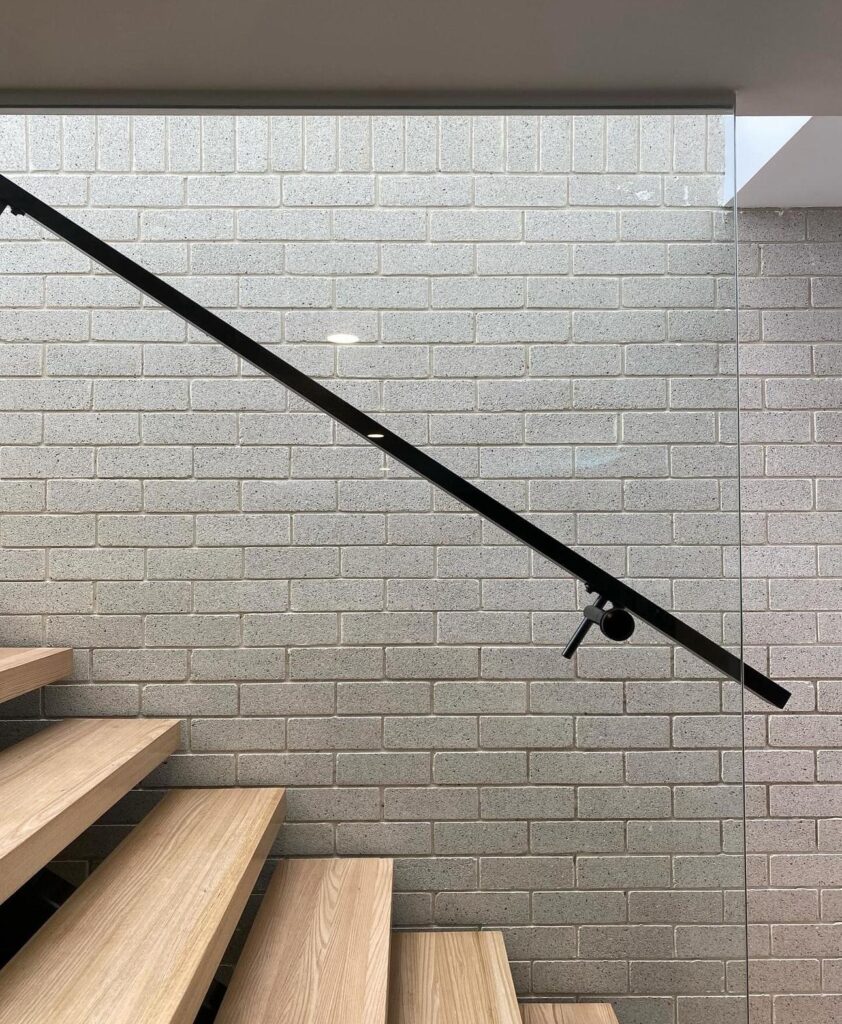
What is Tempered Glass?
Tempered glass is regular glass that has been heated and cooled in a special way. This process is called tempering. The glass is heated to about 620 degrees Celsius (1148 degrees Fahrenheit) and then quickly cooled with air.
This rapid cooling creates tension on the outside and compression on the inside. Think of it like a tightly wound spring. This internal stress is what gives tempered glass its incredible strength.
The result? Glass that can handle much more pressure, impact, and temperature changes than standard glass.
How Strong is Tempered Glass Compared to Regular Glass?
Tempered glass is about 4 to 5 times stronger than regular glass of the same thickness. That’s a huge difference.
Regular annealed glass can handle about 6,000 PSI (pounds per square inch) of pressure. Tempered glass can handle around 24,000 PSI. That’s four times the strength.
But strength isn’t just about pressure. Tempered glass also handles impacts better. Drop something on regular glass, and it will likely crack or shatter. The same impact on tempered glass might not leave a scratch.
Tempered Glass Strength in Numbers
Let’s look at the actual numbers that show how strong tempered glass is.
Tensile strength: Tempered glass has a surface compression of at least 10,000 PSI. Some high-quality tempered glass reaches 24,000 PSI or more.
Impact resistance: It can withstand impacts that would easily break regular glass. A tempered glass panel can handle a steel ball dropped from several feet without breaking.
Temperature tolerance: Tempered glass can handle temperature changes up to 250 degrees Celsius (482 degrees Fahrenheit). Regular glass cracks at much smaller temperature swings.
Bending strength: It can bend slightly under pressure without breaking. This flexibility helps it absorb impacts instead of shattering immediately.
Why is Tempered Glass So Strong?
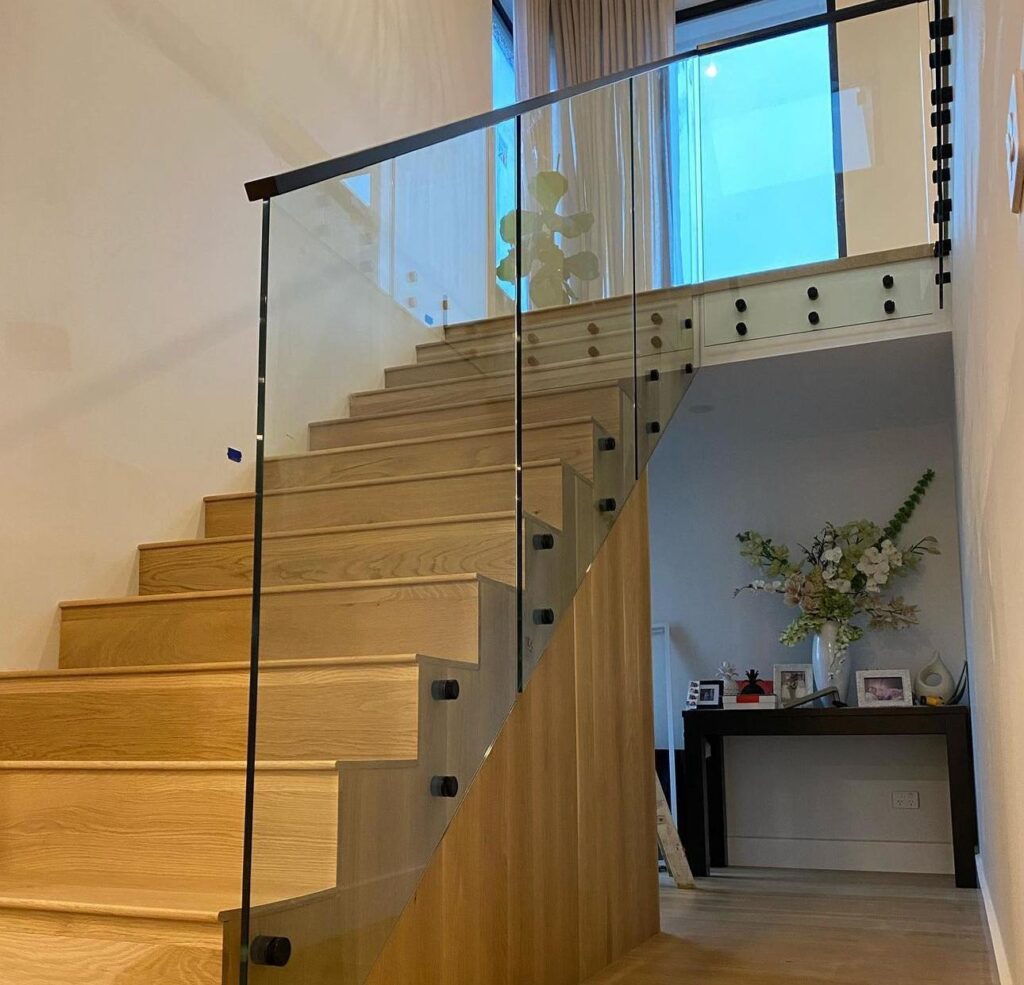
The secret is in the manufacturing process. When glass is heated and then rapidly cooled, something interesting happens inside.
The outer surfaces cool faster than the inside. This creates a layer of compression on the outside and tension on the inside. The compressed outer layer acts like armor. Any force hitting the glass has to overcome this compression first.
It’s similar to how a arch bridge works. The compression holds everything together and makes the whole structure stronger than its individual parts.
Can Tempered Glass Break?
Yes, tempered glass can break. No glass is unbreakable. But there are two important things to know about how tempered glass breaks.
First, it takes much more force to break it. Impacts that would shatter regular glass often bounce off tempered glass. You need a strong, focused blow to break through.
Second, when it does break, it’s safer. Tempered glass shatters into small, rounded pieces instead of sharp shards. These small pieces are much less likely to cause serious cuts. This is why it’s called safety glass.
The edges are the weakest point. A direct hit to the edge of tempered glass is more likely to cause it to break than a hit to the center.
What Can Break Tempered Glass?
Even though tempered glass is strong, certain things can break it.
Sharp, hard impacts: A pointed metal object or a hard ceramic piece can break tempered glass. The concentrated force at a small point can overcome the compression layer.
Edge damage: Chips or cracks on the edges weaken the entire panel. Even a small nick can eventually cause the whole piece to shatter.
Extreme temperature changes: While tempered glass handles heat well, sudden extreme changes can cause it to break. Pouring boiling water on frozen glass, for example, could crack it.
Manufacturing defects: Tiny nickel sulfide inclusions can sometimes cause spontaneous breakage. This is rare but possible with lower quality glass.
Where is Tempered Glass Used?
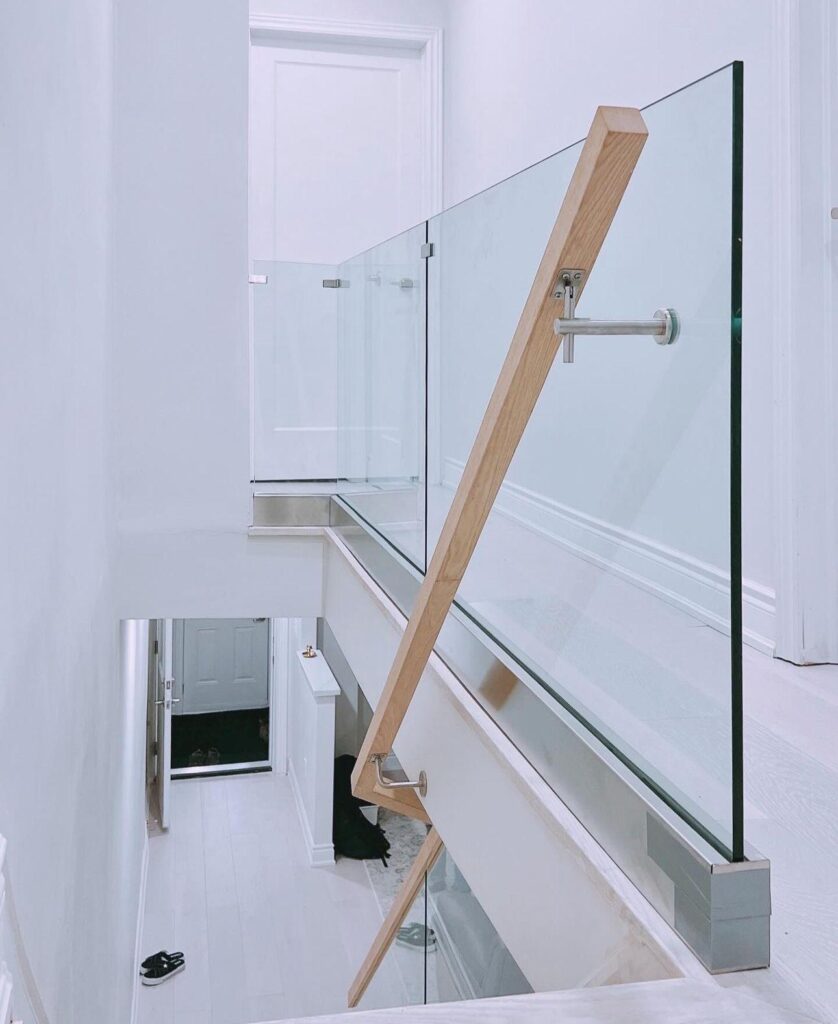
Because of how strong tempered glass is, you’ll find it in many places where safety matters.
Car windows: Side and rear windows in cars use tempered glass. It protects passengers and breaks safely in accidents.
Shower doors and enclosures: Building codes require tempered glass in bathrooms. It prevents serious injuries if someone slips and falls into the glass.
Glass railings and balustrades: Decks, balconies, and staircases use tempered glass panels. They provide safety barriers while keeping views clear.
Phone screen protectors: Many screen protectors use thin tempered glass. It absorbs impacts that would otherwise crack your phone screen.
Oven doors: The heat resistance of tempered glass makes it perfect for oven doors. It handles high temperatures without cracking.
Glass tables and furniture: Coffee tables, dining tables, and shelves often use tempered glass for safety and durability.
Tips for Keeping Tempered Glass Strong
Want your tempered glass to last? Follow these simple tips.
- Protect the edges. The edges are the weak point. Avoid hitting or bumping the edges of glass panels. Use edge protectors during transport and installation.
- Clean carefully. Use soft clothes and mild cleaners. Avoid abrasive scrubbers that could scratch the surface and weaken it over time.
- Check for damage regularly. Look for chips, cracks, or scratches. Small damage can grow into big problems. Replace damaged panels before they fail.
- Buy quality glass. Not all tempered glass is equal. Choose reputable suppliers who follow proper manufacturing standards.
At Glass Railing Seattle, we use only premium tempered glass in all our railing systems. Our glass meets the highest safety standards and provides lasting strength for your home. Contact us for more information about our tempered glass products.