
Planning to install glass railings in Seattle? The Seattle glass railing code is essential before starting your project. Learn everything, guardrail height requirements, glass specifications, permit processes and SDCI inspections.
Seattle operates under Washington State amendments to the International Building Code (IBC) and International Residential Code (IRC), with additional local variations that exceed national standards. These enhanced requirements stem from the region’s unique environmental challenges, including frequent rainfall, seismic activity, and steep topography that create additional safety considerations for glass guardrails and handrails.
Table of Contents
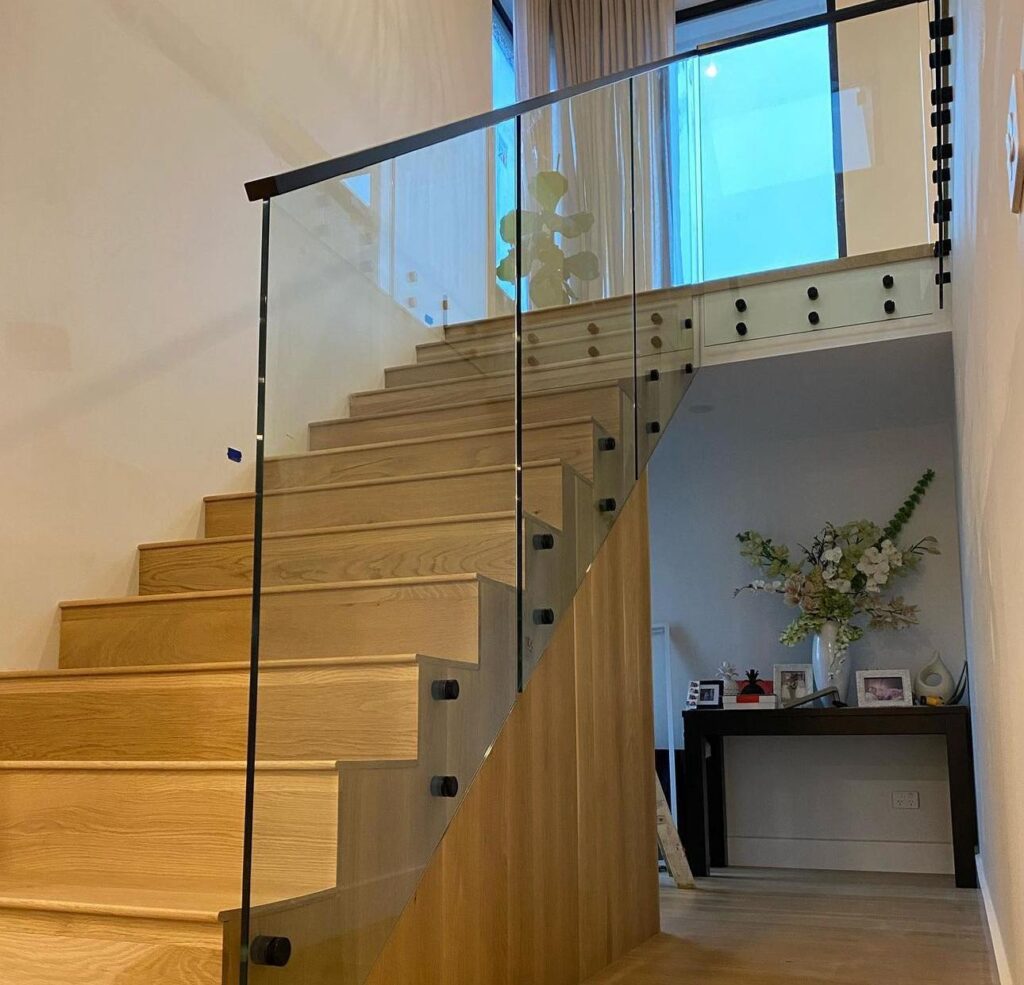
Guardrail Height Requirements in Seattle
Maple Valley, Seattle, Newcastle follow Washington State building codes that mandate specific minimum heights for glass guardrails based on the building type and application. Getting the height measurement correct is critical during inspections, as even minor deviations can result in code violations and project delays.
• Residential properties: Minimum 36-inch guardrail height for decks positioned more than 30 inches above the adjacent walking surface
• Commercial buildings: Minimum 42-inch guardrail height consistent with International Building Code standards
• Multi-family buildings: Minimum 42-inch guardrail height required throughout common areas and individual units
• Handrails on stairs: Must be 34 to 38 inches above the nosing of treads and landings
Height measurements are taken vertically from the deck surface or walking surface to the top of the rail. Decks that exceed 30 inches above grade must incorporate these height requirements, while decks at or below this threshold may not require guardrails under Seattle’s local building codes.
Glass Specifications Under Seattle Building Code Section 2407
Seattle Building Code sections 1015.2.1 and 2407 contain special requirements for glass guardrails that go beyond standard railing regulations. These provisions ensure that glass panels used in safety applications can withstand impact loads and break safely if damaged.
Approved Glass Types for Guardrails
• Laminated glass: Must be constructed of fully tempered or heat-strengthened glass
• Safety standards compliance: Glass must comply with Category II of CPSC 16 CFR Part 1201 or Class A of ANSI Z97.1
• Minimum thickness: All glazing types require a minimum nominal thickness of 1/4 inch (6.4 mm)
• Infill panels: Glazing in railing infill panels must be approved safety glazing material conforming to Section 2406.1.1
Structural Load Requirements
Seattle requires guardrails to withstand specific load tests to ensure they can resist sudden impact or crowd forces during normal use or emergency situations:
• Concentrated load: 200 pounds applied horizontally at any point along the top rail
• Linear load: 50 pounds per linear foot applied to the top rail
• Safety factor: Glass used in handrails and guards must be designed using a safety factor of 4
Top Rail and Support Requirements
Under Seattle Building Code Section 2407.1.2, guards with structural glass balusters must be installed with an attached top rail or handrail. The top rail must be supported by not fewer than three glass balusters and designed to remain in place should one glass baluster fail.
Exception: An attached top rail is not required where the glass baluster panels are laminated glass with two or more glass plies of equal thickness and the same glass type. These panels must be tested to remain in place as a barrier following impact or glass breakage in accordance with ASTM E2353.
Opening and Spacing Requirements
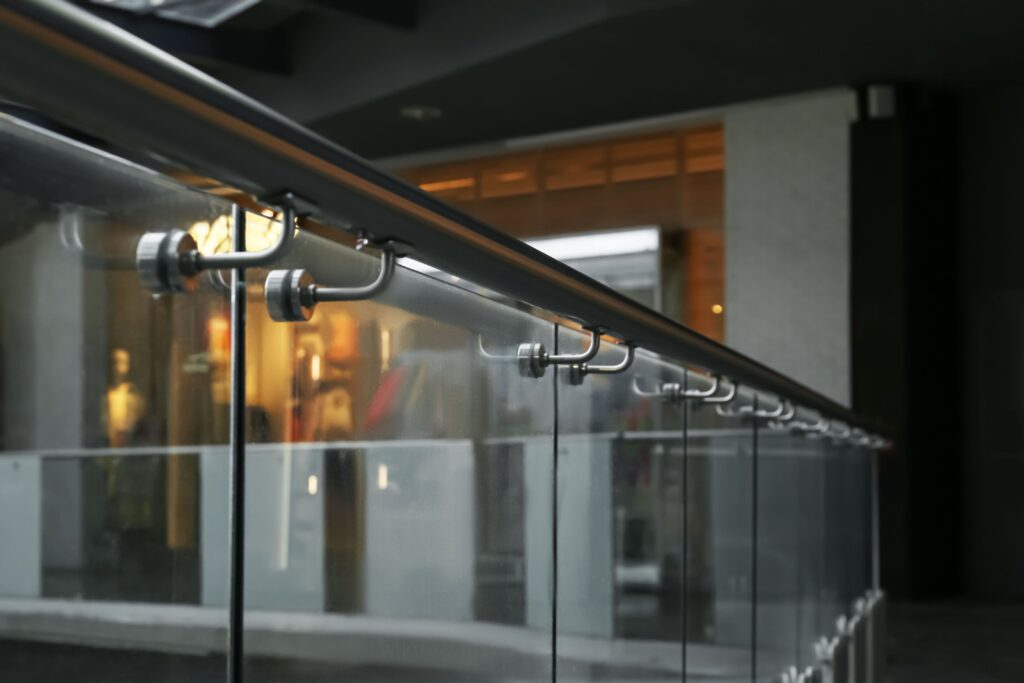
Seattle’s glass railing code follows the 4-inch sphere rule to protect children and pets from falling through openings. All railing systems, including glass panels with frames, must maintain openings that do not allow a 4-inch diameter sphere to pass through. This applies to the spaces between balusters, under the bottom rail, and any gaps in the framing system.
Frameless glass panel systems inherently meet this requirement since the solid glass provides a continuous barrier. However, framed systems must carefully position their components to maintain the 4-inch maximum opening throughout the installation.
Seattle Permit Requirements for Glass Railings
Seattle’s permitting rules are stricter than Washington State requirements. Any deck over 18 inches high requires a building permit, even if a guardrail is not yet required under the 30-inch threshold. This applies to both new construction and railing replacement projects.
| Project Type | Permit Required |
| Deck under 18 inches | No permit needed |
| Deck 18+ inches above grade | STFI permit required |
| Glass guardrail installation | Permit + possible engineer review |
| Commercial/multi-family | Full building permit required |
When You Need a Structural Engineer
According to SDCI Tip 312, you may need to have a structural engineer design your glass guardrail. This requirement typically applies to custom designs, unusual mounting conditions, or installations that exceed standard specifications. Working with a licensed engineer ensures your glass railing system meets all structural load requirements under Section 1607.9.
SDCI Inspection Process for Glass Railings
After your building permit is issued, SDCI inspects your work to ensure compliance with approved plans and applicable building codes. As a permit holder, you are responsible for requesting each inspection at the appropriate construction milestone.
• Foundation inspection: Before placing concrete for post footings
• Framing inspection: Before covering structural elements
• Final inspection: After all construction is complete and related permits have passed
• Special inspections: May be required for complex glass railing installations
Common Code Violations to Avoid
Understanding frequent inspection failures helps you avoid costly corrections and delays:
• Insufficient guard height (even minor deviations fail)
• Excessive opening spacing exceeding 4 inches
• Use of non-approved glass types or thicknesses
• Improper post anchoring or mounting
• Missing safety glazing identification labels
Seattle Glass Railing Permit Costs and Timeline
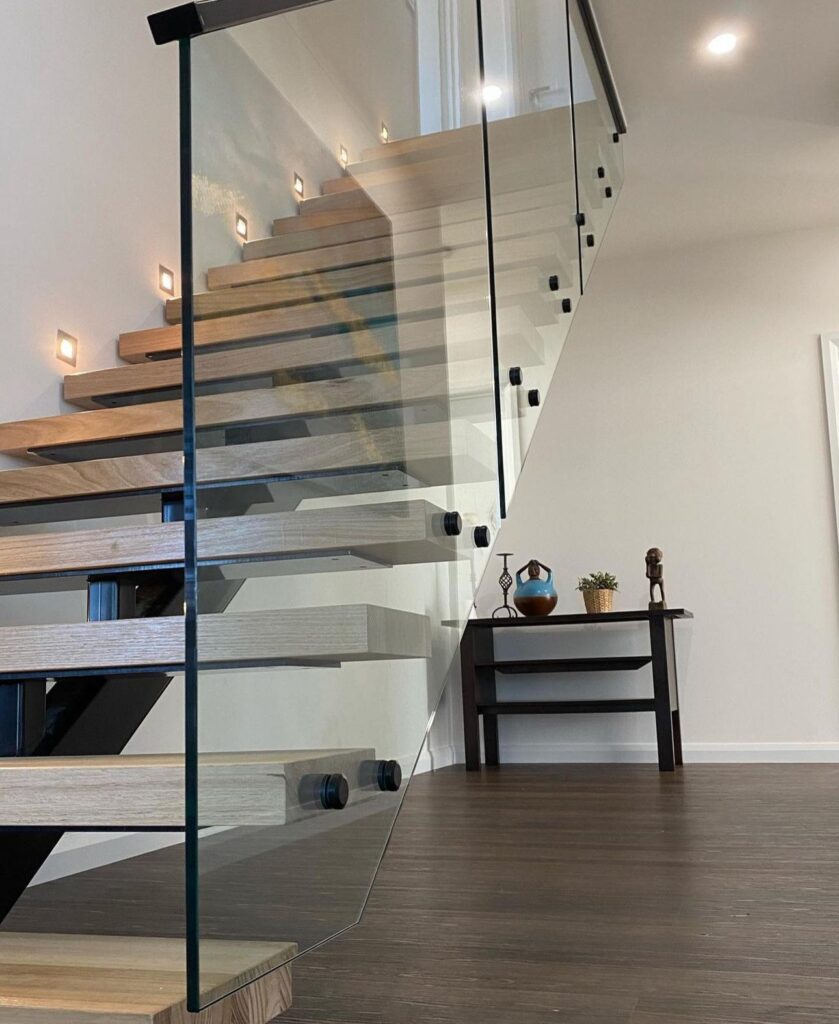
Permit fees in Seattle are based on project valuation, type of work, and scope of review. For most deck and railing projects, you can obtain a Subject-to-Field-Inspection (STFI) permit, which offers faster processing than standard building permits.
• STFI permit fees: Based on construction valuation, typically $200-$500 for residential projects
• Plan review fees: 40% of standard review fee for STFI permits
• Processing time: STFI permits can be issued within 48 hours of application
• Permit validity: 18 months from date of issuance, with possible 12-month extension
Tips for Ensuring Glass Railing Code Compliance
• Work with certified installers: Professional installation ensures proper mounting and load capacity
• Verify glass certifications: Ensure all panels have proper safety glazing identification marks
• Document everything: Keep manufacturer specifications, structural calculations, and material certifications
• Schedule SDCI coaching: Free 20-minute video sessions are available to answer permit questions
• Contact SDCI directly for specific code interpretation questions
Conclusion
Navigating Seattle’s glass railing code requires attention to detail and thorough documentation. The combination of Washington State building codes and local SDCI requirements creates one of the more stringent regulatory environments in the nation. However, these standards exist to protect homeowners and building occupants in Seattle’s challenging marine climate and seismic zone.
By understanding the height requirements, glass specifications, and permit processes outlined in this guide, you can approach your glass railing project with confidence. Always consult SDCI Tip 312 and Seattle Building Code sections 1015.2.1 and 2407 for the most current requirements.
Don’t hesitate to Contact with Glass Railing Seattle for complex installations.
Remember that proper compliance not only ensures your project passes inspection but also protects the safety of everyone who uses your glass railing system for years to come.