
Glass balcony railing systems have become essential design elements in modern commercial buildings. From Seattle office towers to Bellevue retail centers, glass railing delivers the perfect combination of safety, aesthetics, and functionality. Property managers and architects increasingly choose balcony glass railing to create open, inviting spaces that impress tenants and visitors alike.
This comprehensive guide explores the top ten glass balcony railing systems available for commercial applications, helping you select the ideal exterior glass railing system for your next project.
Table of Contents
1. Frameless Base Shoe Glass Railing Systems
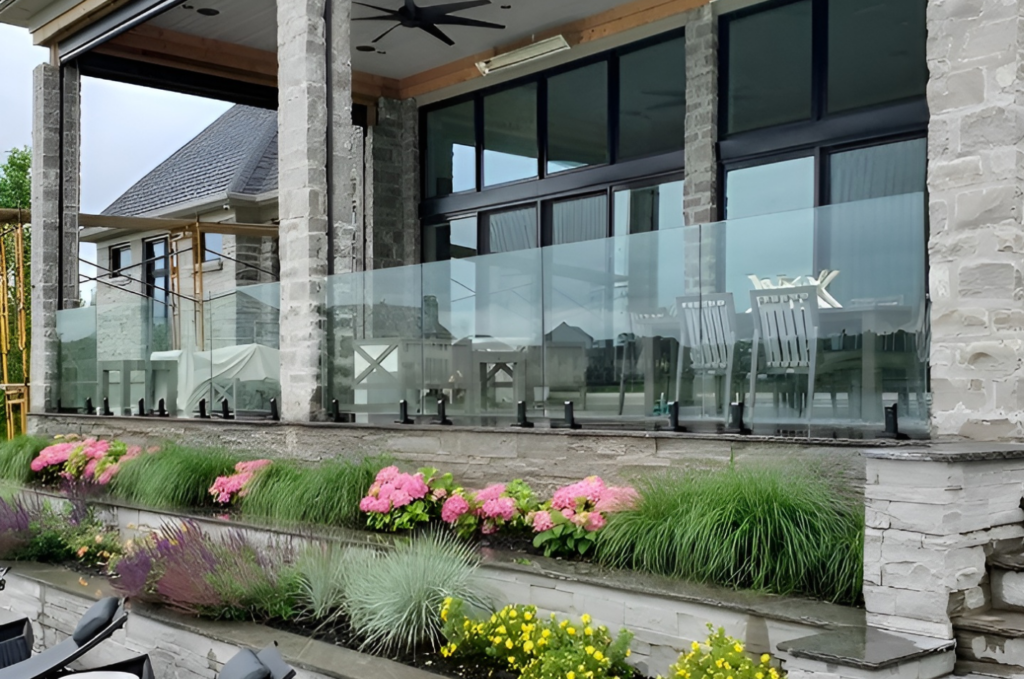
Frameless base shoe systems represent the pinnacle of glass balcony railing design. These systems secure laminated glass panels in continuous aluminum channels, creating seamless barriers that maximize transparency. Commercial buildings throughout Kirkland and Redmond feature base shoe glass railing in atriums, mezzanines, and exterior balconies where unobstructed views matter most. The sleek, minimalist appearance appeals to modern architectural styles.
Glass balcony railing cost in Beaux Arts Village for base shoe systems reflects their premium aesthetics, but the investment delivers lasting value through durability and minimal maintenance requirements.
2. Spigot-Mounted Glass Railing Systems
Spigot systems use individual stainless steel clamps to support glass panels from below. This mounting method creates a floating appearance that appeals to contemporary commercial design. Hotels, restaurants, and office buildings near waterfront areas like Edmonds benefit from marine-grade spigot hardware that resists corrosion in coastal environments. The adjustable nature of spigots allows for precise panel alignment during installation.
3. Post-Supported Glass Railing Systems
Post-supported glass railing remains the most common choice for commercial balcony glass railing applications. Vertical posts secure glass panels at regular intervals, providing robust structural support for high-traffic areas. This exterior glass railing system works well for terraces, patios, and outdoor dining spaces where both aesthetics and durability matter. Posts can be customized in various finishes to match building aesthetics.
4. Standoff Pin Glass Railing Systems
Standoff systems mount glass panels using round metal discs that attach directly to walls or fascia boards. The result is a dramatic floating effect popular in upscale commercial environments. Glass balcony railing ideas featuring standoffs appear throughout Kirkland luxury developments, creating architectural statements that elevate property appeal. This mounting style works particularly well for interior atriums and monumental stairways.
5. Semi-Frameless Glass Railing Systems
Semi-frameless systems balance visual openness with structural support by including top and bottom rails while eliminating vertical stiles between panels. This glass railing configuration suits commercial buildings seeking modern aesthetics without the premium cost of fully frameless installations. Many residential glass railing systems also utilize this versatile approach that works well for both interior and exterior applications.

6. Aluminum-Framed Glass Railing Systems
Aluminum-framed glass balcony railing provides excellent value for budget-conscious commercial projects. The powder-coated frames resist corrosion while offering customizable color options that match building aesthetics. This exterior glass railing system type handles high wind loads effectively, making it popular for high-rise applications in Maple Valley downtown core. Eight or more powder coat finish options are typically available to match any design scheme.
7. Stainless Steel Glass Railing Systems
Stainless steel hardware combined with tempered glass creates glass railing systems that withstand demanding commercial environments. Grade 316 stainless steel offers superior corrosion resistance for exterior applications. Glass balcony railing for stairs in commercial buildings often features stainless steel components for their strength and timeless appearance. The material pairs beautifully with both contemporary and traditional architectural styles.
8. Windscreen Glass Railing Systems
Windscreen systems extend beyond standard railing heights to provide wind protection on rooftop terraces and elevated commercial spaces. These exterior glass railing system installations can reach 72 inches or higher, creating comfortable outdoor areas even in windy conditions. Hunts Point commercial properties use windscreen glass railing to maximize usable outdoor space year-round. Steel stanchion inserts provide enhanced structural properties for these taller installations.
9. Clamp-Mounted Glass Railing Systems
Clamp systems secure glass panels using adjustable metal brackets that grip panel edges. This mounting approach offers flexibility during installation and easy panel replacement when needed. Commercial buildings appreciate glass balcony railing near high-traffic areas where maintenance accessibility matters. The adjustable design also accommodates slight variations in panel dimensions.
10. Custom Engineered Glass Railing Systems
Custom-engineered systems address unique architectural challenges in commercial buildings. These glass railing installations incorporate site-specific engineering to meet precise wind load requirements, floor elevations, and building code specifications. Curved balcony glass railing, unusual angles, and specialized mounting conditions all benefit from custom engineering solutions. Professional engineers review and approve designs for complex installations.
Commercial Building Code Requirements
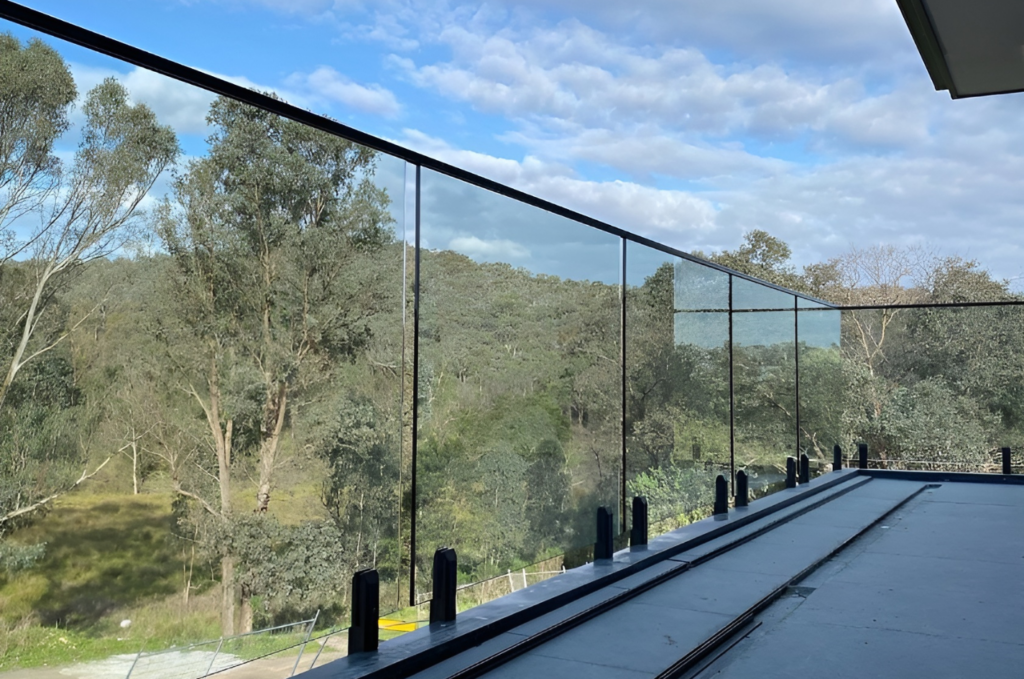
Commercial glass balcony railing must meet International Building Code (IBC) requirements. Minimum height specifications typically require 42 inches for commercial applications compared to 36 inches for residential. Glass panels must withstand specified load requirements including 200-pound concentrated loads, and tempered or laminated safety glass is mandatory. Understanding these requirements early in design helps avoid costly modifications later.
Glass Balcony Railing Cost
Glass balcony railing cost varies significantly based on system type, glass specifications, and installation complexity. Frameless systems command premium pricing due to thicker laminated glass requirements and precision hardware. Post-supported and aluminum-framed options offer more economical alternatives while still delivering the modern aesthetics commercial properties desire. Request detailed quotes from multiple vendors to compare options accurately.
Beyond initial investment, consider long-term value when evaluating glass balcony railing cost. Glass railing requires minimal maintenance, resists weathering, and maintains appearance for decades without painting or staining. These factors make residential glass railing systems and commercial installations cost-effective over their lifespan, delivering excellent return on investment.
Glass Options for Commercial Applications
Commercial glass balcony railing ideas extend beyond clear glass. Tinted panels in bronze, grey, or blue reduce glare while adding subtle color. Frosted glass provides privacy for office terraces and hotel balconies. Patterned glass creates visual interest while meeting safety requirements. Etched logos and custom designs allow branding opportunities. These glass balcony railing ideas help commercial buildings achieve distinctive aesthetics that set them apart.
Choosing the Right System
Selecting the ideal glass balcony railing system depends on your building’s architectural style, budget, and performance requirements. Consider traffic patterns, wind exposure, and maintenance accessibility when evaluating options.
Glass Railing Seattle Professional guidance ensures you choose an exterior glass railing system that meets building codes while enhancing your property’s appeal for years to come.
Contact Glass Railing Seattle for your glass balcony railing installation.