
A rooftop glass railing is the smartest way to combine safety, style, and wind resistance on any elevated outdoor space. On high-rise balconies, rooftop terraces, and penthouse decks, strong winds create uplift pressure and turbulence that traditional railings simply cannot handle. A properly engineered glass railing system protects occupants, preserves panoramic views, and stands up to the toughest weather conditions, all while adding lasting value to the property.
In this blog, we’ll explore why rooftop glass railing is essential for wind-resistant elevated spaces, what materials and designs perform best, and which glass railing styles work for modern balconies, rooftops, and staircases. Whether you’re a homeowner, architect, or developer, this guide will help you choose the right system for your elevated project.
Table of Contents
Why Rooftop Glass Railing Is Essential for Wind-Resistant Elevated Spaces
A rooftop glass railing plays a critical role in safety and comfort on elevated outdoor spaces. On buildings three stories and higher, wind speeds can be two to three times stronger than at ground level, creating pressure that pushes against every railing surface. Unlike metal or wooden railings, glass railings deflect wind cleanly while maintaining full transparency, so homeowners enjoy panoramic views without sacrificing wind protection. Modern glass railings are engineered as structural windbreaks, not just decorative barriers.
Beyond safety, rooftop glass railings boost curb appeal and real estate value. They create clean sightlines, make outdoor spaces feel larger, and let natural light flow freely across decks and balconies. Properties across Seattle especially benefit from glass railings designed to handle Pacific Northwest weather, from coastal gusts to rainy winters.
Key Benefits of Rooftop Glass Railing
Rooftop glass railings deliver advantages that traditional railings cannot match. They provide unobstructed panoramic views from elevated decks while acting as an effective windbreak. Their sleek, frameless appearance complements modern architecture, and their structural resilience meets the strictest building codes for elevated spaces. Glass railings also require far less maintenance than wood or wrought iron, making them cost-effective over the long term.
Where Glass Railings Perform Best
Glass railings excel on rooftop terraces, high-rise balconies, pool decks, and staircases. Homeowners in Bellevue often install them on penthouse terraces, where wind resistance and panoramic views are equally important. On staircases, both interior and exterior, frameless tempered glass railing systems create an elegant, modern aesthetic while keeping the space safe and accessible.
Understanding Wind-Resistant Glass Railing Systems
A wind-resistant glass railing is engineered to withstand lateral wind pressure, uplift forces, and the constant vibration that elevated outdoor spaces face. The most important performance factors include glass thickness, glass type, anchoring method, and frame design. A proper wind-resistant system combines all of these elements into one cohesive installation, so every gust of wind is safely redirected away from occupants.
For homeowners in Kirkland, where waterfront properties face strong gusts across Lake Washington, choosing the right wind-resistant system is essential. Well-designed rooftop glass railings reduce turbulence across the deck surface, calm outdoor environments, and make elevated spaces truly livable even on breezy days.
Tempered vs. Laminated Glass: Which Is Better?
Two glass types dominate the industry. Tempered glass is heat-treated to be four to five times stronger than standard glass and, when broken, shatters into small pebble-like pieces instead of dangerous shards. Laminated glass bonds two tempered panes with a plastic interlayer, so even if the glass breaks, it stays intact in the frame. For rooftop glass railings, laminated tempered glass is the gold standard, it delivers maximum safety, superior wind resistance, and full building-code compliance for high-rise use.
Frameless vs. Framed Glass Railing
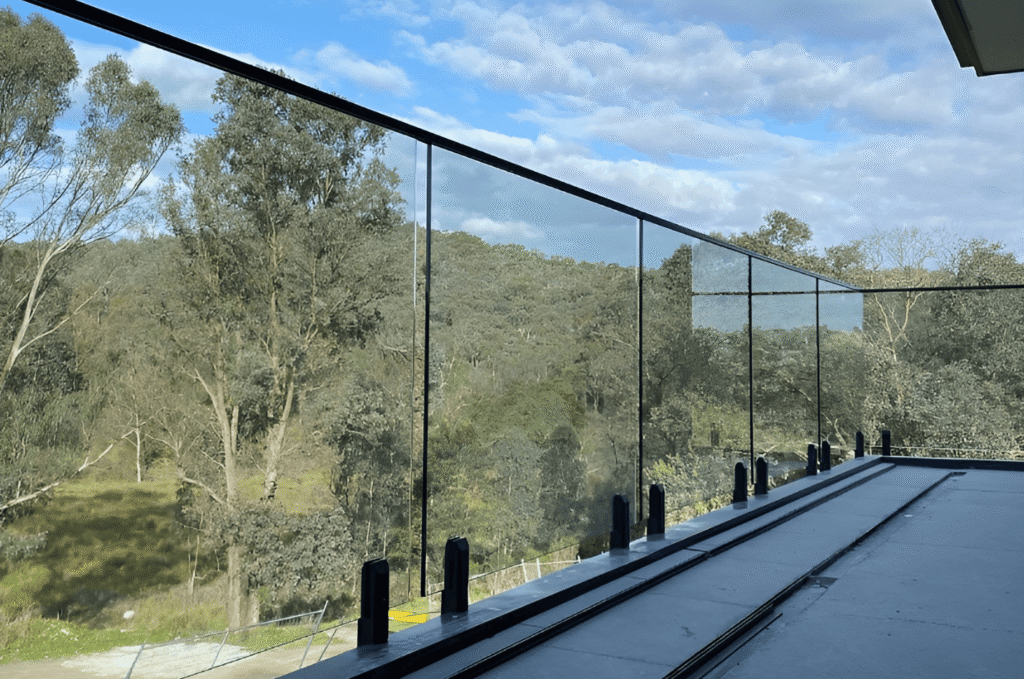
Frameless glass railings offer a seamless, modern look with zero visual obstruction — perfect for rooftops where views are the priority. They use base shoe channels or spigot hardware hidden beneath the deck surface. Framed glass railings feature aluminum or stainless-steel top rails and side posts, providing extra rigidity in extreme wind zones. Both styles can be engineered for wind resistance; the right choice depends on your design vision and the wind exposure of your elevated space.
Types of Glass Railings for Rooftops, Balconies, and Staircases
Rooftop glass railings come in several configurations, each suited to a specific application. Choosing the right system depends on your location, elevation, wind exposure, and desired look. Properties in Redmond often combine multiple styles, frameless systems on rooftop terraces and framed systems on staircases, for example, to create a cohesive design across the entire home.
Most modern installations fall into three main categories: rooftop and balcony railings, staircase glass railings, and pool or deck railings. Each uses the same core materials but with different hardware configurations tailored to the specific use case.
Rooftop and Balcony Glass Railings
Rooftop and balcony glass railings are the most demanding application because of their constant exposure to wind and weather. These systems typically use laminated tempered glass panels between 12mm and 21.5mm thick, anchored into a reinforced base shoe or stainless-steel spigots. Proper anchoring is critical, the railing must transfer wind loads safely into the structural deck below. For properties in Tacoma and other coastal areas, corrosion-resistant stainless-steel hardware is essential for long-term performance.
Staircase Glass Railings (Interior and Exterior)
Staircase glass railings combine safety with stunning visual impact. Exterior staircase railings face weather and wind exposure, so they use tempered or laminated glass with marine-grade hardware. Interior staircase railings, a popular feature in modern homes, create an open, spacious feel and let natural light flow between floors. Both applications typically use standoff hardware or mini base-shoe systems for a clean, minimal appearance that enhances the architecture rather than competing with it.
Materials, Hardware, and Design Features for Maximum Durability
The performance of any rooftop glass railing comes down to the quality of its materials and hardware. Cutting corners on either leads to premature failure, costly repairs, and safety issues. The best installations use certified safety glass paired with premium structural hardware engineered specifically for wind-resistant elevated spaces.
Working with experienced glass railing installation experts ensures that every component is properly specified and installed. From glass selection to hardware anchoring, every detail matters when building a railing system that will last for decades.
Best Materials for Wind-Resistant Glass Railings
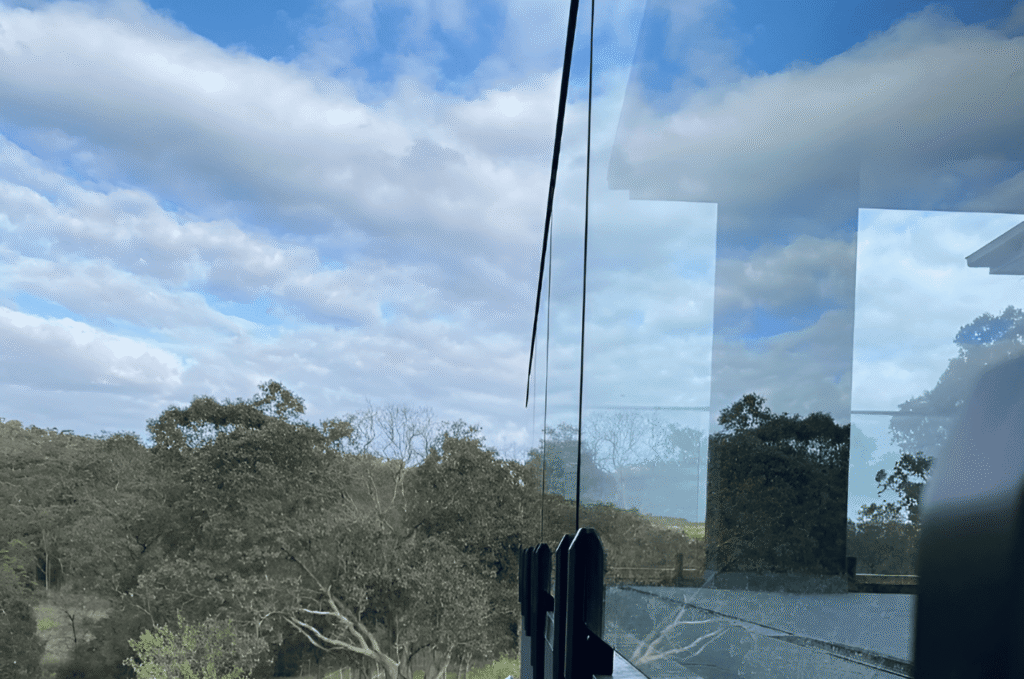
The core materials of a high-performance glass railing include laminated tempered safety glass (12mm–21.5mm thickness depending on exposure), marine-grade stainless steel or powder-coated aluminum hardware, reinforced base shoe channels or heavy-duty spigots, and structural sealants rated for outdoor elevated use. These materials resist corrosion, UV degradation, and the constant stress of wind loading, delivering a railing that looks as good in year 20 as it did on day one.
Anchoring and Structural Integrity
Strong anchoring is what separates a safe railing from a dangerous one. Structural posts or base shoes must be securely fastened into the underlying deck or concrete, with proper fasteners designed for the substrate. Wind loads travel through the glass into the hardware and then into the structure, any weak link in this chain compromises the entire system. Professional installation guarantees that every anchor, fastener, and seal is engineered for the specific wind conditions of your elevated space.
Building Safer Elevated Spaces with Rooftop Glass Railing
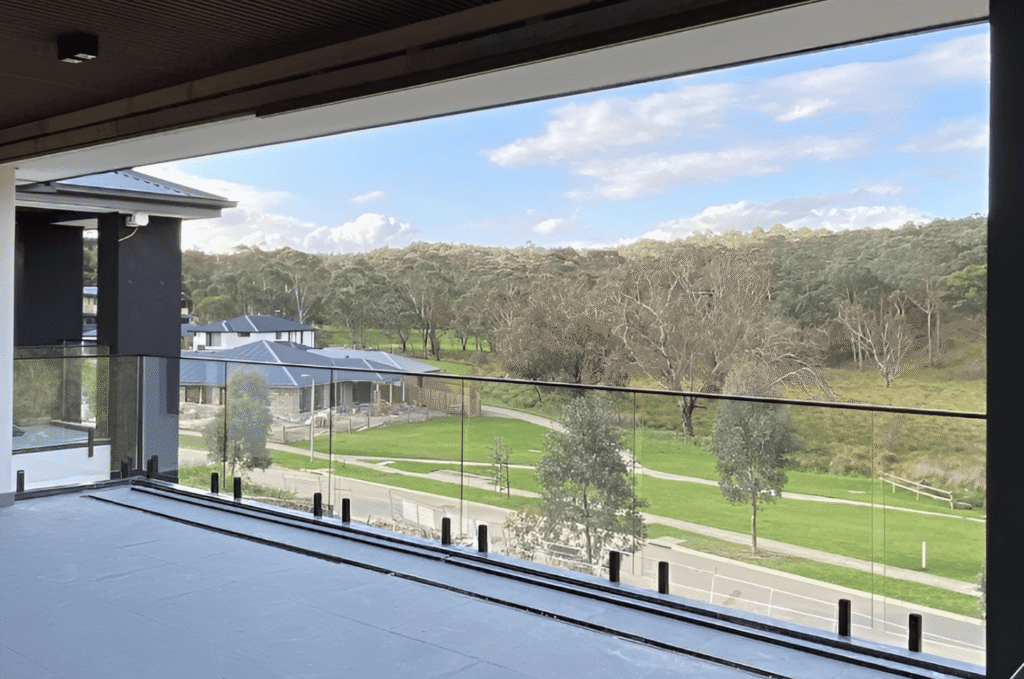
A rooftop glass railing is much more than a design upgrade, it is a core safety feature for any elevated outdoor space. With the right combination of laminated tempered glass, premium hardware, and expert installation, your rooftop, balcony, or staircase becomes a secure, beautiful, and wind-resistant environment that adds long-term value to your property. Whether you’re building a new home, upgrading an existing deck, or designing a commercial rooftop, investing in quality glass railing pays off in safety, aesthetics, and durability.
As modern architecture embraces open, elevated spaces, the demand for high-performance glass railing continues to grow. For inspiration and practical tips, check out more glass railing design ideas that blend wind resistance with modern style.
Ready to Upgrade Your Rooftop or Balcony?
Our team installs premium rooftop glass railings, balcony railings, and staircase railings across the greater Seattle area. Book an appointment today to get a free consultation and custom quote for your elevated space.