
Framed glass railing combines the beauty of transparent panels with the structural support of metal or wood frames. This popular railing style offers enhanced stability, budget-friendly options, and endless design possibilities for both indoor and outdoor applications. Whether you are upgrading a deck, staircase, or balcony, understanding framed glass railing types helps you choose the perfect system for your needs.
This comprehensive guide explores framed glass railing panels, types of frames available, tempered glass deck railing options, and how framed systems compare to frameless glass railing alternatives.
Table of Contents
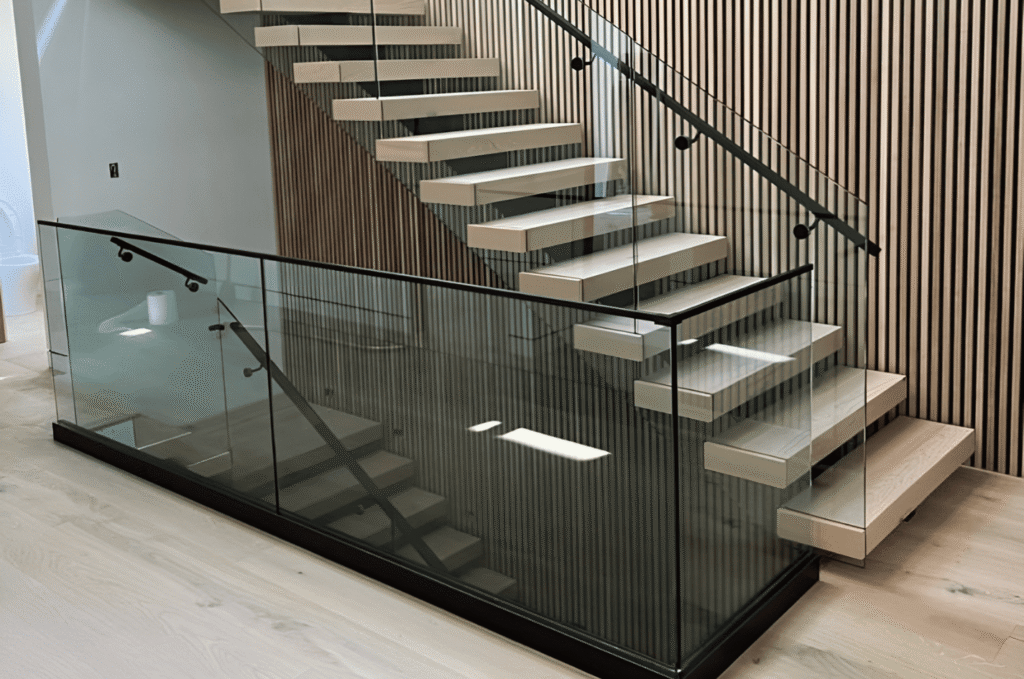
What Is Framed Glass Railing?
Framed glass railing features glass panels securely held within visible frames made from durable materials like stainless steel, aluminum, or wood. The frame structure surrounds each glass panel, providing extra stability and support while creating a polished, finished appearance. This design has proven reliable for decades across residential installations.
Unlike frameless glass railing that relies solely on thick glass panels and minimal hardware, framed glass railing distributes structural stress across the entire frame system. This engineering approach allows for thinner framed glass railing panels in Edmonds while maintaining excellent safety and durability standards.
Framed Glass Railing Types: Understanding Your Options
Several framed glass railing types exist to match different aesthetic preferences and functional requirements. Understanding these options helps you select the right system for your specific project.
Fully Framed Glass Railing Systems
Fully framed systems enclose glass panels completely within top rails, bottom rails, and vertical posts. This framed glass railing type offers maximum structural support and a traditional, refined appearance. The complete frame visibility works well in settings where you want residential modern glass aesthetics combined with visible architectural elements.
Semi-Framed Glass Railing
Semi-framed designs include top and bottom rails but eliminate vertical stiles between panels. This hybrid approach balances the support benefits of framed glass railing with the cleaner sightlines of frameless glass railing. Glass panel railing interior applications often use semi-framed systems to maintain openness while providing adequate structural support.
Post-and-Panel Systems
These framed glass railing types mount framed glass railing panels between vertical posts with minimal visible hardware. The posts support the glass at intervals while allowing maximum transparency between mounting points. This design works exceptionally well for Woodinville’s tempered glass deck railing installations where view preservation matters most.
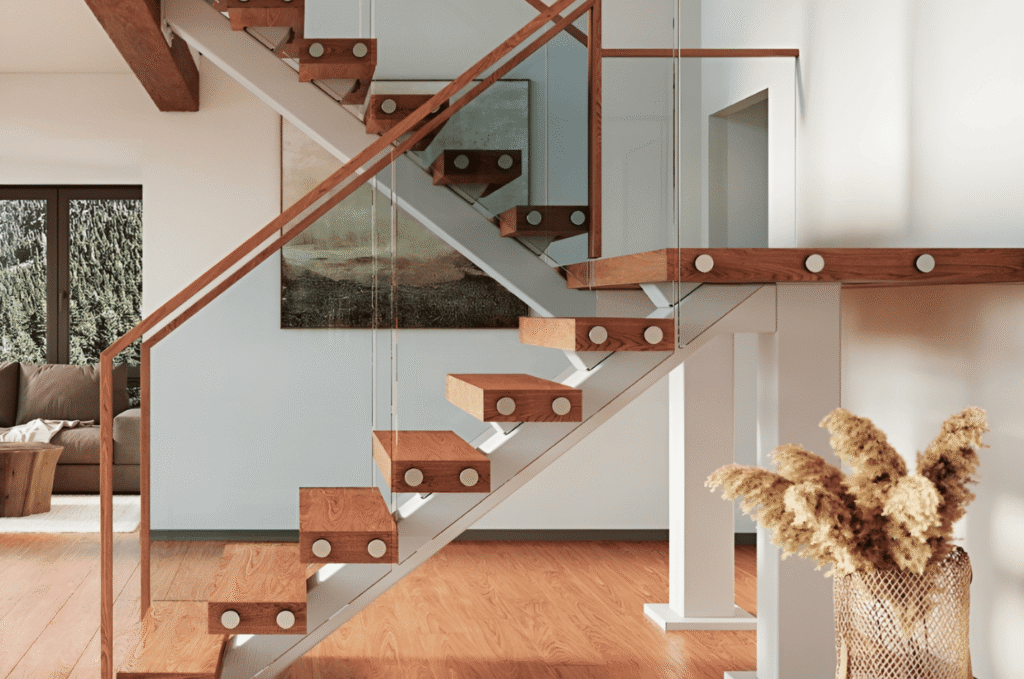
Types of Frames: Material Options for Glass Railing
The frame material significantly impacts appearance, durability, maintenance requirements, and cost. Each option offers distinct advantages for different applications.
Stainless Steel Frames
Stainless steel remains the most popular choice for types of frames in framed glass railing. Grade 316 stainless steel offers exceptional corrosion resistance, making it ideal for outdoor tempered glass deck railing and coastal installations. The material requires minimal maintenance and provides a sleek, modern appearance that complements contemporary architecture.
Aluminum Frames
Aluminum frames offer lightweight durability at competitive prices. Powder-coated aluminum comes in numerous colors, allowing customization to match any design scheme. This frame material resists corrosion well and works for both indoor and outdoor framed glass railing installation projects. Many homeowners choose aluminum for tempered glass deck railing due to its excellent value.
Wood Frames
Wood frames add natural warmth that metal cannot replicate. Cedar, oak, and other hardwoods create beautiful contrast with transparent glass panels. Wood-framed systems in Mercer Island suit glass panel railing interior applications particularly well, adding character to staircases and loft areas. However, wood requires more maintenance than metal options and performs better in protected indoor environments.
Framed Glass Railing Panels: Glass Options Explained
The glass within framed glass railing panels determines safety, appearance, and functionality. Quality framed glass railing installation always uses safety-rated glass that meets building code requirements.
Tempered Glass Deck Railing
Tempered glass is heat-treated to become four to five times stronger than standard glass. This process also changes how glass breaks, creating small, blunt pieces rather than dangerous shards if damage occurs. Most framed glass railing panels use tempered glass because it meets safety codes while remaining cost-effective. Tempered glass deck railing withstands weather exposure, temperature changes, and everyday impacts without compromising structural integrity.
Laminated Glass Panels
Laminated glass bonds two glass layers with a plastic interlayer that holds pieces together if breakage occurs. This enhanced safety feature makes laminated framed glass railing panels ideal for elevated applications or commercial installations requiring extra protection. The interlayer also provides additional sound dampening and UV filtering benefits.
Clear, Frosted, and Tinted Options
Beyond safety considerations, framed glass railing panels come in various finishes. Clear glass maximizes transparency and light transmission. Frosted glass provides privacy while still allowing light through. Tinted options in bronze, grey, or blue add color while reducing glare. These choices let you customize glass panel railing interior and exterior installations to match your design vision.
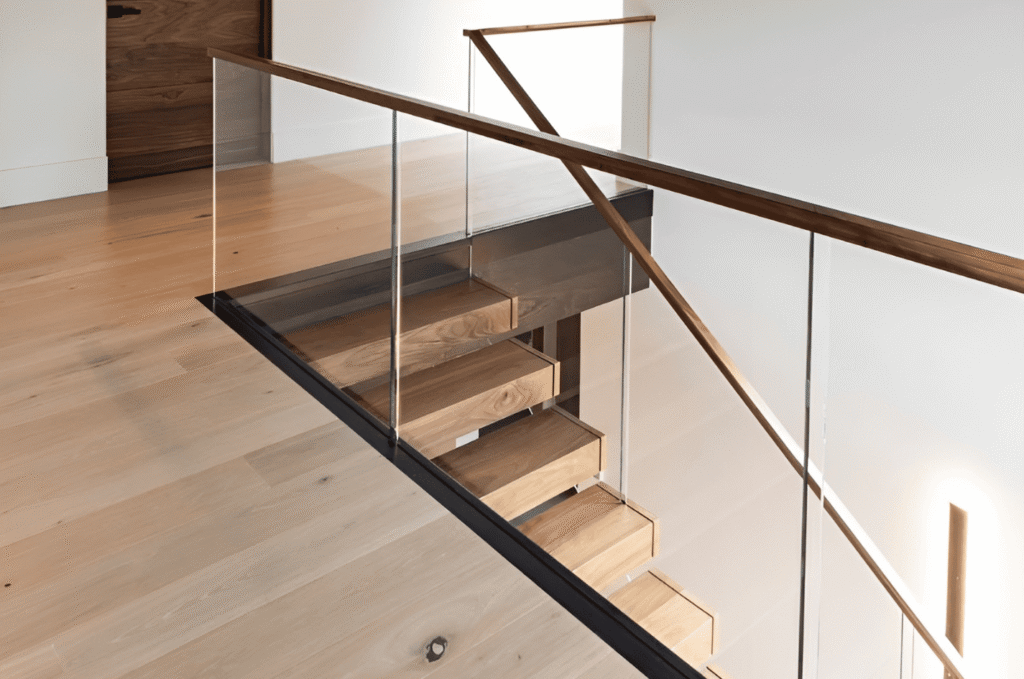
Framed vs Frameless Glass Railing: Making the Right Choice
Understanding differences between framed glass railing and frameless glass railing helps you select the best option for your project.
Framed glass railing typically costs less because the frame structure allows thinner glass panels. The visible frame provides perceived security that some homeowners prefer, especially those with children or in high-traffic areas. Framed glass railing installation often proceeds faster than frameless systems due to simpler alignment requirements and more forgiving tolerances.
Frameless glass railing offers unobstructed views and minimalist aesthetics but requires thicker glass panels and more precise installation. This style commands premium pricing due to specialized hardware and labor requirements. Both options meet safety standards when properly installed with quality materials.
Popular Applications for Framed Glass Railing
Framed glass railing adapts beautifully to numerous residential and commercial settings. Balconies and terraces benefit from unobstructed views while maintaining safety with sturdy frame support. Staircases transform into architectural features with glass panel railing interior installations. Pool areas use tempered glass deck railing to combine visibility with weather resistance. Commercial buildings choose framed glass railing types for lobbies, restaurants, and retail spaces where durability meets design.
Framed Glass Railing Installation Considerations
Glass Railing Seattle professional installation ensures your system meets local building requirements while achieving optimal appearance and lasting performance throughout years of use.
Key installation factors include verifying adequate mounting surface strength, ensuring correct railing heights for your application, and selecting appropriate hardware for indoor or outdoor use. Tempered glass deck railing installations require weather-resistant hardware and proper drainage considerations to prevent moisture damage around frame connections.
Maintenance Requirements
Framed glass railing requires regular cleaning to maintain appearance. Glass panels clean easily with standard glass cleaner and soft cloths. Frame maintenance varies by material. Stainless steel needs occasional wiping, while aluminum requires minimal care. Wood frames need periodic inspection and refinishing to prevent weather damage. Regular hardware checks ensure connections remain secure over time.
Contact experienced glass railing professionals to discuss your next framed glass railing project.