
Choosing between frameless and framed glass railings can feel overwhelming. Both options look great and provide safety for your deck, balcony, or staircase. But they have important differences that affect your budget, maintenance routine, and overall look.
If you’re trying to decide which glass railing is better for your home, you’re in the right place. This guide breaks down everything you need to know about frameless vs framed glass railing. We’ll compare costs, looks, safety, installation, and more. By the end, you’ll know exactly which option fits your needs.
Table of Contents
Key Differences at a Glance
Before we dive deep, here’s a quick comparison table showing the main differences between frameless and framed glass railings.
| Feature | Frameless | Framed |
| Appearance | Minimal, modern, invisible | Structured, traditional, defined |
| Glass Thickness | Thicker (12mm-19mm) | Thinner (8mm-12mm) |
| Installation | Complex, professional required | Easier, some DIY possible |
| Maintenance | Easier cleaning, fewer parts | More parts to clean and maintain |
| Durability | Very strong, thicker glass | Strong, frame adds support |
| Best For | Views, modern homes, luxury look | Budget-friendly, traditional homes |
Now let’s explore each aspect in detail.
What is Frameless Glass Railing?
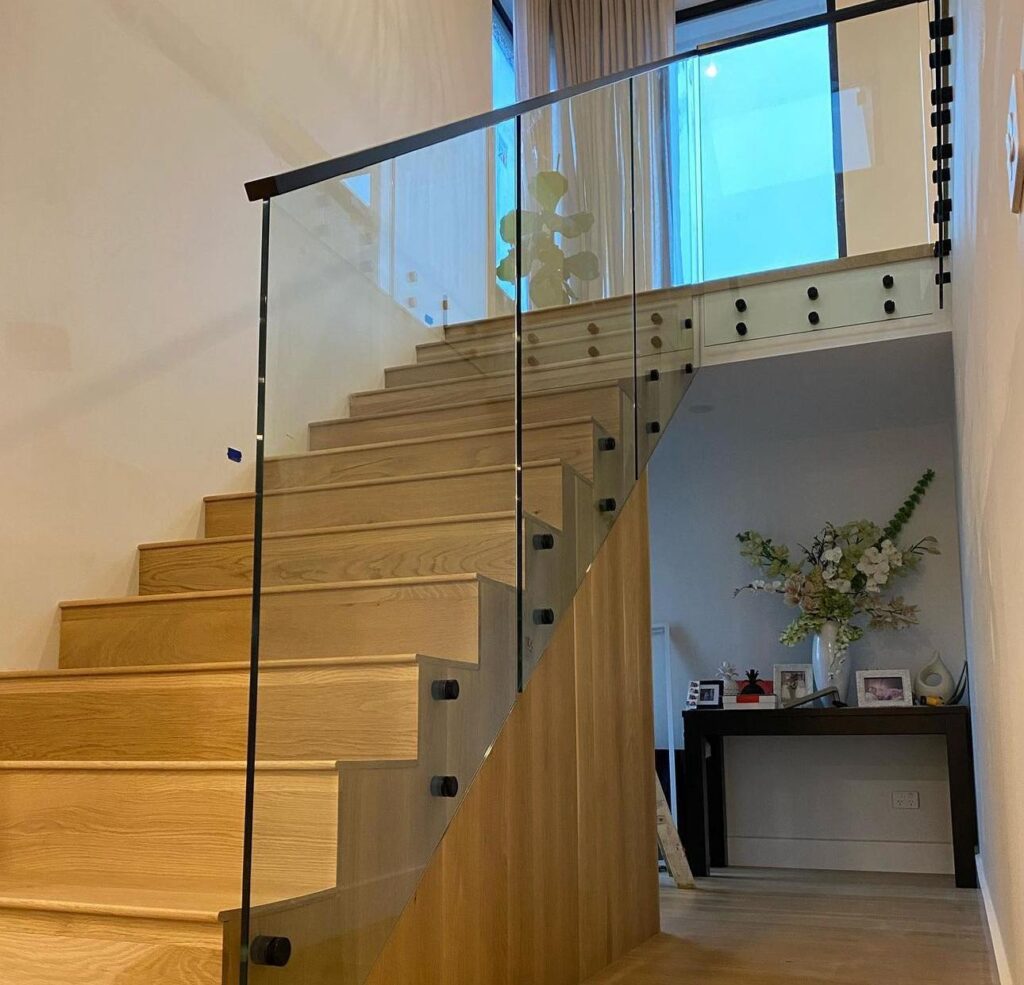
Frameless glass railing uses thick tempered glass panels without visible metal frames around them. The glass is held in place by special hardware at the base or by standoff clamps. This creates a clean, almost invisible barrier.
You might see a slim handrail on top, but the glass itself has no surrounding frame. This design makes frameless systems perfect for homeowners who want unobstructed views.
Common mounting options include:
Base shoe systems: An aluminum channel at the bottom holds the glass in place.
Standoff mounts: Small metal fittings attach directly through the glass.
Spigots: Metal posts grip the glass from the sides without surrounding it.
What is Framed Glass Railing?
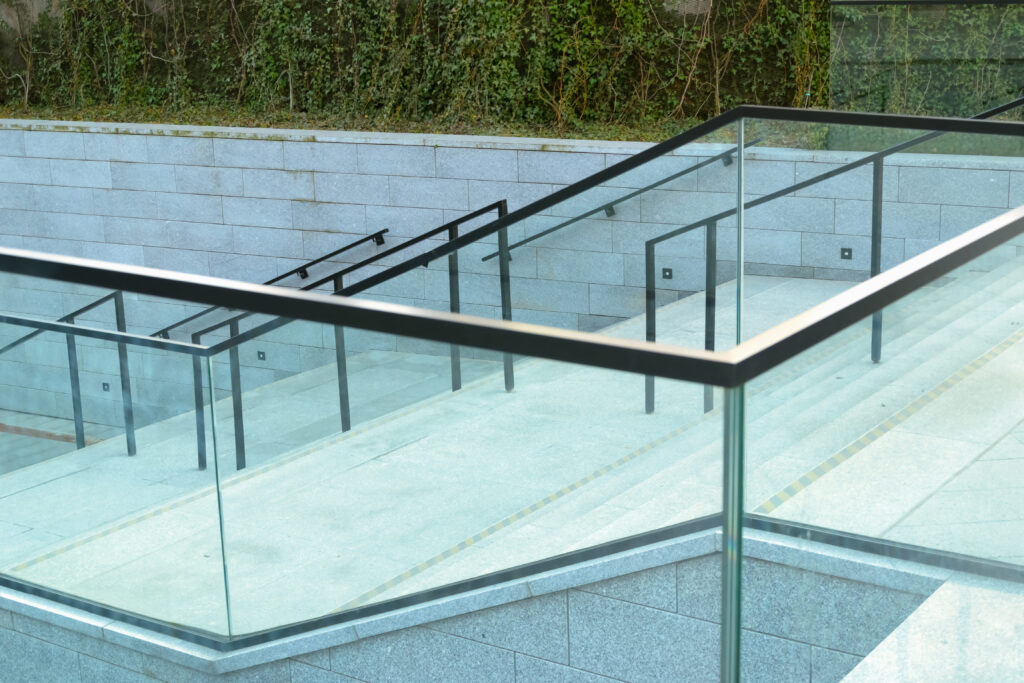
Framed glass railing has glass panels surrounded by metal frames. These frames are typically made from aluminum or stainless steel. The frame runs along all edges of the glass, creating a defined border.
The frame does more than look nice. It provides structural support and protects the edges of the glass. This means the glass itself can be thinner since the frame carries much of the load.
Framed systems often include vertical posts between panels. These posts connect to both the top rail and the bottom rail, creating a sturdy structure. Many homeowners like how the frame elements can match other metal features in their home.
Cost Comparison Breakdown
Let’s talk money. This is often the biggest factor in choosing between frameless vs framed glass railing.
Frameless glass railing costs typically range from $200 to $600 per linear foot installed. The higher price comes from several factors. First, the glass needs to be thicker since there’s no frame for support. Second, the specialized hardware costs more. Third, installation requires more precision and expertise.
Framed glass railing costs usually fall between $100 and $300 per linear foot installed. The frame provides structural support, so thinner glass works fine. The hardware is simpler and more standardized. Installation is more straightforward, which reduces labor costs.
For a typical 20-foot deck railing project, you might pay $4,000 to $12,000 for frameless or $2,000 to $6,000 for framed. That’s a significant difference.
However, consider the long-term value. Frameless systems often increase home value more than framed options. If you plan to sell your home someday, the extra investment might pay off.
Aesthetic Differences
The look of your railing matters. It affects your home’s curb appeal and your daily enjoyment of the space.
Frameless railings create a seamless, modern appearance. Without metal frames blocking your sight line, views stay completely open. This makes your outdoor space feel larger and more connected to the surroundings. Frameless systems suit contemporary architecture, waterfront properties, and any home where the view is a priority.
Framed railings offer a more traditional, structured look. The visible frames add visual interest and can complement your home’s existing design elements. If your home has other metal features like door handles, light fixtures, or outdoor furniture, framed railings can tie everything together. They work especially well with craftsman, colonial, or transitional style homes.
Neither option is better. It depends on your personal style and your home’s architecture.
Safety & Durability
Both frameless and framed glass railings are safe when properly installed. They both use tempered safety glass that meets building codes. But there are some differences worth noting.
Frameless glass railing uses thicker glass panels, typically 12mm to 19mm. This extra thickness provides the strength needed without frame support. The glass itself is incredibly strong. However, the edges are more exposed, which can be a concern in high-traffic areas.
Framed glass railing protects the glass edges with metal frames. This makes the system more resistant to edge impacts. The frame also adds an extra layer of structural support. If something hits the railing, the frame helps distribute the force.
Both types handle weather well. In Seattle’s rainy climate, quality hardware with proper coatings resists corrosion. Stainless steel and powder-coated aluminum work great in wet conditions.
Installation Differences
Installation complexity affects both cost and project timeline.
Frameless installation requires precision. Every measurement must be exact because there’s no frame to hide small errors. The heavy glass panels need careful handling. Base channels must be perfectly level. Professional installation is strongly recommended for frameless systems.
Framed installation is more forgiving. The frame structure goes up first, then glass panels slide into place. Small measurement variations can be adjusted. Some handy homeowners tackle framed installations as DIY projects, though professional installation still gives the best results.
A typical frameless installation takes 2-4 days for a standard deck. Framed systems often install in 1-2 days. Weather can affect both, so Seattle homeowners should plan for possible rain delays.
Maintenance Compared
Nobody wants a railing that’s hard to keep clean. Here’s how maintenance compares.
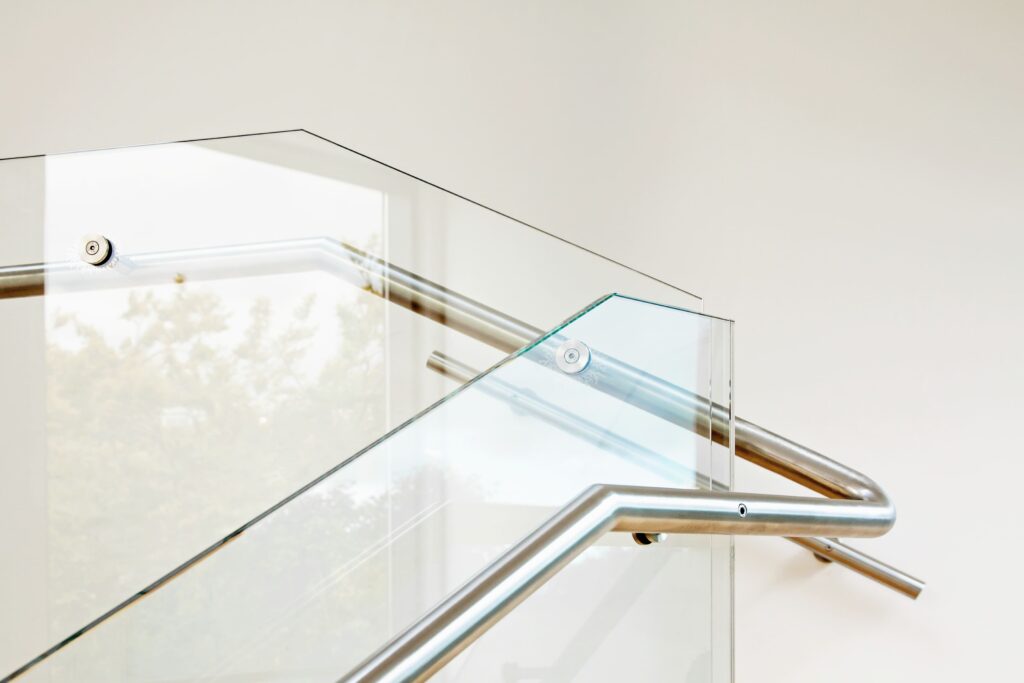
Frameless glass railings are easier to clean. With no frames around the glass, you simply wipe the panels clean. There are fewer nooks and crannies where dirt can collect. A squeegee and glass cleaner are all you need for most cleaning sessions.
Framed glass railings require more attention. You need to clean both the glass and the metal frames. The areas where glass meets frame can trap dirt and water spots. Metal frames may need occasional polishing or treatment to maintain their finish.
In Seattle’s wet climate, water spots are common with any glass railing. Regular cleaning every few weeks keeps your railing looking great. Some homeowners apply water-repellent coatings to reduce spotting between cleanings.
Which to Choose?
Still not sure which option fits your situation? Here’s a quick guide based on common scenarios.
Choose frameless if: You have a beautiful view you don’t want blocked. You prefer modern, minimalist design. Your budget allows for the higher cost. You want easier maintenance. You’re focused on maximizing home value.
Choose framed if: Budget is a primary concern. Your home has traditional or transitional style. You want to match existing metal features. You prefer a more structured look. You might attempt DIY installation.
For waterfront homes: Frameless usually wins. The unobstructed views are worth the extra investment.
For traditional homes: Framed often looks more appropriate. The metal frames complement classic architecture.
For high-traffic areas: Framed offers better edge protection. Consider it for busy decks or commercial spaces.
Final Thoughts
If views and modern style matter to you, frameless is the way to go. If budget and traditional aesthetics are more important, framed is a better option.
Both options provide safety, durability, and beauty. And work well in Seattle’s climate when installed with quality hardware. The right choice actually depends on your home, your style, and your budget.
At Glass Railing Seattle, we help homeowners choose and install the perfect glass railing system. Our team delivers quality installation and outstanding results. Contact us today via 206-410-6177 for a free consultation and quote.