
Trapped water in a glass railing base shoe matters because it rusts the metal anchors, destroys the waterproofing membrane underneath, and leads to hidden structural decay you won’t see until real damage is done. The base shoe is the U-shaped metal channel that grips the bottom of a frameless glass panel, and rainwater flows straight into it. Without a way out, that channel becomes a stagnant retention pond working against your railing every day. Here is why base shoe drainage matters, how it should work, and how to keep water moving instead of sitting where it slowly does harm.
Table of Contents
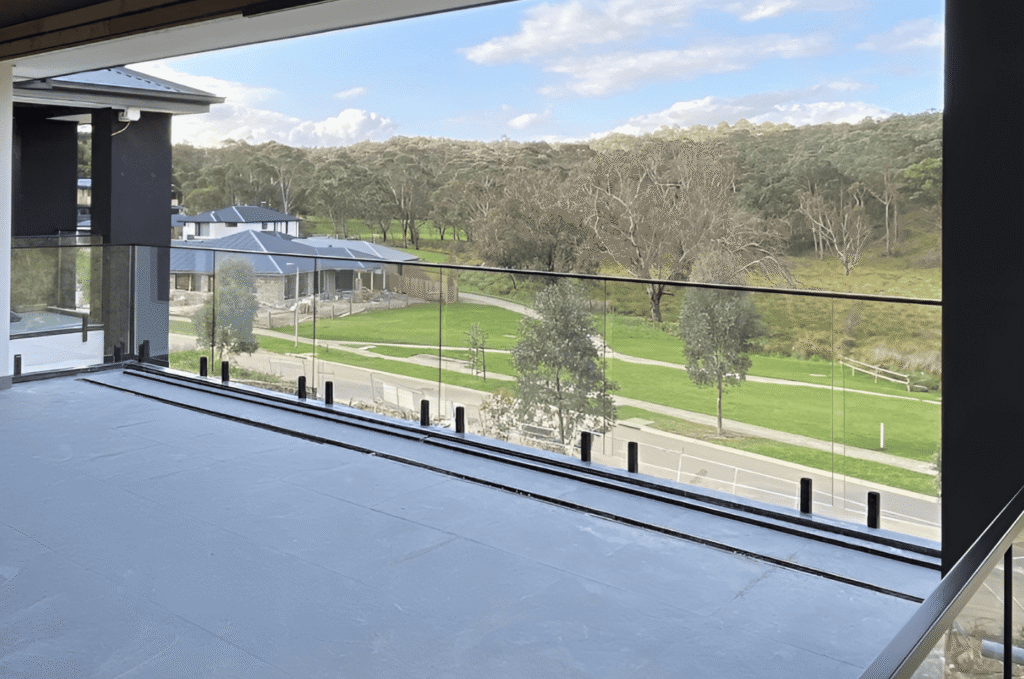
What a Glass Railing Base Shoe Is
Before drainage makes sense, it helps to understand the part itself. A glass railing base shoe carries the whole bottom edge of the glass, which is exactly why water pooling inside it is such a problem. Its shape is both its strength and its weakness.
The Base Shoe Channel Explained
A railing base shoe is a U-shaped metal channel that holds and aligns the bottom of each panel on a frameless glass deck railing. It gives the clean, post-free look people love, but that hidden channel is doing constant work below the glass. That same open channel, though, is shaped to collect water, so drainage has to be designed in from the very start.
How Water Gets In
Rain, sprinkler spray, and runoff all flow directly into the open top of the channel. Because the glass sits inside it, water has an easy path in but no obvious path out, so it simply builds up over time. Every wet day adds more to what is already there, and in a rainy climate the channel rarely gets a chance to dry out.
Why It Collects Instead of Draining
On an outdoor glass railing without proper exits, the channel simply holds whatever lands in it. The water sits against metal, membrane, and framing with nowhere to go. That standing water is where all the damage begins, quietly and out of sight until the harm is already done.
Why Trapped Water in the Base Shoe Matters
A little water may seem harmless, but inside a sealed channel it does slow, serious harm. Understanding why water in base shoe channels matters shows why drainage is not optional. The damage happens in three quiet stages.
Rusted Anchors and Hardware
Standing water corrodes the bolts and anchors holding the glass railing base shoe down, much like the moisture behind gasket wear weakens seals. Rust spreads unseen inside the channel long before it shows on the surface, which is what makes it so easy to miss. Weakened anchors are a direct safety risk, since they are what hold the entire railing firmly in place.
Damaged Waterproofing Membranes
Below the base shoe sits a waterproofing membrane meant to protect the deck or slab. Constant trapped water breaks that membrane down, letting moisture reach the structure it was built to guard. Once the membrane fails, water spreads well beyond the channel and into the deck or slab the railing is mounted on.
Hidden Structural Decay
Left long enough, trapped water railing damage reaches the framing, joists, or slab underneath. Owners of decks in Bellevue sometimes find rot only when a repair opens up the structure. By then the fix is far larger than clearing a drain, often involving new framing, membrane, and hardware all at once.
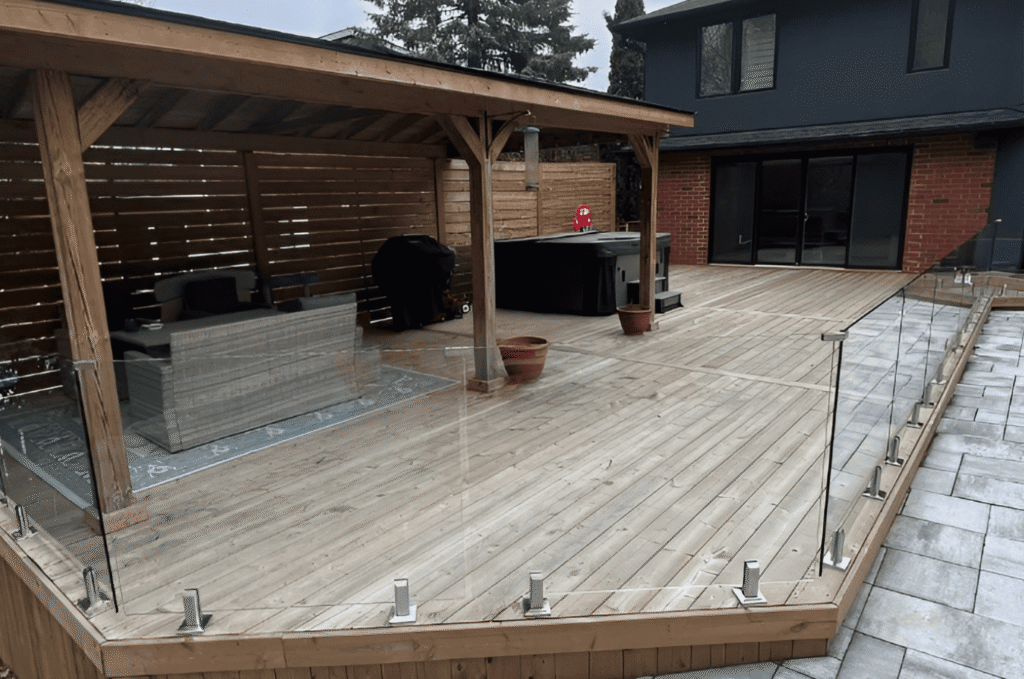
How Base Shoe Drainage Works
A properly built glass railing base shoe never holds water for long. Good glass railing base shoe drainage gives every drop a fast, reliable way out. It comes down to a few simple features working together.
Weep Holes and Exit Paths
Small openings called base shoe weep holes let water escape the channel before it pools. Installers serving railings near Sammamish place these exits so water drains away from the structure. Clear weep holes are the heart of the whole system, and keeping them open is the simplest way to protect it.
Slope and Water Flow
A subtle slope built into the channel or the surface below it guides water toward the exits. Without that pitch, even a channel with holes can hold puddles. Proper glass railing drainage relies on both openings and flow, so a channel needs the right slope as much as the right holes.
What Blocks Drainage
Leaves, dirt, and debris clog weep holes and turn a working channel into a trap. Homeowners with Kirkland glass panels often find blocked exits behind sudden pooling. A clogged drain undoes even the best design, turning a well-built channel back into a stagnant trap within weeks.
Signs and Prevention of Drainage Problems
Most drainage failures are easy to catch and cheap to prevent. A little glass railing maintenance keeps the channel clear and the structure dry. Watch for the warning signs and stay ahead of them.
Signs of Standing Water
Puddles in the channel, staining below the base shoe, or a musty smell all point to blocked drainage, and preparing the area, as our prepare your property guide covers, makes inspection easier. Rust streaks are another clear clue. Spotting these early prevents hidden decay, catching a blockage while it is still just water and not yet damage.
Clearing Weep Holes
Flushing the channel and clearing each exit keeps water moving, and folding it into a routine like our cleaning schedule makes it effortless. A thin tool or a rinse usually clears a blockage, and doing it before the rainy season keeps water moving all winter. Regular clearing is the single best prevention, and it takes only minutes compared to the cost of a structural repair.
Routine Drainage Checks
Seasonal checks catch small blockages before they become standing water, which matters most for glass railing drainage Seattle homeowners face with the steady rain. Crews serving Seattle glass railings suggest a quick look after heavy weather. Consistency protects the structure below.
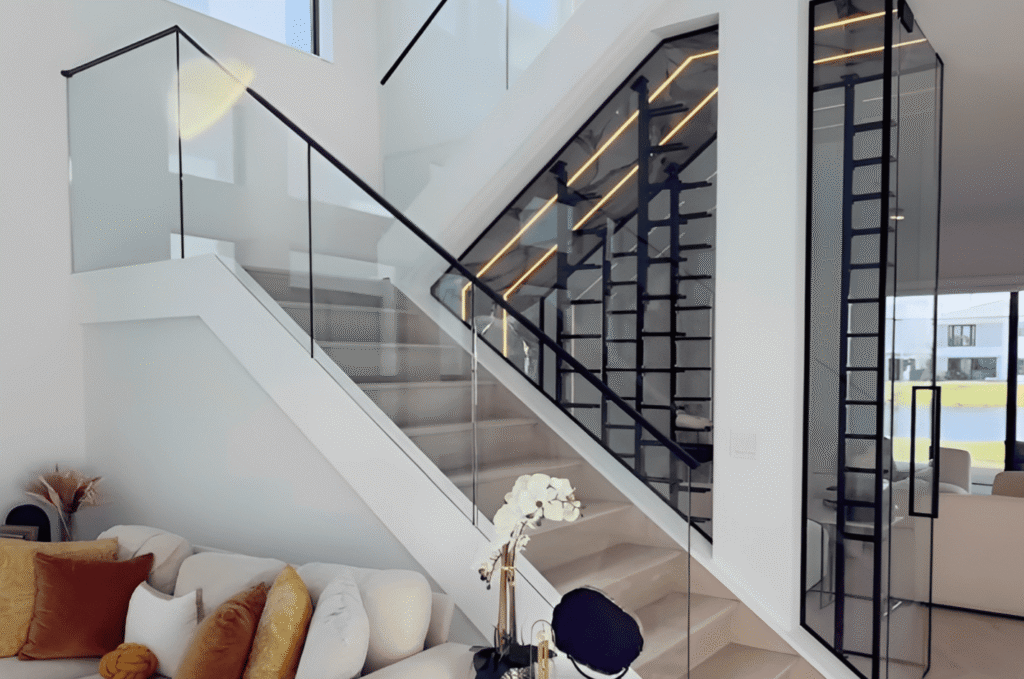
Keeping Your Base Shoe Draining Right
Simple upkeep handles most drainage, but hidden damage is best left to specialists. Catching a failing channel early is what keeps a small job from becoming a structural one.
When to Call a Professional
Persistent pooling, rust, or any sign of membrane failure calls for a pro rather than a rinse. A specialist can inspect hidden anchors and restore proper drainage before decay sets in. That protects both the railing and the structure it sits on, often saving far more than the inspection ever costs.
Why Homeowners Trust Glass Railing Seattle
From drainage checks to full restoration, homeowners rely on the specialists at Glass Railing Seattle to keep water moving and structures dry. Focusing only on glass means every glass railing base shoe is built and maintained to drain properly.
Book a Drainage Inspection
Noticing water sitting in your railing channel? Contact our team for an inspection, and we’ll check your glass railing base shoe and make sure it drains the way it should.