
Owning a waterfront home means stunning views deserve to be seen. Glass railing waterfront installations have become the top choice for homeowners who want to protect their families while keeping those ocean, lake, or river views completely unobstructed.
This guide covers everything you need to know about choosing, installing, and maintaining glass railings for your coastal property.

Table of Contents
Why Glass Railings Are Perfect for Waterfront Properties
There’s something magical about waking up to water views. Whether it’s the rolling waves of the ocean, a peaceful lake at sunrise, or a winding river through your backyard, that view is probably why you bought your property in the first place. The last thing you want is a bulky wooden or metal railing blocking your sightline.
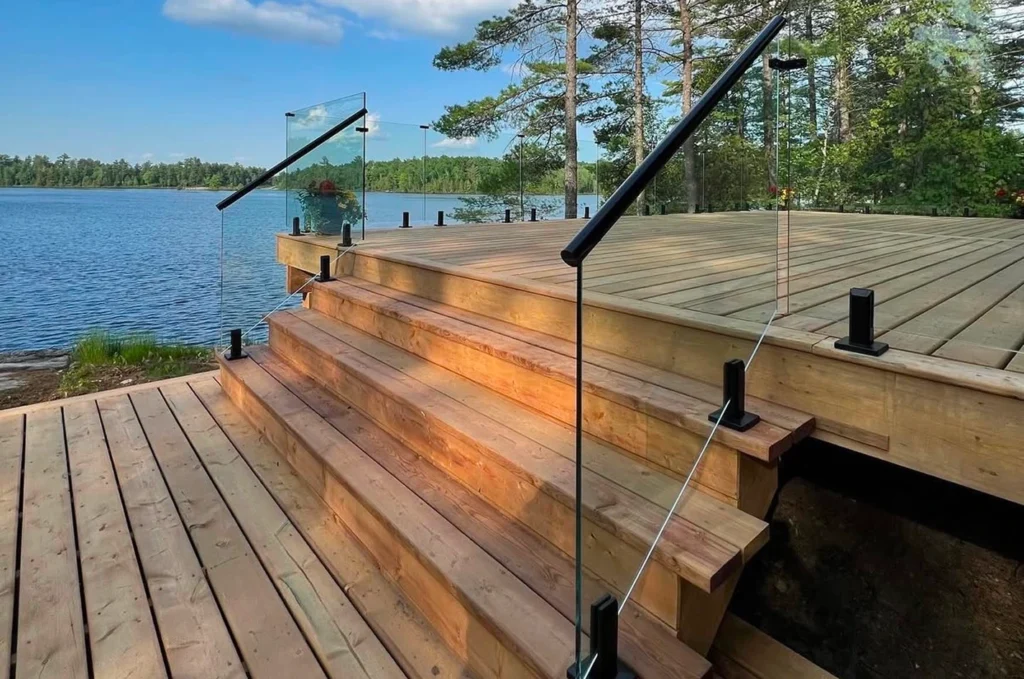
Glass railings solve this problem beautifully. They create a nearly invisible barrier that keeps your family safe while letting you soak in every bit of that waterfront scenery. Unlike traditional railings with spindles and posts that chop up your house with Issaquah view, glass panels give you a clear, uninterrupted look at the horizon.
Top Benefits of Glass Railings for Coastal Homes
• Unobstructed panoramic views: See every wave, sunset, and passing sailboat without visual interference from posts or balusters
• Wind protection: Solid glass panels act as windbreaks, making your deck comfortable even on breezy days
• Salt resistance: Unlike metal that can pit and corrode, glass doesn’t react with saltwater or ocean spray
• Increased property value: Glass railings add a luxurious, modern look that boosts your home’s curb appeal and resale value
• Natural light flow: Transparent panels let sunlight flood your outdoor spaces, making them feel larger and more open
• Low maintenance: No painting, staining, or rust treatment needed, just occasional cleaning to keep them sparkling
Choosing the Right Glass for Waterfront Environments
Not all glass is created equal, especially when it comes to coastal conditions. Waterfront homes face unique challenges like salt spray, high humidity, strong winds, and intense UV exposure. You need glass that can handle these conditions without compromising safety or appearance.
Tempered Safety Glass
Tempered glass is heat-treated to be four to five times stronger than regular glass. If it does break, it shatters into small, blunt pieces rather than dangerous shards. This makes it the standard choice for railing applications. Most waterfront installations use tempered glass panels that are at least 3/8 inch to 1/2 inch thick for added durability against wind loads.
Laminated Glass
Laminated glass consists of two or more glass layers bonded with a plastic interlayer. Even if the glass cracks, the pieces stay stuck to the interlayer instead of falling. This is ideal for elevated waterfront decks and balconies where falling glass could be hazardous. Many building codes now require laminated glass for guardrail applications.
Specialty Glass Options
• Low-iron glass: Removes the greenish tint found in standard glass for crystal-clear views
• Tinted glass: Reduces glare from water reflections and provides some privacy
• Frosted glass: Offers privacy while still allowing light through
• UV-resistant coatings: Protects against sun damage and helps keep the glass looking new
Hardware That Stands Up to Salt Air
While glass itself doesn’t corrode, the hardware holding it in place certainly can. This is where many waterfront homeowners make costly mistakes. Standard stainless steel might work fine inland, but coastal environments demand better.
| Hardware Type | Salt Resistance | Best For |
| 316 Marine-Grade SS | Excellent | Oceanfront properties |
| 2205 Duplex SS | Superior | High-corrosion areas |
| Powder-Coated Aluminum | Very Good | Lake/river homes |
| 304 Stainless Steel | Moderate | Inland areas only |
For oceanfront homes, always choose 316 marine-grade stainless steel or 2205 duplex stainless steel. These materials contain molybdenum, which significantly improves resistance to saltwater corrosion. The extra cost is worth it – replacing corroded hardware is far more expensive than investing in quality from the start.
Maintaining Glass Railings in Coastal Conditions
One of the biggest advantages of glass railings is their low maintenance requirements. However, coastal environments do require some regular attention to keep your railings looking their best.
Recommended Cleaning Schedule
• Oceanfront homes: Clean glass panels every 2 to 4 weeks to prevent salt buildup
• Lakefront homes: Clean monthly or as needed based on pollen and dust accumulation
• After storms: Rinse with fresh water within 48 hours to remove salt deposits
Simple Cleaning Steps
Cleaning glass railings is similar to washing windows. Mix a solution of warm water with a few drops of liquid dish soap or use a 50/50 mixture of white vinegar and water for tougher spots. Apply with a soft cloth or sponge, then rinse thoroughly with clean water. Use a squeegee or lint-free cloth to prevent water spots.
Avoid cleaning glass in direct sunlight or when the surface is hot, as this causes the cleaning solution to dry too quickly and leave streaks. Early morning or cloudy days work best. Never use abrasive scrubbers, razor blades, or harsh chemicals that could scratch the glass or damage protective coatings.
Hardware Maintenance
Even marine-grade stainless steel needs occasional care in coastal environments. Rinse hardware with fresh water when you clean the glass to wash away salt deposits. Every six months, inspect posts and fittings for any signs of corrosion or loosening. If you notice surface discoloration, a specialized stainless steel cleaner can restore the finish.
Framed vs. Frameless: Which Is Better for Waterfront?
Both framed and frameless glass railing systems work well for waterfront properties, but each has distinct advantages depending on your priorities.
Framed systems use posts and a top rail to support the glass panels. They’re generally more affordable, easier to install, and provide additional structural support in high-wind areas. The trade-off is that the frames create some visual interruption.
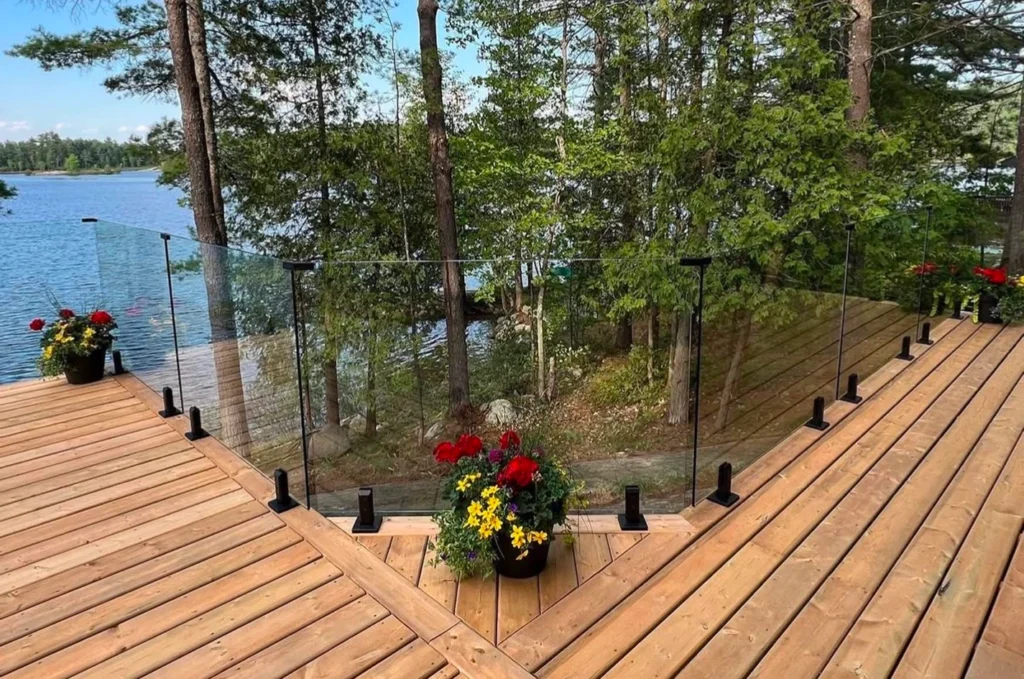
Frameless systems mount glass panels with minimal hardware, creating the most unobstructed view possible. They use thicker glass (typically 1/2 inch) for structural integrity. While more expensive, frameless railings deliver that luxury, modern aesthetic that many waterfront homeowners desire.
Design Tips for Waterfront Glass Railings
• Keep it simple: Let the view be the star, choose minimal frames and clean lines
• Consider wind direction: Glass panels block wind completely, which can be a benefit or drawback depending on your climate
• Match your architecture: Glass works beautifully with modern, contemporary, and coastal home styles
• Add lighting: LED strips along the base or handrail create stunning nighttime ambiance
• Think about birds: If birds are common in your area, consider adding subtle decals or etchings to prevent collisions
Making the Most of Your Waterfront Views
Glass railings are the ideal choice for waterfront homeowners who want safety without sacrificing their precious views. When you invest in quality materials (marine-grade hardware, appropriate glass thickness), and professional installation, your glass railing system will provide decades of beauty and protection.
The key is choosing components specifically designed for coastal conditions. Don’t cut corners on hardware quality, and commit to a simple maintenance routine that includes regular rinsing and cleaning. With the right approach, your glass railing will frame those waterfront sunrises and sunsets for many years to come.
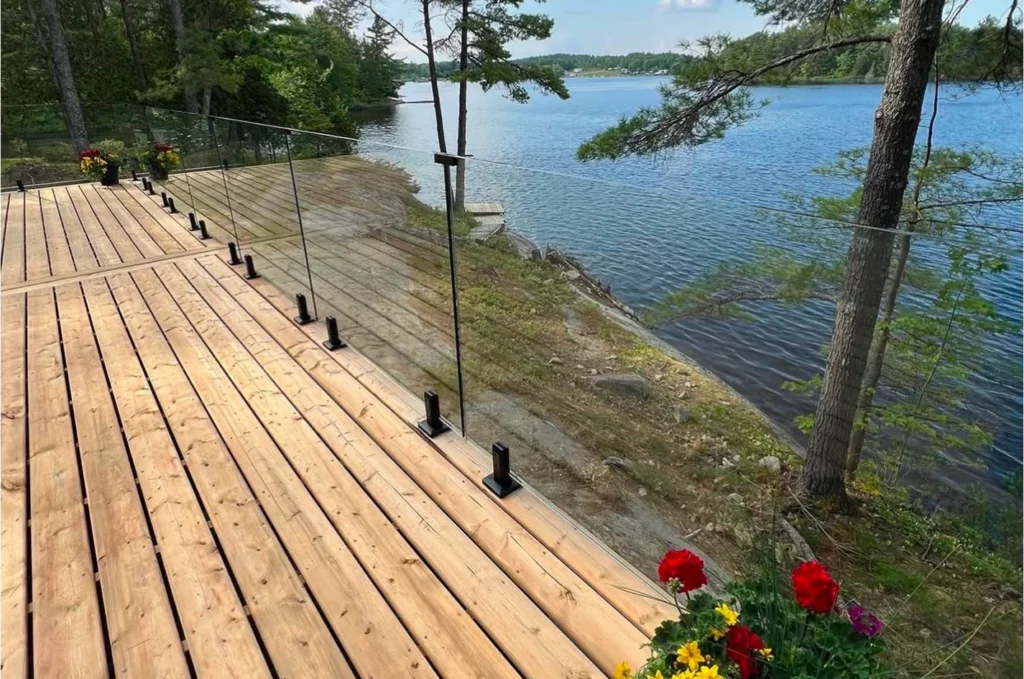
If you’re building a new deck, replacing an existing railing, or upgrading your dock area, Glass Railing Seattle provides custom glass railing solutions that combine safety, modern design, and clear, unobstructed views – perfect for waterfront living.
Contact us today, start building your waterfront glass railing in Kirkland, Seattle, Issaquah and more areas in Washington.