
Glass railings have become a popular choice for modern homes. They offer safety without blocking your view. But if you need glass deck railing measurements or glass stair railing measurements, getting the numbers right is essential. Today we will show you exactly how to measure glass railing for your project. You will learn about glass panel size for railing, spacing requirements, and building codes.
Table of Contents
Why Accurate Glass Railing Measurement Is Important
Before you order any materials, you need precise measurements. Glass cannot be cut on site like wood. Once a glass panel is made, you cannot change its size. This means any mistake in your glass railing measurement will cost you time and money. Custom glass railing dimensions must be exact to fit your space properly.
Accurate measurements also ensure your railing meets safety standards. Glass railing height requirements and glass railing code requirements exist to protect people.
Tools You Need for Glass Railing Measurement
Gathering the right tools makes the job easier. You will need a tape measure that is at least 25 feet long. A laser measure is helpful for longer distances. Get a notepad and pencil to record your numbers. A level helps check if surfaces are flat.
Take photos of your space as you measure. These pictures help glass suppliers understand your project. They can spot potential problems before manufacturing begins.
Glass Railing Height Requirements
Glass railing for balcony shown as a guide for glass railing measurement
Building codes set minimum heights for railings. The glass railing building code varies based on location and use. For most residential areas in Edmonds , a 36 inch glass railing height is the minimum for decks and balconies under 30 inches above grade. However, some areas in Woodinville require 42 inch glass railing requirement for higher elevations.
Commercial buildings often need taller railings. Always check your local residential glass railing specs before ordering. The glass railing height requirements can differ between indoor and outdoor applications. Stairs typically need the same height as flat areas, measured from the nose of the stair tread.
How to Measure Glass Deck Railing
1.Measure the Total Run Length
Start at one end of where your railing will go. Measure the entire length along the deck edge. Write this number down. For deck railing glass panel sizes, you need to know the total distance first. Measure each side of your deck separately if you have corners.
2. Determine Post Locations
Glass railing post spacing affects your panel sizes. Most systems allow posts every 4 to 6 feet. Divide your total length by the post spacing to find how many posts you need. Mark where each post will go. The glass panel maximum width depends on the glass thickness you choose.
3. Calculate Panel Sizes
Measure between your post marks. Subtract space for the post width and any mounting hardware. This gives you the glass railing panel width for each section. Write down each measurement separately. Deck railing glass panel sizes may vary slightly along the run.
Glass Stair Railing Measurements
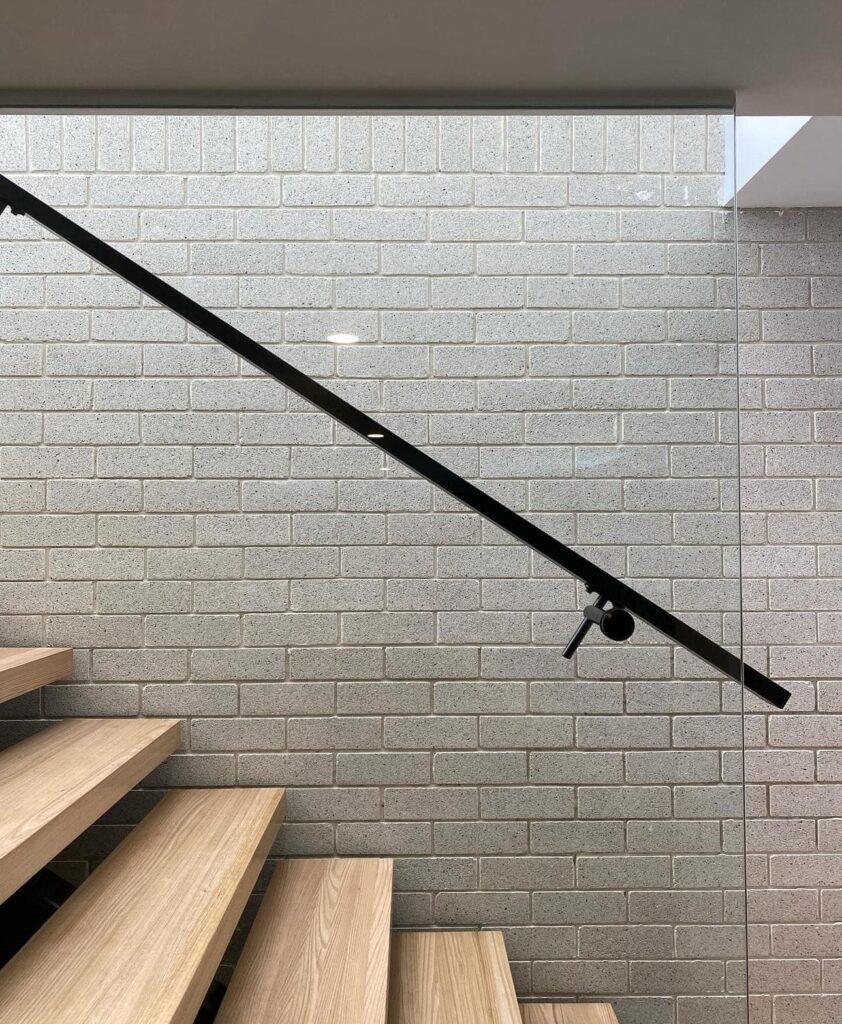
Stairs add complexity to your glass railing measurement process. Glass stair railing measurements must account for the angle of the stairs. You cannot simply measure straight across.
Measuring the Stair Angle
Place a level on your stair treads. Note where the bubble sits. Most stairs have an angle between 30 and 35 degrees. You can also measure the rise and run. The rise is the height of one step. The run is the depth. These numbers help calculate the exact angle for your glass panels.
Determining Top and Bottom Rail Height
For stairs, measure the height at the top and bottom. The railing must maintain proper height above each step. This often means the glass panel will be cut at an angle. Provide your supplier with the total stair run, total rise, and the number of steps.
Glass Balcony Railing Dimensions
Balconies often require the 42 inch glass railing requirement due to height above ground. Glass balcony railing dimensions must meet stricter codes because falls from balconies can be more dangerous. Measure from the balcony floor to where you want the top of the glass.
Include measurements for any posts or frames. Note if your balcony has curves or unusual shapes. Frameless glass railing dimensions need extra precision because there are no frames to hide small gaps.
Glass Thickness and Material Requirements
Railing glass thickness requirements vary by application. Tempered glass railing thickness is usually 3/8 inch or 1/2 inch for most residential uses. Laminated glass railing thickness adds an extra layer of safety. The glass has a plastic layer between two glass sheets, which holds together if the glass breaks.
Larger panels need thicker glass. The glass panel maximum width depends on the thickness. Check with your supplier about the right railing glass thickness requirements for your panel sizes.
Post and Spigot Spacing Guidelines
Glass railing spigot spacing matters for frameless systems. Spigots are the metal clamps that hold glass panels without posts. They typically sit every 3 to 4 feet. Your glass railing installation measurements must include spigot locations.
Common Measurement Mistakes to Avoid
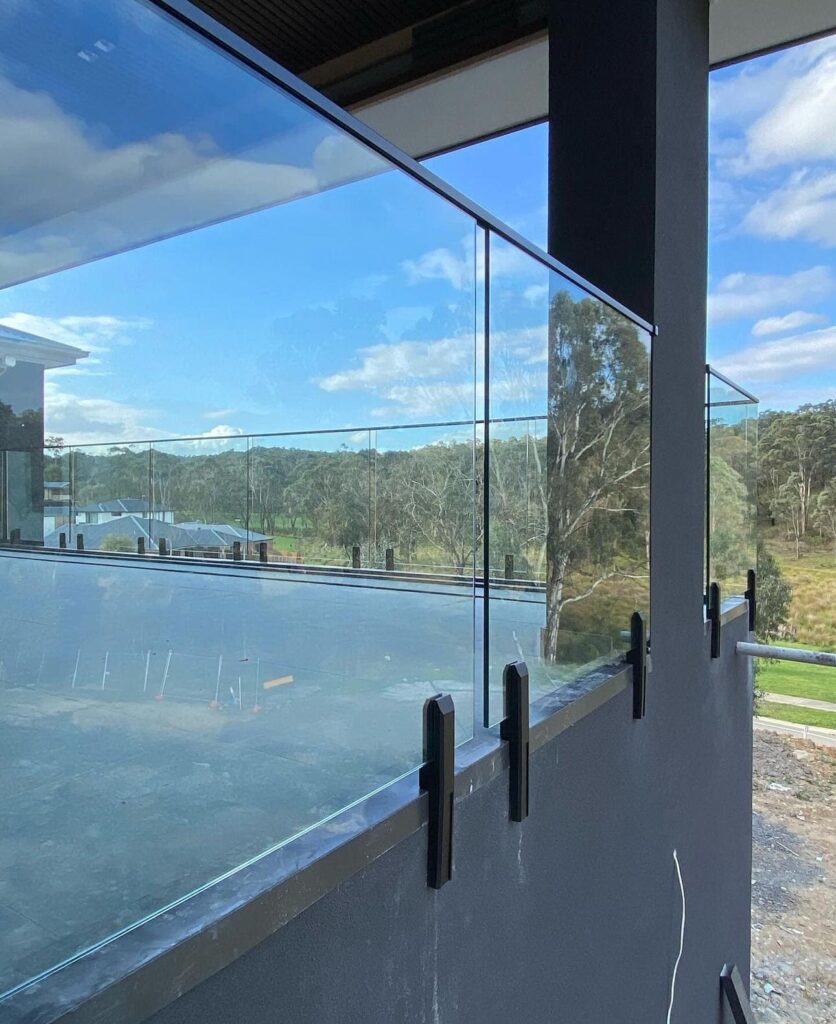
Many people forget to measure the height at multiple points. Floors and decks are not always level. Measure height at each post location. Another common error is ignoring the space needed for mounting hardware. Your actual glass panel will be smaller than the opening between posts.
People also forget to check local glass railing code requirements before measuring. Building codes may require specific heights or glass types. Find out these requirements early so your measurements match what you actually need.
Final Thoughts
Learning how to measure for glass railings takes patience and attention to detail. Start with the total length, then work out post spacing and individual panel sizes. Always check glass railing height requirements and building codes for your area. Share your measurements with suppliers. Ask them to review your numbers. Good suppliers will ask questions and may suggest changes. They can help you understand how to measure for glass fence panels and railings specific to their systems.
At Glass Railing Seattle, we do all necessary measurements and supplements for your place. The only thing you need is to contact us, and we handle the rest.