
When choosing a glass railing for your Seattle home, you need to evaluate safety standards, material quality, climate compatibility, design options, and contractor reliability. Each factor plays a direct role in how your glass railing performs over time and how well it fits your property. Seattle’s weather patterns, building codes, and architectural styles add layers of consideration that homeowners in other regions may not face. Whether you are upgrading a deck, a staircase, or a balcony, choosing glass railing with these details in mind helps you avoid costly mistakes.
Table of Contents
Understanding Glass Railing Types for Your Home
It helps to understand the main types of glass railings for homes before making any decisions. Each type serves a different purpose in terms of aesthetics, structural support, and maintenance.
Frameless vs. Semi-Frameless Options
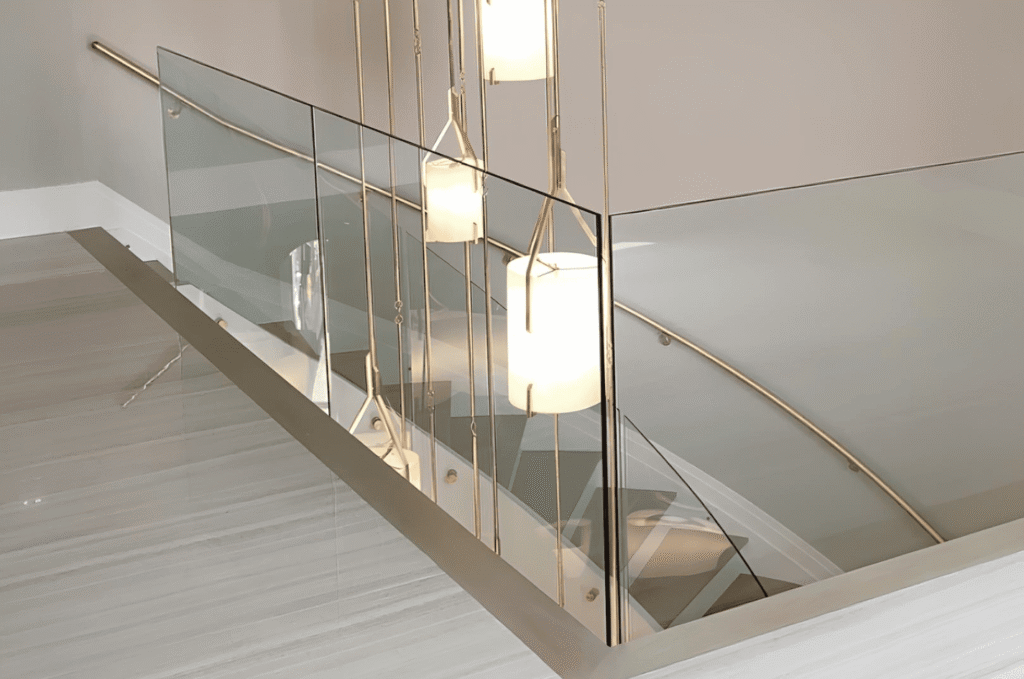
A frameless glass railing offers a sleek, modern appearance with minimal hardware visible. This style uses thicker tempered glass panels mounted with clamps or channels, creating an unobstructed view. Frameless systems work especially well on waterfront properties where you want to preserve Seattle skyline views without interruption.
Semi-frameless options use slim metal posts between panels. They provide a clean look with additional structural reinforcement. If you want the most open feel possible, frameless glass railing is typically the preferred choice among Pacific Northwest homeowners.
Tempered Glass vs. Laminated Glass
Tempered glass railings are the industry standard for residential applications. The glass undergoes a heating and rapid cooling process that makes it up to five times stronger than regular glass. When it breaks, it shatters into small, rounded pieces rather than sharp shards, which is a major safety advantage.
Laminated glass holds together even when cracked because of an interlayer film between two sheets. For areas with residential glass railings requirements or heavy impact exposure, laminated glass adds extra protection. Many homeowners opt for tempered glass railings as their baseline and upgrade to laminated where needed.
Panel Mounting Systems
The way glass panels are secured matters as much as the glass itself. Top-mount systems attach directly to the surface of a deck or balcony, while side-mount options fasten to the edge. Base shoe channels, standoff pins, and post-mounted clamps are common methods used in residential glass projects across the region.
Choosing the right glass railing mounting system depends on your structure’s material, the railing’s location, and your aesthetic preferences.
Why Glass Railing Safety Should Be a Top Priority
Safety should drive every decision when choosing glass railing for any property. Seattle has specific building codes that regulate railing height, glass thickness, and load-bearing requirements. Overlooking these standards can result in failed inspections or preventable accidents.
Local Building Codes in Seattle
Seattle follows the International Building Code with local amendments that specify minimum railing heights of 42 inches for decks and balconies. Glass railing safety depends on compliance with these regulations, and glass balcony railings must meet strict wind-load and impact-resistance criteria before passing inspection in King County areas.
Working with a contractor who understands Seattle’s permit process is essential. They will ensure your glass railing meets all structural and safety requirements before installation begins.
Impact Resistance and Load Testing
Every glass railing installed in a residential setting must withstand a certain amount of force. Tempered glass railings are tested to handle both concentrated loads and uniform pressure, meaning they will not crack under normal use. For homes with children or pets, this level of glass railing safety provides real peace of mind.
Ask your installer about the specific load ratings of the panels they use. Knowing the right questions to ask glass installers upfront adds accountability and protects your investment.
How Seattle’s Climate Affects Glass Railing Choices
Seattle’s rainy, humid climate introduces challenges that directly influence how your glass railing ages. Moisture, salt air near the coast, and temperature shifts all affect long-term performance. Choosing glass railings for homes in this region means planning for weather from day one.
Rain, Moisture, and Hardware Corrosion
Seattle averages over 150 rainy days per year, so your glass railing hardware will face constant moisture exposure. Stainless steel and marine-grade aluminum are the best choices for posts, clamps, and brackets because they resist corrosion far better than standard metals.
If you live near Bellevue or Eastside, salt air accelerates corrosion even further. Investing in high-quality hardware at the outset prevents premature replacements and keeps your glass railing looking clean for years.
Cleaning and Maintenance in Wet Conditions
Glass railings are generally low-maintenance, but in Seattle’s climate, water spots and mineral deposits build up faster than in drier regions. Regular cleaning with a glass cleaner and squeegee every few weeks keeps panels clear. A hydrophobic coating applied during installation helps water bead off the surface.
For minimal upkeep, discuss coating options with your installer during the planning phase. Understanding how long installation takes also helps you schedule maintenance windows around the project timeline. Glass stair railings installed in covered outdoor areas require less frequent cleaning than fully exposed glass balcony railings.
Choosing the Right Glass Railing for Different Areas of Your Home
Not every space calls for the same glass railing setup. Staircases, balconies, and decks each have unique structural needs. Choosing glass railing systems that match each application ensures both safety and visual consistency.
Glass Stair Railings for Interior Spaces
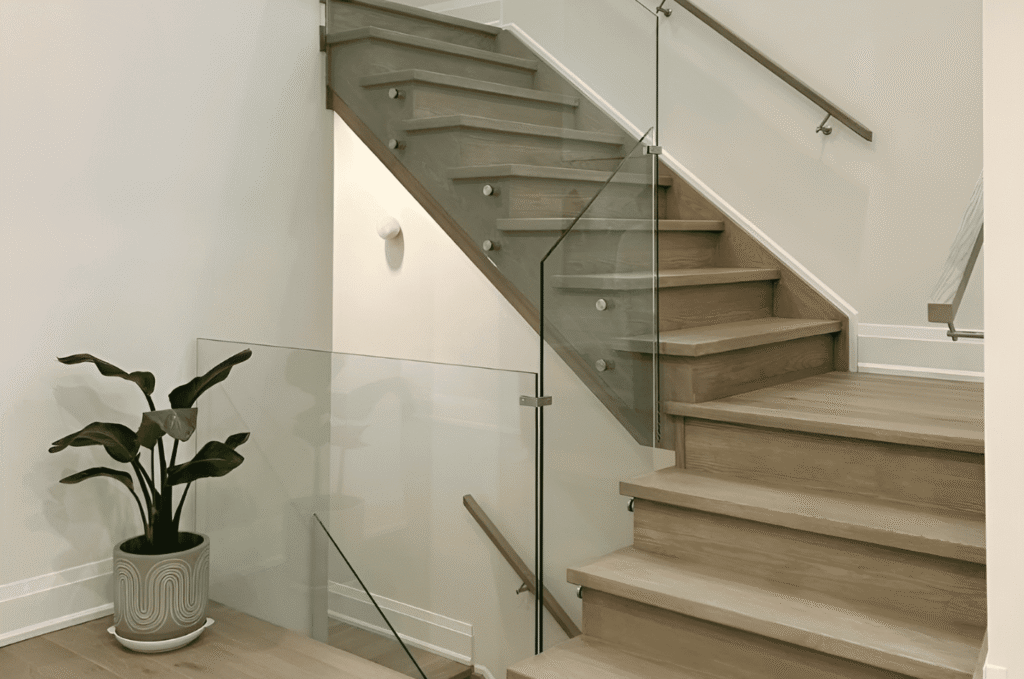
Interior staircases benefit from glass stair railings because they allow light to flow freely between floors. This is especially valuable in Seattle homes where natural light is limited during darker months. A frameless glass railing along a staircase creates an open, airy feel without sacrificing safety.
When planning interior installations, consider the glass thickness and handrail type. Many homeowners pair glass panels with a wood or metal handrail for a balanced look that complements existing décor.
Glass Balcony Railings for Outdoor Living
Glass balcony railings transform outdoor spaces by providing protection without blocking views. In Seattle, where mountain and water views are a major part of a home’s value, this is a significant advantage. Select panels thick enough to handle Mercer Island wind at elevation while maintaining clarity.
For second-story balconies or rooftop terraces, tempered glass railings with a minimum thickness of 10mm are standard. Your installer should evaluate wind patterns specific to your property’s location.
Deck Railings and Outdoor Entertaining Areas
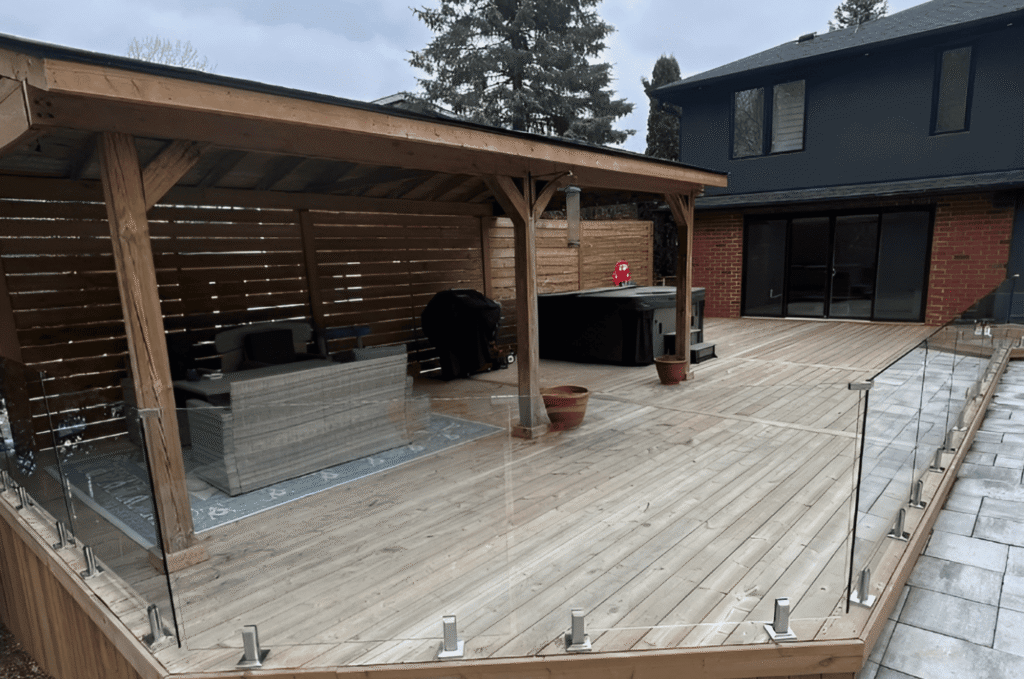
Decks are among the most popular spots for glass railing installation in Seattle. An unobstructed glass perimeter lets you enjoy your backyard while keeping the space safe for guests and children. Choosing glass railing for a deck also increases curb appeal and resale value.
Have your deck’s framing inspected before installation to confirm it can support a glass system. A glass deck railing specialist will identify any reinforcement needs before work begins.
Working with the Right Installer in Seattle
Even the best glass railing system will underperform if installed incorrectly. The contractor you choose has a direct impact on safety, longevity, and satisfaction. Choosing glass railing professionals carefully is one of the most important steps in the process.
What to Look for in a Glass Railing Contractor
Experience with glass railing in Seattle specifically matters more than general contractor experience. Look for installers who specialize in glass systems and can show a portfolio of completed local projects. Understanding how to choose the right contractor is worth exploring before you commit.
Ask about licensing, insurance, and whether they handle permit applications on your behalf. A reputable contractor will provide a written warranty covering both materials and labor.
Timeline Expectations and Project Planning
One of the most overlooked aspects when choosing glass railing is the timeline. Between custom measurements, glass fabrication, permit approvals, and installation, the process can take longer than expected. Planning around your schedule and setting realistic expectations from the start prevents frustration.
Discuss milestones with your contractor early, including material arrival, installation duration, and cleanup. Working with Glass Railing Seattle ensures clear communication and keeps the project on track.
Asking the Right Questions Before You Hire
Before signing any contract, prepare questions that cover material sourcing, warranty terms, and post-installation support. Comparing contractors side by side and spotting red flags early will help you make a confident decision.
A glass railing is a long-term investment, and the installer you choose should treat it that way. If you are ready to start planning your project, contact us today to schedule a consultation and get a personalized estimate.