
Loose glass railing panels are typically fixed by tightening hardware, replacing worn gaskets, re-anchoring standoff pins, or reinforcing the base shoe with structural silicone, depending on what is causing the movement. Identifying the root cause before any repair is attempted is the most critical step, as the wrong fix applied to the wrong problem will result in the panel coming loose again within a short time.
Glass railings are precision-engineered systems where every component works together to carry load and maintain stability. When one element fails or degrades, the entire system is affected. This guide covers the most common causes of panel looseness and the professional approaches used to resolve each one safely.
Table of Contents
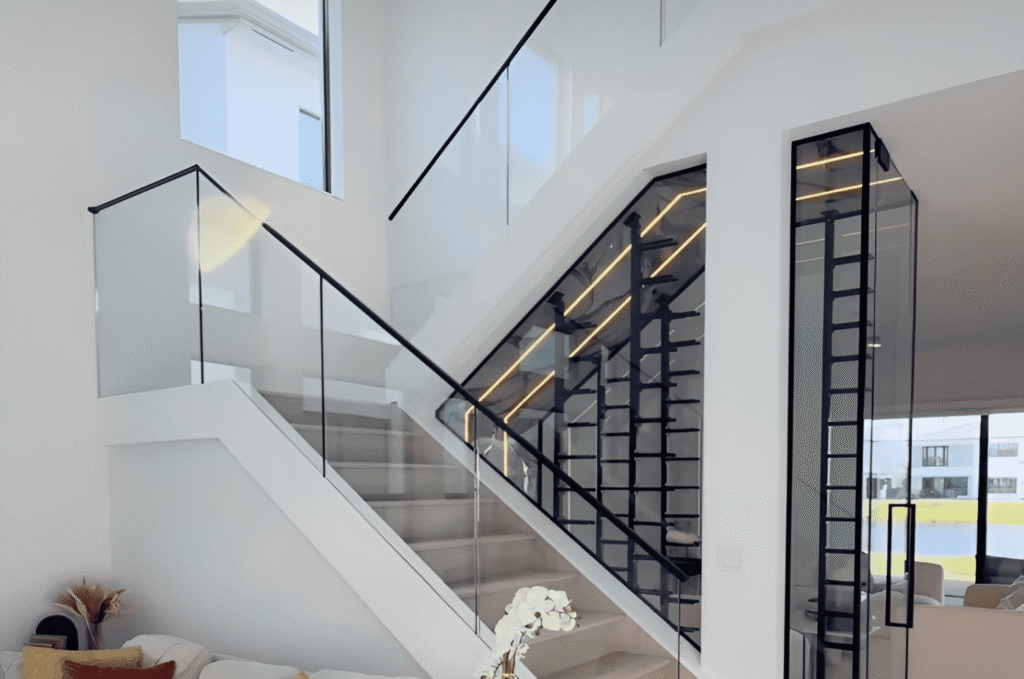
Why glass railing panels come loose
Panel movement rarely happens overnight. It develops gradually through a combination of normal use, environmental exposure, and hardware wear. In Seattle’s wet climate, moisture accelerates the degradation of rubber seals and promotes corrosion in fastener threads, both of which reduce the clamping force holding the glass in place. Properties in waterfront areas like glass railing Magnolia face additional stress from salt air and wind that compounds hardware wear at a faster rate.
Thermal expansion is another consistent factor. Glass and metal expand and contract at different rates across Seattle’s seasonal temperature swings. Over hundreds of cycles, this differential movement works fasteners loose and compresses rubber gaskets beyond recovery. Understanding these root causes is essential before any repair, treating the symptom without addressing the cause results in the same problem recurring within months.
Loose glass railing repair: how to fix each issue
Glass railing hardware tightening
The first step in any loose panel repair is a thorough inspection of all hardware connection points, clamps, clips, screws, and mounting bolts. Glass railing hardware tightening applies when fasteners have worked loose over time without underlying gasket or anchor failure. Each screw should be brought to the manufacturer’s specified torque value. Over-tightening is as damaging as under-tightening, excess force crushes the gasket or creates stress concentrations at the glass edge that can lead to cracking.
For clamp-style systems, confirm that clamping pressure is distributed evenly across both faces of the glass. Uneven clamping creates point loads that stress the panel and accelerate future loosening. If fasteners reach their torque limit quickly without resolving the movement, the threads may be stripped, in which case the hardware requires replacement rather than retightening. The outdoor glass railing service page covers what replacement components are available for different system types.
Glass railing gasket replacement
Glass railing gasket replacement is required when the rubber seal between the glass and the clamp or base channel has compressed, hardened, or deteriorated. A worn gasket loses its ability to create friction against the glass surface, allowing the panel to shift within its mounting even when all hardware is tight. The repair involves removing the glass panel, extracting the old gasket, cleaning both the glass edge and the channel with acetone, and installing a new gasket of the correct profile for the system.
In Seattle’s outdoor environment, gaskets on glass deck railings typically require inspection every one to two years. UV exposure and freeze-thaw cycling cause rubber to harden and crack faster outdoors than in protected interior installations. Using a gasket material rated for outdoor exposure, EPDM rather than standard neoprene, significantly extends service life between replacements. Keeping a record of the last gasket inspection date helps maintain a consistent replacement schedule before deterioration leads to panel movement.
Glass railing standoff pins
When glass railing standoff pins are loose, the repair is more involved than a simple hardware tightening. Standoff pins are anchored directly into the substrate, concrete, masonry, or timber, and when the anchor fails, the pin rotates or pulls away under load. The professional repair involves removing the glass panel, extracting the failed anchor, cleaning the hole, and re-anchoring using an epoxy resin chemical anchoring system. Chemical anchors create a bond between the bolt and the substrate that significantly outperforms mechanical expansion anchors in pull-out resistance.
For hillside Seattle properties where railings are often anchored into concrete retaining structures or masonry walls, verifying the substrate condition before re-anchoring is essential. Cracked or degraded concrete may require patching before a reliable anchor can be set. The guide to railing safety standards covers anchoring and load requirements in full detail, including the minimum pull-out strength specifications required under Washington State building code.
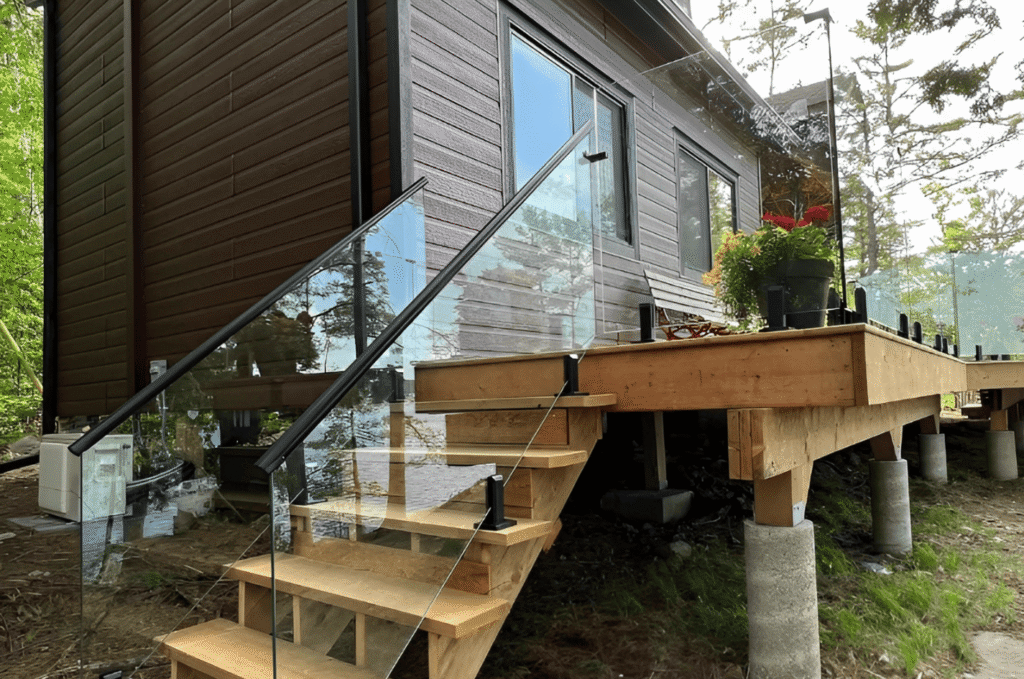
Base shoe and U-channel panels
For frameless systems where the glass sits in a continuous base shoe channel, panel movement usually indicates that setting blocks have compressed or migrated, or that the structural silicone sealant has failed. The repair requires temporary removal of the glass, repositioning of setting blocks to the correct height and spacing, and application of fresh structural silicone rated for glass-to-metal bonding. General-purpose silicone does not provide the adhesion strength or long-term durability required for this application.
Structural silicone requires a full cure period before the system is returned to load-bearing service. For glass balcony railing, returning a panel to service before the sealant has fully cured compromises the repair and risks panel movement recurring under the first significant load. The cure period varies by product and ambient temperature and should always be communicated clearly to the homeowner before the repair is completed.
Loose posts and anchor points
When the entire railing post moves rather than just the glass panel, the problem lies at the base anchor, the connection between the post and the deck, concrete, or framing. Tightening the mounting bolts at the post base is the first step. If bolts spin freely or the base plate has lifted, the anchors have likely pulled free from the substrate. In timber decks, this often indicates wood rot or insufficient blocking beneath the mounting point, a structural condition that must be resolved before any railing repair will hold long-term.
In older Seattle properties where deck framing may have seen decades of moisture exposure, a loose post base frequently signals broader structural issues beneath the surface. A qualified contractor assesses the full framing condition before recommending a repair approach. Replacing hardware on a compromised substrate is a temporary measure, for a deeper look at how installation-related issues develop over time, the guide to glass railing installation problems covers the most common structural failure points in detail.
Secure glass railing panels with regular maintenance
A twice-yearly inspection, at the start of spring and end of fall, covers the full range of Seattle’s weather exposure and catches minor hardware looseness before it develops into a gasket or anchor repair. During each inspection, check every hardware connection point for movement, examine gaskets for cracking or compression, and look for any gaps forming between the glass edge and its channel or clamp. Catching issues early keeps repairs straightforward and prevents safety risks from developing unnoticed between service visits.
Cleaning practices also directly affect long-term hardware performance. Use a microfiber cloth and a non-abrasive glass cleaner to remove dirt and buildup from both the glass surface and the hardware. Avoid ammonia-based or bleach-based products, which degrade rubber seals and accelerate corrosion on metal fittings. For Laurelhurst glass railing and other properties with older framing, more frequent seasonal checks are especially important given the cumulative effect of moisture exposure over time.
When to call a professional for loose glass railing repair
Glass railing repair involves precision torque specifications, structural silicone application, chemical anchor installation, and in most cases, temporary removal and reinstallation of tempered glass panels. Tempered glass is highly vulnerable at its edges, and a single incorrect contact during handling can cause immediate or delayed shattering. A panel that shatters during a repair must be fully replaced, with custom glass fabrication lead times typically running one to three weeks depending on panel size and thickness.
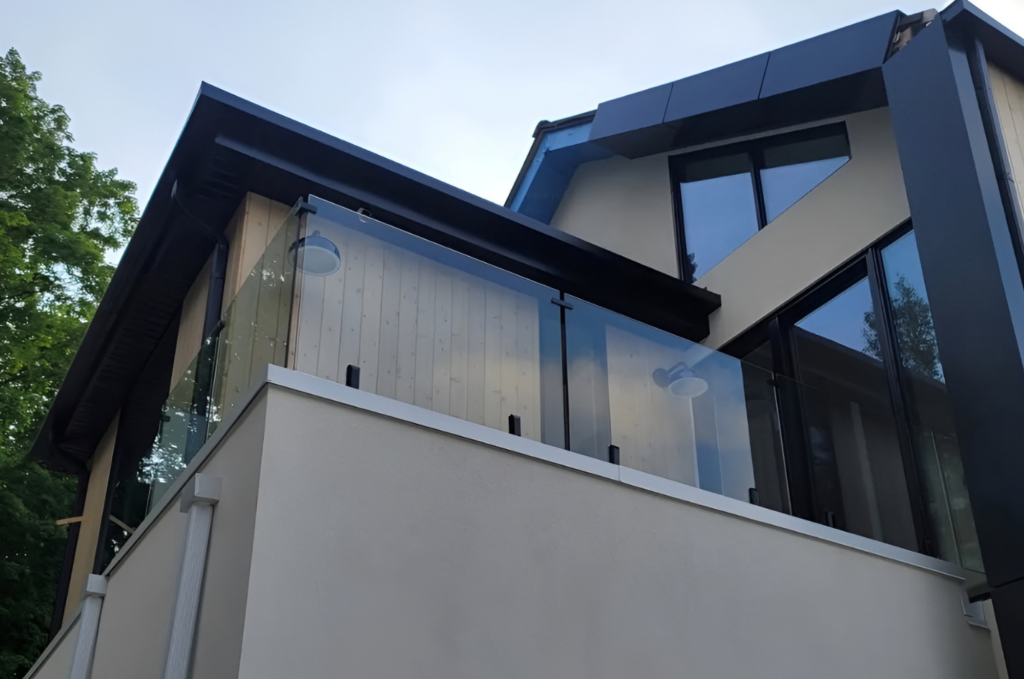
For any Seattle property where the railing is above grade, on a balcony, elevated deck, or stair landing, a loose panel is a fall hazard that warrants immediate professional assessment. Glass Railing Seattle handles repair and full system inspections across the city, including glass stair railing and Queen Anne glass railing projects.
Glass Railing Seattle provides repair and maintenance services for residential and commercial glass railing systems across Seattle, from single hardware replacements to full system inspections and re-anchoring.
Have a loose panel that needs attention?
Book a free on-site inspection with Glass Railing Seattle. We’ll identify the root cause, walk you through the repair, and restore your system to full structural integrity, safely and efficiently.