
If you’re thinking about upgrading your home with modern glass railings, you’ve probably thought about safety. After all, glass might seem fragile compared to traditional wood or metal railings. When properly manufactured and installed, glass railings are among the safest railing options available today.
Table of Contents

Are Glass Railings Safe?
Let’s cut straight to the point: are glass railings safe? Absolutely. Modern glass railings are engineered specifically for safety applications, using specialized materials that are far stronger than ordinary household glass.
The glass used in railing systems is either tempered or laminated safety glass, the same technology found in car windshields and commercial building facades. Tempered glass is approximately four to five times stronger than regular annealed glass. It undergoes a special heat treatment process where the glass is heated to around 1200°F and then rapidly cooled. This process creates internal tension that dramatically increases strength and alters how the glass breaks if damaged.
Even if tempered glass does break (which is rare under normal circumstances), it shatters into small, rounded pebble-like pieces rather than dangerous sharp shards. This design significantly reduces the risk of serious injury. Laminated glass takes safety even further by sandwiching a durable interlayer between two glass panels, keeping the structure intact even if one side cracks.
Glass Railing Safety Standards USA: Meeting Code Requirements
Glass railing safety standards in the USA are rigorous and designed to protect occupants. The International Building Code (IBC) and International Residential Code (IRC) govern railing installations, with strict requirements for materials, thickness, and installation methods.
According to the 2021 IBC, all glass used in guards must be laminated and feature either heat-strengthened or fully tempered safety glazing. The glass must meet Consumer Product Safety Commission 16 CFR Part 1201 Category II requirements or ANSI Z97.1 Class A standards. These tests evaluate impact resistance, static strength, and post-break retention to ensure the glass performs safely under real-world conditions.
Additionally, glass railings must be designed with a safety factor of four, meaning they’re engineered to withstand loads far exceeding typical use. The code also requires railings to resist a concentrated load of 200 pounds applied at any point and 50 pounds per linear foot along the top rail. These stringent requirements ensure your glass railing is built to protect.
Glass Railing Thickness mm and Height Requirements
Understanding glass railing thickness mm specifications is crucial for ensuring safety and code compliance. The minimum thickness required by building codes is 6mm (¼ inch) for all guard applications, though thicker glass is often recommended depending on the installation type.
For framed glass railings, 10mm to 12mm tempered glass is typically sufficient since the frame provides additional structural support. Frameless glass railing thickness requirements are more demanding, panels usually range from 12mm (½ inch) to 19mm for residential applications. Commercial installations or high-traffic areas may require 21.5mm or even thicker panels.
As for glass railing height for balcony and other applications, residential railings typically require a minimum height of 36 inches (914mm) for most areas and 42 inches (1067mm) for decks, balconies, and elevated surfaces more than 30 inches above the ground. Commercial applications generally require 42-inch minimum heights across the board. Pool enclosures often need 48-inch tall railings for additional safety.
Frameless Glass Railing: Modern Elegance Meets Safety
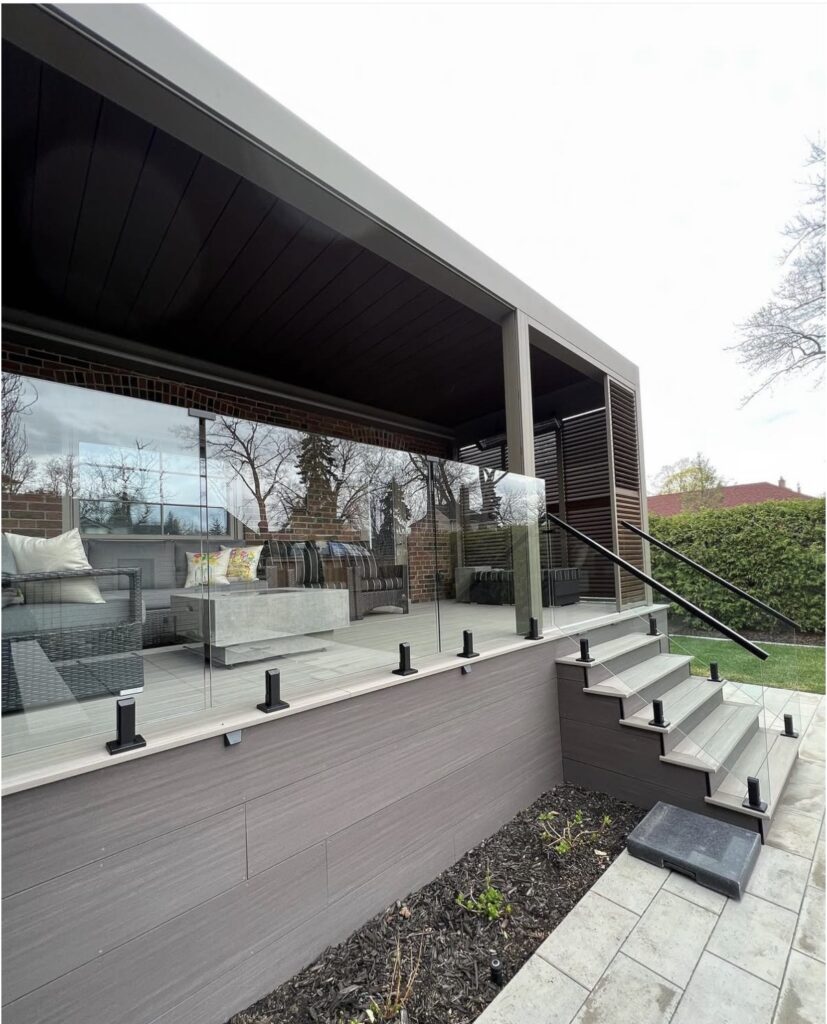
Frameless glass railing systems have become increasingly popular for their sleek, minimalist appearance. These designs use thick tempered or laminated glass panels secured with minimal hardware, creating an almost invisible barrier that maximizes views and light.
Many homeowners worry that frameless designs sacrifice safety for aesthetics, but this couldn’t be further from the truth. Frameless systems simply require thicker glass panels and specialized mounting hardware to maintain the same safety standards as framed alternatives. The glass carries more of the structural load, which is why frameless glass railing thickness is typically 12mm to 19mm for residential use.
Are Glass Railings Safe for Kids? A Parent’s Guide
Parents often ask: are glass railings safe for kids? The answer is a reassuring yes, in many ways, glass railings are actually safer for children than traditional alternatives.
Unlike wood or metal railings with horizontal bars or widely-spaced balusters, glass panels create a solid barrier with no gaps for curious little ones to squeeze through or get their heads stuck in. Building codes require that railing openings be small enough to prevent a 4-inch sphere from passing through- glass panels naturally exceed this requirement.
Glass railings are also extremely difficult for children to climb. The smooth, flat surface offers no footholds or handholds, unlike horizontal rails that essentially create a ladder. And because glass is transparent, parents can easily supervise children playing near railings without visual obstructions.
The tempered glass used in these systems is incredibly durable- it can withstand typical bumps and impacts from active children without damage. While no material is completely indestructible, properly installed glass railings provide excellent protection for Woodinville families with young children.
Can Glass Railings Break? Understanding Durability
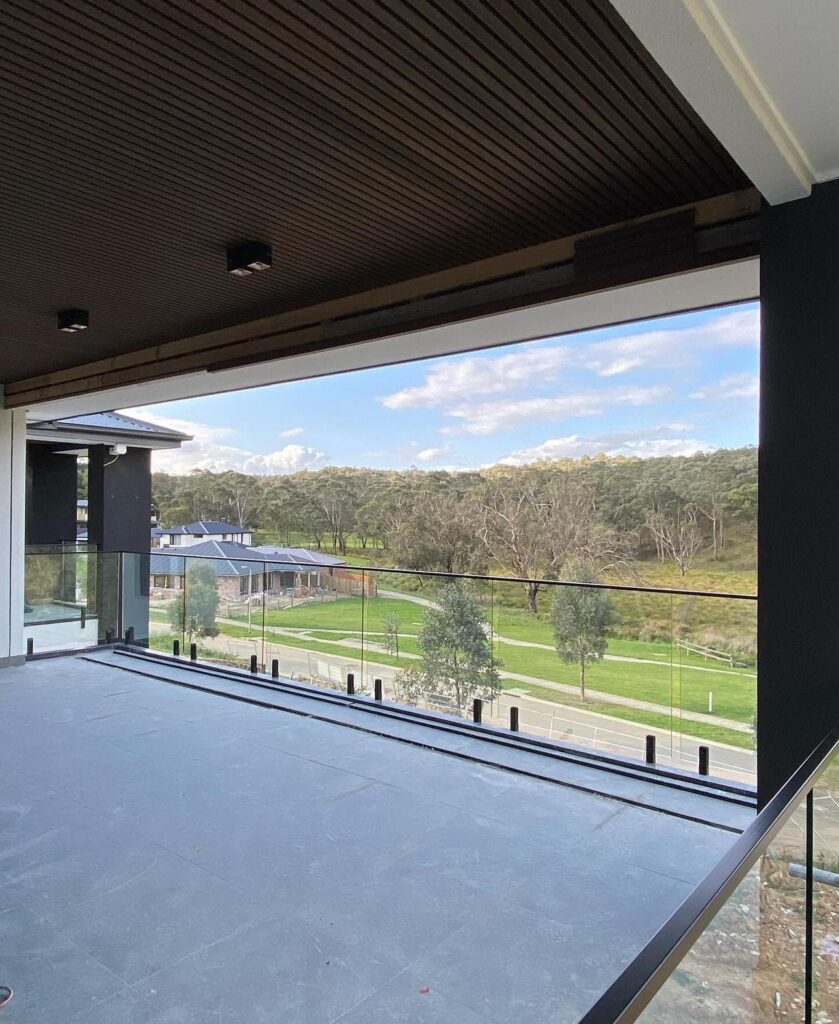
Can glass railings break? While tempered glass is remarkably strong, it’s not completely indestructible. However, understanding what causes breakage and how rarely it occurs should put your mind at ease.
Tempered glass can handle significant impacts during normal use. Breakage typically only occurs from extreme force, damage to the edges (which are the weakest points), or very rarely, from manufacturing defects called nickel sulfide inclusions. Even thermal stress from rapid temperature changes rarely affects properly manufactured railing glass.
When tempered glass does break, it crumbles into small, relatively harmless granules rather than dangerous shards, a key safety feature. Laminated glass adds another layer of protection: if one side breaks, the interlayer holds the broken pieces in place, maintaining the barrier until repairs can be made.
To minimize any risk, work with experienced professionals like Glass Railing Seattle who use high-quality materials, perform proper edge finishing, and ensure correct installation with appropriate hardware.
At Glass Railing Seattle, we’ve helped countless homeowners and businesses throughout the Seattle area install beautiful, code-compliant glass railing systems. In this comprehensive guide, we’ll address all your safety concerns, explore glass railing safety standards in the USA, and help you understand why glass railings might be the perfect choice for your space.
Glass Railing Seattle delivers premium glass railing systems that combine safety with style. Contact us today for a free on-site or virtual consultation.