
Seattle glass railing code generally requires residential guardrails to stand at least 36 inches tall, commercial guardrails at least 42 inches, and every railing to use approved safety glazing like tempered or laminated glass. These rules cover height, glass type, opening limits, and permits, and they exist to keep anyone leaning on the railing safe. Because codes are updated over time and local amendments apply, this guide covers the general requirements, but you should always confirm current rules with the Seattle Department of Construction and Inspections. Here is what the code requires, why each rule exists, and how to meet it without surprises at inspection.
Table of Contents
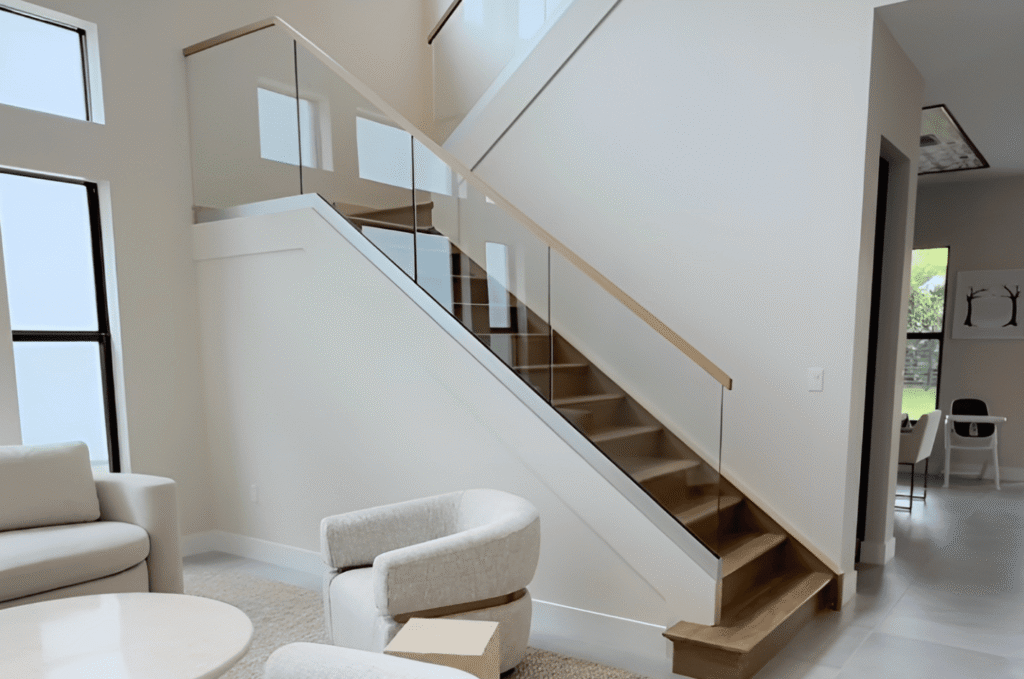
When Seattle Glass Railing Code Applies
Not every railing triggers the same rules, so the first step is knowing when code applies. The glass railing building code kicks in wherever a railing guards an elevated walking surface. Understanding the triggers keeps a project compliant from the start.
Where Guardrails Are Required
Code generally requires a guardrail wherever a deck, balcony, or porch sits more than 30 inches above the grade below, which applies to most elevated glass deck railing projects. Below that height, a guardrail may not be mandatory, though many homeowners add one for safety and resale value anyway. The drop height is what decides whether the rules apply, so a low porch and a raised deck are treated very differently.
Guardrails Versus Handrails
Guardrails and handrails serve different purposes and follow different rules, as our guardrail vs handrail guide explains in detail. A guardrail prevents falls from height, while a handrail provides grip on stairs. Knowing which you need shapes the whole design, since a guardrail and a graspable handrail follow separate height and load rules.
Why Compliance Matters
Meeting glass guardrail requirements is not just paperwork; it is what keeps a railing safe under real loads. A non-compliant railing can fail inspection or, worse, fail when someone leans on it. Compliance protects both safety and your investment, since an unpermitted or non-compliant railing can complicate a future home sale.
Glass Railing Height Requirements in Seattle
Height is the most asked-about part of the code, and it depends on the setting. The glass railing height requirements Seattle enforces differ between homes and commercial spaces. Getting the number right is the foundation of a compliant railing.
Residential Guardrail Height
For homes, guardrails on decks, balconies, and porches generally must be at least 36 inches tall, as our deck railing height code guide breaks down. This is the standard for most residential decks and balconies, and it is the figure the majority of homeowners will deal with. The exact figure should always be confirmed for your site, because the required height can shift with the drop below and the use of the space.
Commercial and Stair Heights
Commercial guardrails are generally held to a higher standard of at least 42 inches, while stairs follow their own handrail rules, which our stair handrail height guide covers. Guardrail height requirements shift with how the space is used. Mixed-use and stair projects often combine both sets of rules, which is where many homeowners get the numbers wrong.
Opening and Spacing Limits
Beyond height, the code limits openings through the classic four-inch sphere rule, meaning no gap can let a four-inch sphere pass through. Installers on projects in railings in Bellevue watch this closely on stairs. Consistent spacing keeps a railing both safe and compliant, and it is one of the first things an inspector measures.
Glass Type and Safety Glazing Requirements
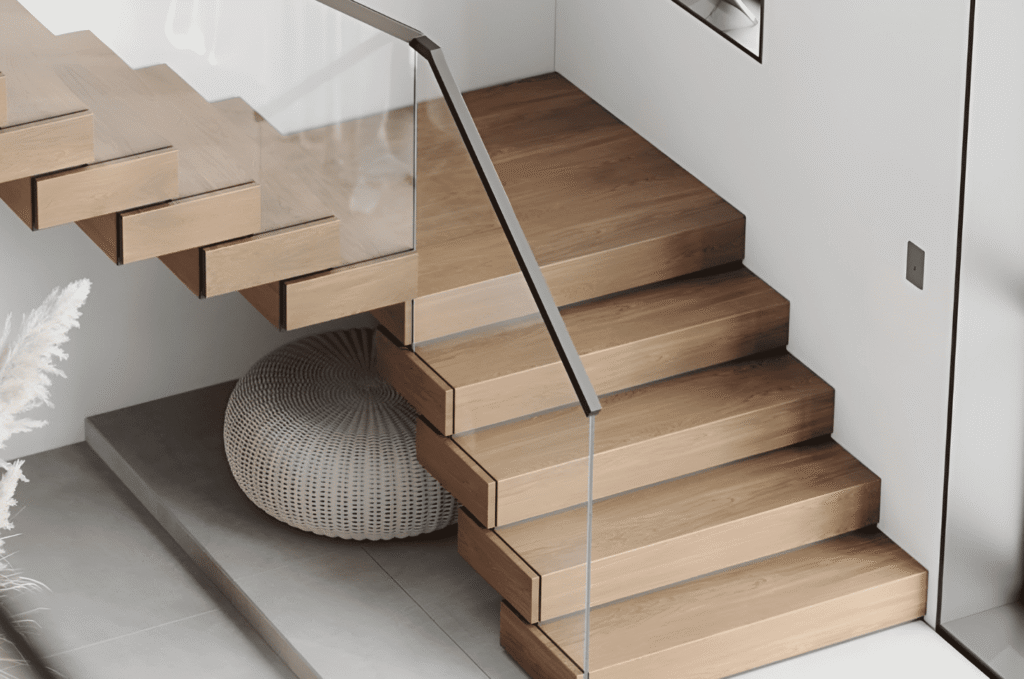
Seattle glass railing code is specific about what glass is allowed in a railing. Meeting the tempered glass railing requirements and glazing standards is what makes a transparent guardrail legal. Not all glass qualifies.
Tempered Versus Laminated Glass
Single fully tempered glass is generally allowed only where there is no walking surface below, while laminated glass railing requirements apply over walkways or anywhere falling glass could injure someone. Crews handling Seattle glass railings choose the type based on what sits beneath the panel. The location decides the glass, so the same railing may call for different glazing depending on what sits beneath it.
Safety Glazing Standards
Railing glass must meet recognized safety glazing standards, typically Category II of CPSC 16 CFR Part 1201 or Class A of ANSI Z97.1. These standards confirm the glass breaks safely rather than into large, dangerous shards, which is the whole reason safety glazing is required. A safety glazing label is what an inspector looks for, and glass without it will not pass review no matter how it was made.
Thickness and Top Rails
Safety glazing generally carries a minimum nominal thickness of about a quarter inch, and a glass balcony railing usually needs a top rail unless it uses tested, approved laminated balusters. The right build depends on the system and where the panel sits, so the top-rail question is best settled during design. Confirming these details early avoids a redesign.
Permit Rules and the SDCI Process
Beyond the physical requirements, Seattle glass railing code sets its own permit thresholds. Knowing the glass railing permit requirements ahead of time keeps a project from stalling. The local rules are stricter than many homeowners expect.
When a Permit Is Required
Seattle’s SDCI generally requires a building permit for any deck more than 18 inches high, even though guardrails only become mandatory higher up. Homeowners with decks in Edmonds and nearby areas often find this threshold catches them off guard. Checking early prevents a surprise.
What Applications Require
Permit submissions typically call for detailed installation plans, material specifications, and structural calculations confirming the railing meets load requirements. Owners of Maple Valley railings benefit from having these ready before applying. Complete paperwork speeds up review, while missing calculations or specs are a common reason an application stalls.
Always Confirm With SDCI
Because code figures are updated and local amendments apply, the smartest move is confirming current requirements directly with SDCI or a licensed contractor. This guide is general guidance, not a substitute for official code. A quick check up front removes all the guesswork, and it is far cheaper than reworking a railing that fails inspection.
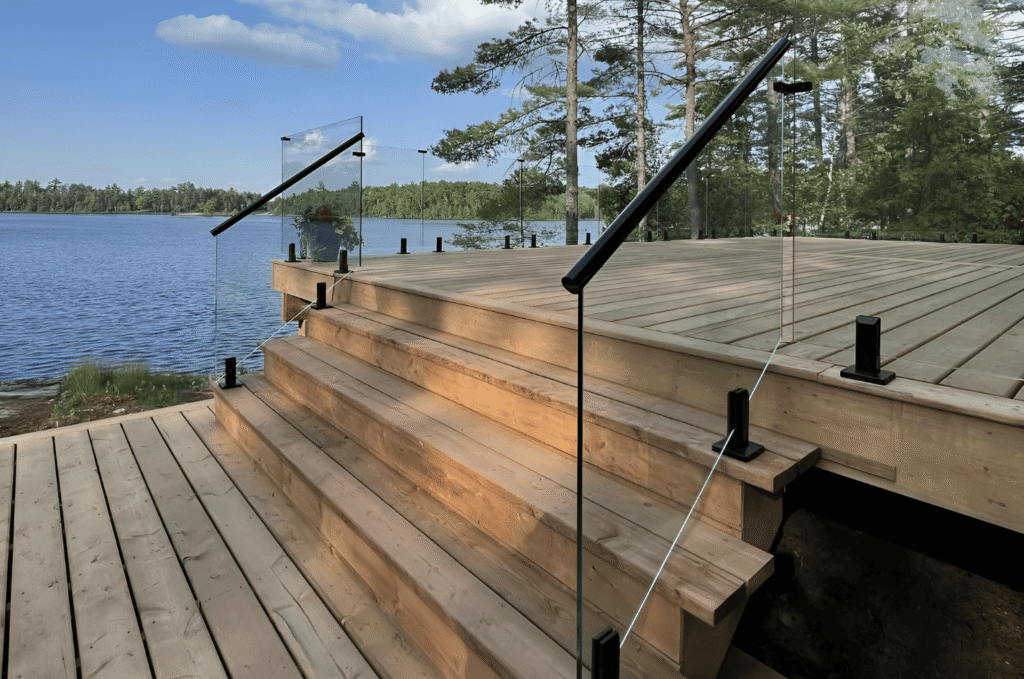
Meeting Seattle Glass Railing Code the Right Way
The surest way to stay compliant is to work with specialists who handle local code every day. Experience with Seattle’s rules keeps a project moving from design to final inspection.
Why a Professional Handles Code Best
A professional designs to current code, prepares the documentation, and coordinates inspections from the start. That removes the guesswork that trips up homeowners working alone. Getting it right the first time is the fastest path to approval.
Why Homeowners Trust Glass Railing Seattle
From code-compliant design to final sign-off, homeowners rely on the specialists at Glass Railing Seattle to navigate every rule and permit. Focusing only on glass means every railing is built to pass review.
Start Your Compliant Railing Project
Planning a railing and unsure about the code? Contact our team for a consultation, and we’ll confirm the requirements and handle your project under Seattle glass railing code from design to inspection.