
The glass type affects safety, looks, and how long your railing will last. The debate between tempered vs laminated glass railing comes up often. Both types are good. But they work differently and suit different needs.
This guide will help you understand both options. You will learn how each glass type behaves, where it works best, and which glass is safer for railings in your home.
Table of Contents
What Is Tempered Glass?
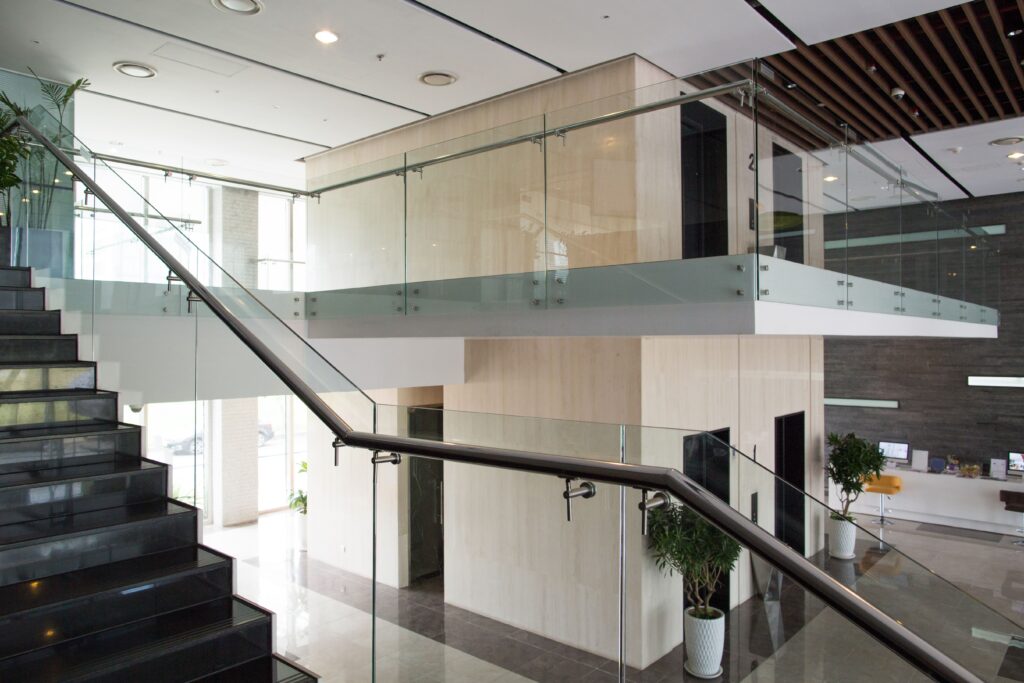
Tempered glass is heat treated glass railing material. The glass goes through a special heating process. It heats up to very high temperatures. Then it cools down quickly. This process makes the glass much stronger than regular glass.
How much stronger? Tempered glass is four to five times stronger than normal glass. This toughened glass railing deck option can handle impacts, pressure, and daily wear very well. It resists cracking and chipping in normal use.
One key feature of tempered glass is how it breaks. If it does break, tempered glass shatters small pieces. These small pieces are less sharp than regular broken glass. This makes tempered glass railing residential installations safer for families.
What Is Laminated Glass?
Laminated glass works differently. It has two or more glass layers. Between these layers sits a special plastic film. The most common film is called PVB interlayer glass railing material. Some products use SGP laminated glass railing or EVA laminated glass outdoor options instead.
This plastic layer is the secret to laminated glass safety. When laminated glass breaks, it doesn’t fall apart. The laminated glass stays intact because the pieces stick to the plastic film. You might see cracks, but the glass panel holds together.
This makes laminated glass stair railing and laminated glass railing balcony applications very popular. Even if something hits the glass hard, it won’t create a dangerous opening.
Glass Railing Break Safety Comparison
Which glass is safer for railings? The answer depends on what matters most to you.
Tempered Glass Safety
Tempered glass balustrade systems offer excellent impact resistance. The glass can take strong hits without breaking. When it does break, the small pieces reduce cut injuries. However, the entire panel will need replacement after breakage.
For tempered glass deck railing applications, this usually works fine. Decks face less risk of severe impacts than some other areas.
Laminated Glass Safety
Laminated tempered glass railing combines both technologies. It offers the strength of tempered glass plus the hold-together feature of laminated glass. This shatter resistant glass railing option provides maximum safety.
For high-risk areas like upper balconies or commercial spaces, laminated glass makes sense. The glass railing break safety benefit gives extra peace of mind.
Best Glass for Deck Railing
What is the best glass for deck railing? Most homeowners choose tempered glass for outdoor decks. Here’s why.
Tempered glass handles temperature changes well. Seattle weather can be unpredictable. Hot summer days. Cold winter nights. Rain all year long. Tempered glass deck railing systems handle these conditions without problems.
Outdoor glass railing weather resistant needs are met by both glass types. But tempered glass costs less. For most residential decks, it provides enough safety without the extra expense of laminated options.
Frameless glass railing tempered designs look stunning on decks. The clean lines and open views make outdoor spaces feel larger. You can enjoy your backyard views without metal bars blocking the scenery.
Residential vs Commercial Glass Railing
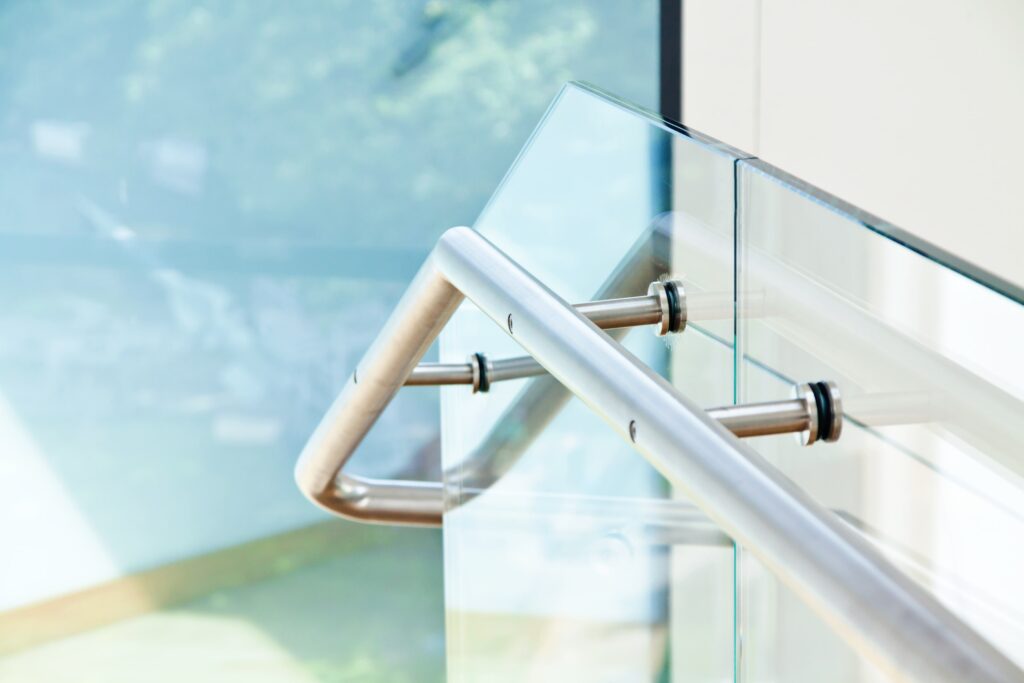
The glass railing types comparison changes based on the setting. Safety glass railing residential requirements differ from commercial building codes.
For homes, tempered glass railing residential installations meet most building codes. The safety glazing railing systems used in homes must be strong. But they don’t face the same heavy traffic as commercial buildings.
Commercial projects often require laminated glass. Higher floors, more foot traffic, and stricter codes make laminated options necessary. But for your home, you have more flexibility to choose based on your specific situation.
Glass Panel Railing Residential Applications
Stair Railings
Glass panel railing residential stair applications benefit from either type. Tempered glass works well for most indoor stairs. The strength handles normal use easily. For outdoor stairs or high-traffic areas, consider laminated options.
Balcony Railings
Laminated glass railing balcony systems offer extra security for upper floors. If you have a second or third floor balcony, laminated glass adds peace of mind. Even if the glass cracks, it stays in place until you can replace it.
Pool Area Railings
Both glass types work near pools. Tempered glass handles moisture and pool chemicals well. It won’t rust or corrode. The easy cleaning makes it practical for wet areas.
Coastal and Weather Considerations

Living near water brings special challenges. Coastal glass railing salt air exposure tests materials over time. Salt can damage metal hardware. But glass itself handles salt air very well.
For coastal homes, pay attention to the hardware and mounting systems. Quality stainless steel hardware paired with either tempered or laminated glass creates lasting results. Regular cleaning removes salt buildup and keeps everything looking good.
Seattle area homes benefit from glass railings that handle constant moisture. Rain, fog, and humidity are part of life here. Both tempered and laminated glass resist moisture damage without special treatment.
Local Installation Services
Finding quality installers matters as much as choosing the right glass. Glass railing Sammamish homeowners can find experienced professionals in their area. For those on Mercer Island, glass railing Mercer Island specialists understand waterfront home needs. Working with local installers means faster service and better ongoing support. They know local building codes and can guide you toward the right glass type for your specific project.
Maintenance and Long-Term Care
Both tempered and laminated glass are easy to maintain. Simple cleaning with glass cleaner keeps them looking new. No painting or staining needed. No rust or rot to worry about.
Tempered glass shows fingerprints and water spots easily. Regular wiping keeps it clear. Laminated glass cleans the same way. The plastic interlayer stays protected inside, so you never need to treat it.
Making Your Decision
The tempered vs laminated glass railing choice comes down to your priorities. Want strong, affordable glass for your deck or ground-level areas? Tempered glass works great. Need extra security for upper floors or high-risk zones? Consider laminated options.
Many homeowners choose tempered glass for most areas and laminated glass for specific spots like second-floor balconies. This mixed approach balances cost and safety effectively.
Both glass types offer the modern look and open views that make glass railings so popular. Both meet safety codes when properly installed. The right choice depends on where you’ll use it and what matters most to you.
Glass Railing Seattle consultation can help you choose the perfect glass railing system for your home.