
Glass railing vs wood railing: both offer unique benefits for your deck, balcony, or staircase. Let’s learn about these popular railing materials, including costs, durability, maintenance, and aesthetics and help you make the best decision.
Modern Railing Options for Your Property
The railing system you choose makes a significant impact for upgrading your outdoor living space or interior staircase. Railings serve two essential purposes: safety and style. The debate between tempered glass panels and traditional wooden balusters continues to grow as homeowners seek the perfect balance of form and function.
Your choice affects everything from your property’s curb appeal to its resale value. Modern Newcastle homeowners increasingly consider factors like weather resistance, long-term maintenance costs, and how well the railing complements their home’s architectural style.
What Makes Glass Railings Stand Out?
Glass railing systems have gained tremendous popularity in contemporary home design. These transparent barriers create an open, airy feel while providing the safety protection your family needs. Made from tempered or laminated safety glass, modern glass panels are engineered to withstand significant impact and harsh weather conditions.
The primary appeal of frameless glass railings lies in their ability to preserve unobstructed views. Whether you’re overlooking a scenic backyard, a pool area, or a beautiful landscape, glass allows natural light to flow freely through your space. This makes rooms feel larger and more connected to the outdoors.
Glass Panel Railings Pros
• Unobstructed panoramic views: Perfect for scenic properties, pool decks, and balconies where you want to maximize visibility
• Weather resistant durability: Tempered glass doesn’t warp, rot, or attract pests like termites
• Long lifespan: Properly installed glass railings can last 20 to 30 years with minimal maintenance
• Wind protection: Solid panels act as windbreaks, making outdoor spaces more comfortable
• Increased property value: The sleek, modern appearance adds a touch of luxury to any home
Glass Railing Cons
• Regular cleaning required: Fingerprints, water spots, and bird droppings show easily on transparent surfaces
• Professional installation needed: Heavy glass panels require experienced installers to ensure safety
• Limited privacy: Transparency may not suit every homeowner’s preferences
The Timeless Appeal of Wood Railings
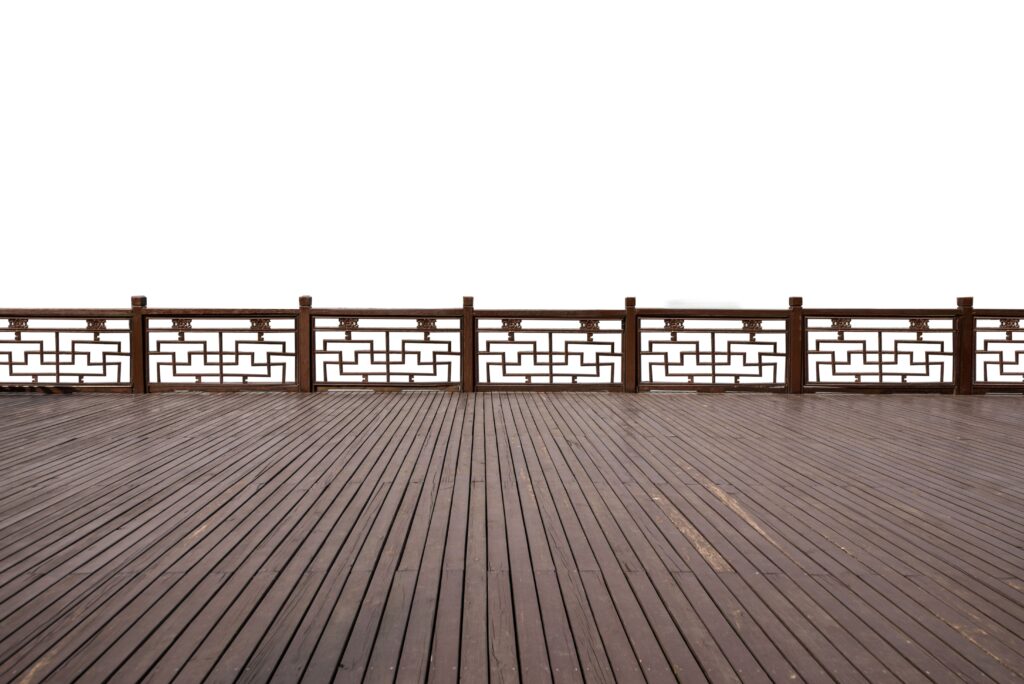
Wood remains the most traditional and widely used railing material in residential construction. Its natural warmth and classic charm make it a favorite for homeowners who prefer a cozy, rustic aesthetic. From pressure-treated pine to exotic hardwoods like mahogany and Ipe, wooden railing systems offer incredible design versatility.
Unlike glass, wood railings blend seamlessly with various architectural styles, from colonial homes to modern farmhouses. You can paint or stain them any color to match your existing decor. For DIY enthusiasts, wood also offers the advantage of easier installation compared to heavy glass panels.
Traditional Wooden Railings Pros
• Affordable pricing: Wood railings cost $20 to $50 per linear foot installed, making them budget-friendly
• Design flexibility: Choose from countless baluster styles, from simple square spindles to ornate custom designs
• DIY-friendly installation: Many homeowners can handle basic wood railing projects themselves
• Natural aesthetic: Wood provides warmth and character that complements outdoor landscapes
• Easy repairs: Individual damaged sections can be replaced without affecting the entire system
Wood Railing Systems Cons
• Regular maintenance demands: Sealing, staining, or painting every 1 to 2 years is essential to prevent damage
• Susceptible to weather damage: Moisture causes warping, rotting, and mold growth over time
• Pest vulnerability: Termites and other insects can compromise structural integrity
• Shorter lifespan: Expect 10 to 25 years depending on maintenance and climate conditions
Durability and Maintenance Requirements
When evaluating long-term value, durability becomes a critical factor. Tempered glass railings offer exceptional resistance to environmental stressors. They won’t crack from temperature fluctuations, and quality installations withstand wind, rain, and UV exposure without degrading. The glass panels themselves can last the entire system’s lifespan, while hardware and seals may need periodic replacement every 10 to 20 years.
Wood railings face more significant durability challenges, particularly in outdoor environments. Without consistent maintenance, untreated wood deteriorates rapidly. Moisture absorption leads to warping and rot, while UV rays break down the wood fibers. In humid or coastal climates such as Bellevue buildings, wooden structures require even more vigilant care to prevent premature failure.
Aesthetic Considerations and Design Versatility
Glass railings deliver a sleek, contemporary aesthetic that suits minimalist and modern architectural styles. They create visual continuity between indoor and outdoor spaces, making them ideal for properties with stunning views or compact areas where you want to maximize the sense of openness.
Wood railings offer unmatched versatility in traditional design contexts. From craftsman-style spindles to elaborate Victorian patterns, wooden balusters can be customized to match any historical or classic aesthetic. The natural grain patterns and warm tones create a welcoming atmosphere that many homeowners find irreplaceable.
Safety Standards and Building Code Compliance
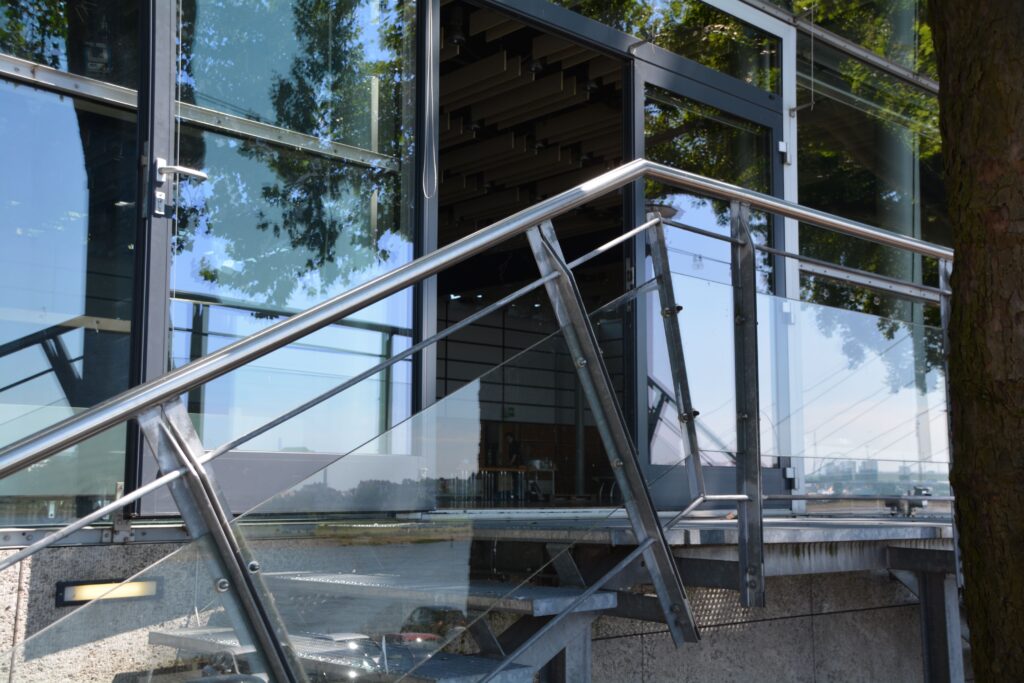
Both glass and wood railings must meet specific building code requirements to ensure occupant safety. Most jurisdictions require railings on decks higher than 30 inches from the ground, with heights between 36 and 42 inches depending on the application. The spacing between balusters typically cannot exceed 4 inches to prevent children from slipping through.
Glass railings use tempered or laminated safety glass that’s engineered to break safely if shattered. Tempered glass crumbles into small, blunt pieces rather than dangerous shards, while laminated glass holds together even when cracked. Always verify that your chosen system meets local codes and hire licensed contractors for installation.
Which Railing Is Best for Your Specific Needs?
The right choice depends on your unique circumstances. Consider these factors when making your final decision:
• Budget constraints: If upfront costs are your primary concern, wood offers significant savings initially
• Climate conditions: Glass performs better in harsh weather and coastal environments with salt exposure
• Maintenance willingness: Choose glass if you prefer occasional cleaning over regular staining and sealing
• View preservation: Glass is unbeatable for maximizing scenic vistas and natural light
• Architectural style: Match your railing to your home’s design language for cohesive curb appeal
Final Decision
Both glass and wood railings serve their purpose effectively when properly installed and maintained. Glass railings represent a premium investment that pays dividends through minimal upkeep and exceptional longevity. They’re the clear winner for modern homes, view-centric properties, and homeowners who prioritize low-maintenance living.
Just remember that the ongoing maintenance commitment is real and necessary for preserving both appearance and structural integrity.
Working with Glass Railing Seattle contractors not only enhances your home’s beauty but ensures the safety of everyone who uses it. Contact us at 206-410-6177 today and build your aesthetic.