
Two popular options are there in the railing market: glass railing vs cable railing. Both of them offer modern looks and great views, although they differ from each other a lot. In this guide, we’ll talk about everything you need to know about glass vs cable railing, including costs, pros and cons, and which type might work best for your place.
Table of Contents
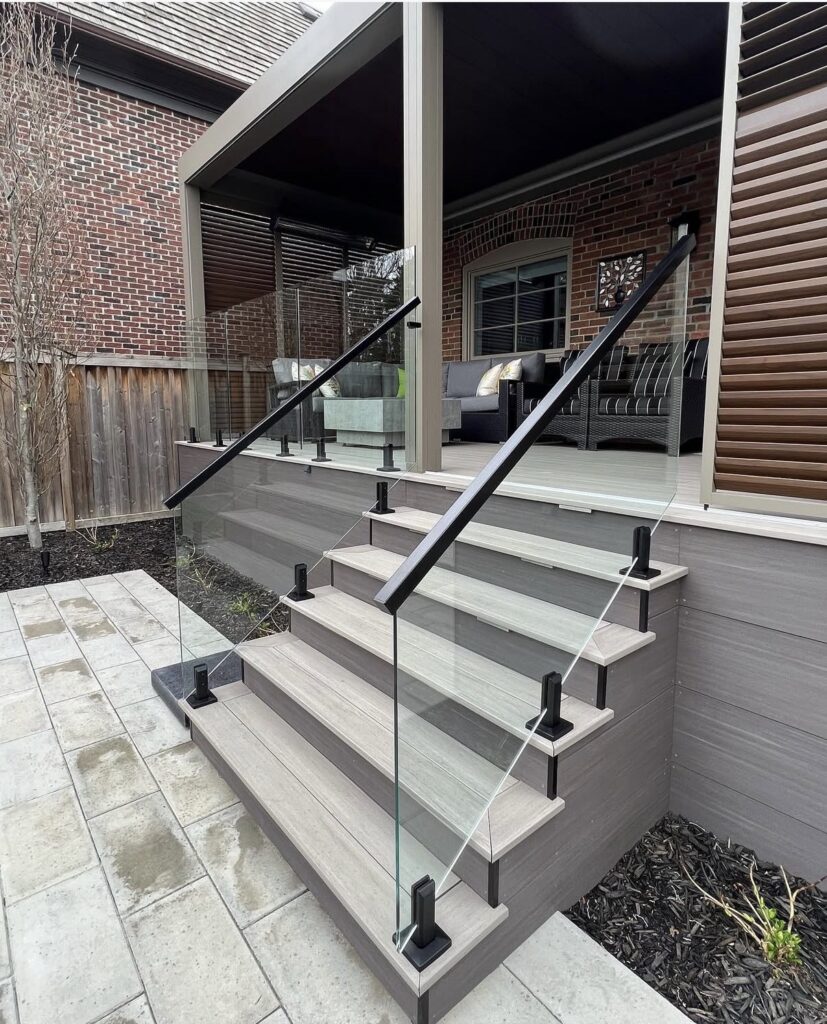
What Is Glass Railing?
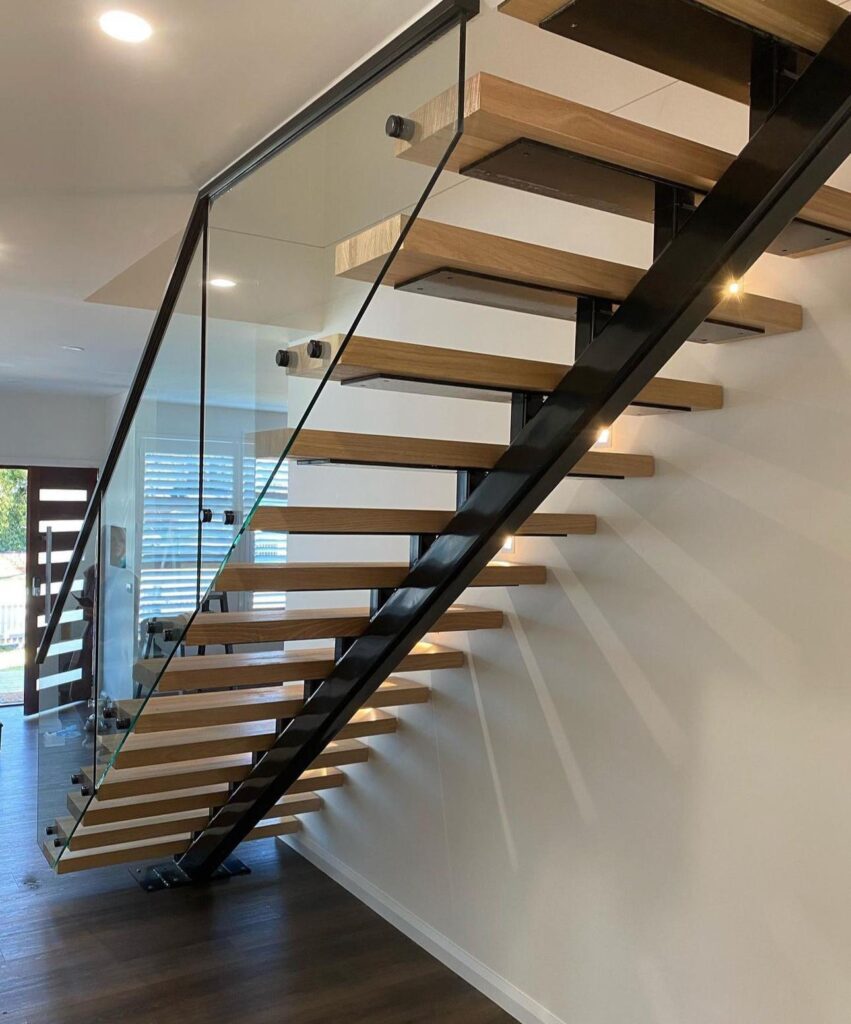
Glass railing uses tempered glass panels as the main barrier between posts. The glass can be framed or frameless, giving you different style options. Many homeowners choose glass railing because it provides an unobstructed view. Let’s say you have an ocean view or a beautiful backyard, there glass railing lets you enjoy it fully.
Glass railings work well on decks, balconies, pool areas, and indoor staircases. They create a sleek, high-end appearance that adds value to any property.
What Is Cable Railing?
Cable railing uses horizontal or vertical stainless steel cables stretched between posts. The thin cables create a modern, industrial look while still allowing good visibility. Cable railing has become popular in recent years in Seattle neighborhood because of its clean lines and lower price point compared to other options.
You’ll often see cable railings on decks, porches, and contemporary staircases. They blend well with wood, metal, and composite materials.
Is Cable Railing Cheaper Than Glass Railing?
Yes, cable railing material is generally cheaper than glass railing. When comparing glass railing vs cable railing cost, you’ll find that cable systems typically cost less for materials. The glass railing vs cable railing price difference can be significant, especially for larger projects.
Keep in mind that prices often vary according to your location, the complexity of the installation, and the quality of materials you choose.
Glass Railing vs Cable Railing Pros and Cons
Let’s look at what each option brings to the table. The glass railing vs cable railing pros and cons will help you make smarter choices.
Benefits of Glass Railing
Glass railing offers several advantages. First, it provides completely unobstructed views. Unlike cables that create horizontal lines across your view, glass gives you a clear, seamless look. Second, glass acts as a windbreak. If you live in a windy area, glass panels can make your outdoor space more comfortable. Third, glass is easy to clean with just soap and water. Fourth, tempered glass is extremely strong and durable. It can handle impacts and extreme weather without failing.
What Are the Disadvantages of Glass Railing?
Glass railing isn’t perfect for everyone. It requires a bigger investment upfront. Another issue is that glass shows fingerprints, water spots, and smudges easily. You’ll need to clean it more often to keep it looking good. Glass panels are also heavier than cable systems, which can affect installation on some structures. Finally, while tempered glass is strong, it can still break under extreme impact, though it will shatter into small, safer pieces rather than sharp shards.
Benefits of Cable Railing
Cable railing has its own strength. The biggest advantage is the lower price. If budget matters, cable railing lets you get a modern look without spending too much. Cable railings are also lightweight and put less stress on your structure. They work great for DIY installations since the materials are easier to handle. Stainless steel cables resist rust and corrosion, making them durable in coastal or humid environments.
What Are the Disadvantages of Cable Railings?
Cable railings come with some downsides too. The cables can obstruct views, especially when you have many horizontal lines across your sightline. Over time, cables can stretch and sag, requiring periodic tightening. Cable railings don’t block wind at all, so they won’t make your deck more comfortable in breezy conditions. Some building codes have strict requirements for cable spacing, which might affect your design options. Also, small children or pets might be able to climb horizontal cables, creating a safety concern for some families.
Which Type of Railing Is Best?
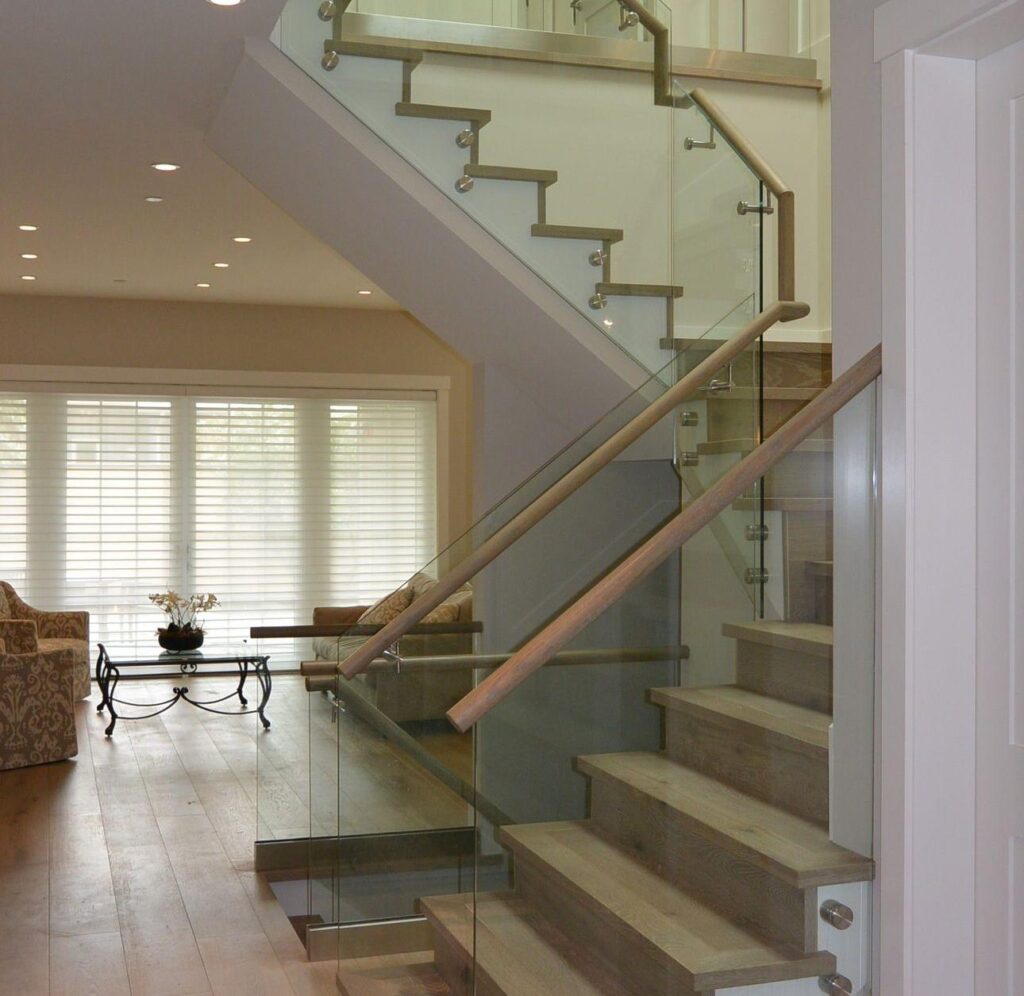
The best railing depends on your specific needs. Choose glass railing if you want maximum Kirkland views, need wind protection, or prefer a wonderful look. Glass works best for oceanfront properties, rooftop decks, and luxury homes where the investment adds significant value.
Choose cable railing if budget is a concern, you prefer an industrial or contemporary style, or you need a lighter-weight system. Cable railing fits well with mountain homes, modern architecture, and projects where cost efficiency matters.
Making Your Final Decision
Before you decide between glass vs cable railing, think about these questions. What’s your budget? Do you need wind protection? How important are completely clear views? Do you have young children or pets? What style matches your home? How much maintenance are you willing to do?
Both glass and cable railings can transform your space and add value to your home. The right choice comes down to your priorities and how you plan to use the space.
Get Expert Help with Your Railing Project
Still not sure which option is right for you? At Glass Railing Seattle, we specialize in helping homeowners find the perfect railing solution. Whether you’re leaning toward glass or still weighing your options, our team can guide you through the process and ensure you get a result you’ll love for years to come. Contact us to discuss your project and get a free quote.