
Glass railing wind load requirements represent critical engineering considerations for any outdoor glass railing installation. Understanding how wind affects glass railing systems helps Seattle area homeowners make informed decisions about materials, mounting systems, and panel specifications..
This comprehensive guide explains glass railing wind load requirements, how different systems handle wind pressure, and what factors influence specifications for glass railing Seattle installations.
Table of Contents
Understanding Wind Loads on Glass Railing
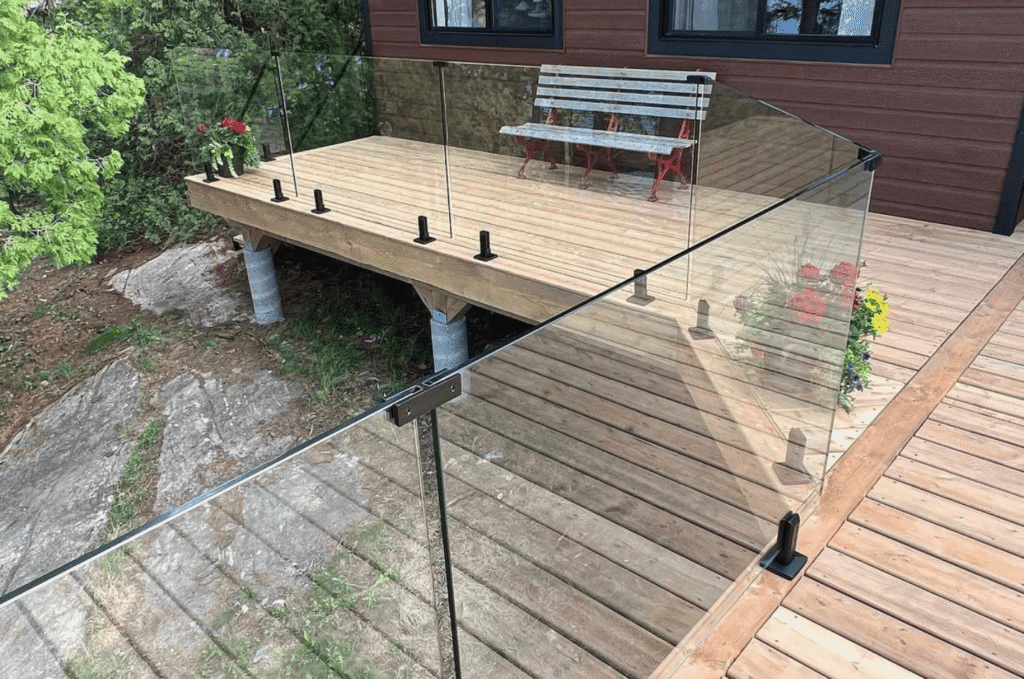
Wind creates multiple forces that outdoor glass railing must withstand safely. When wind encounters glass panels, it generates positive pressure pushing against the surface. Simultaneously, wind flowing around buildings creates negative pressure or suction on the opposite side. These combined forces stress glass panels and mounting systems in ways that engineers must account for during design. The interaction between positive and negative pressures determines overall wind load on glass railing systems in Kirkland.
Several factors affect wind load intensity on glass railing installations. Building height increases wind exposure significantly. Higher elevations experience stronger, more consistent winds than ground-level applications. Location on the building matters as well, with corners and edges experiencing higher wind pressures than mid-wall positions. Surrounding terrain and nearby structures also influence how wind interacts with your outdoor glass railing.
Building Code Requirements
The International Building Code establishes baseline requirements for glass railing wind load capacity. Glass railing systems in Issaquah must withstand specific load combinations including wind pressure, concentrated loads from people leaning against rails, and distributed loads across infill panels. Understanding these requirements ensures your installation meets safety standards.
Concentrated Load Requirements
All glass railing systems must withstand a concentrated load of 200 pounds applied at any point along the top rail. This requirement simulates someone leaning heavily against the railing and applies regardless of wind conditions. The mounting system, posts, and connections must all handle this load without failure or excessive deflection.
Infill Panel Requirements
Glass infill panels must withstand 50 pounds of force distributed over a one-square-foot area. This requirement ensures panels resist impact from objects or people pressing against the glass surface. Combined with wind load requirements, these specifications determine necessary glass thickness and panel sizing for outdoor glass railing Seattle applications.
Safety Factors
Structural engineers apply safety factors to glass railing wind load calculations, typically ranging from 2.5 to 4.0. This means properly designed systems handle loads significantly higher than code minimums before failure. These margins account for unexpected load combinations, material variations, and long-term fatigue from repeated wind cycling. Professional engineering ensures adequate safety margins for your specific installation conditions.
How Wind Load Affects Glass Specifications
Wind load requirements directly influence glass panel thickness for outdoor glass railing installations. Higher wind exposure demands thicker glass panels that resist deflection and stress without breaking. Standard residential glass railing applications typically require minimum three-eighths inch thick glass, while elevated or exposed locations may require half-inch or thicker panels.
Glass type also matters for wind load performance. Laminated glass provides superior wind resistance compared to tempered glass alone because the interlayer maintains barrier integrity even if the glass cracks. The International Building Code requires laminated glass for exterior guards in high wind zones to prevent panels from becoming dangerous projectiles during severe weather events.
Framed Glass Railing Wind Performance
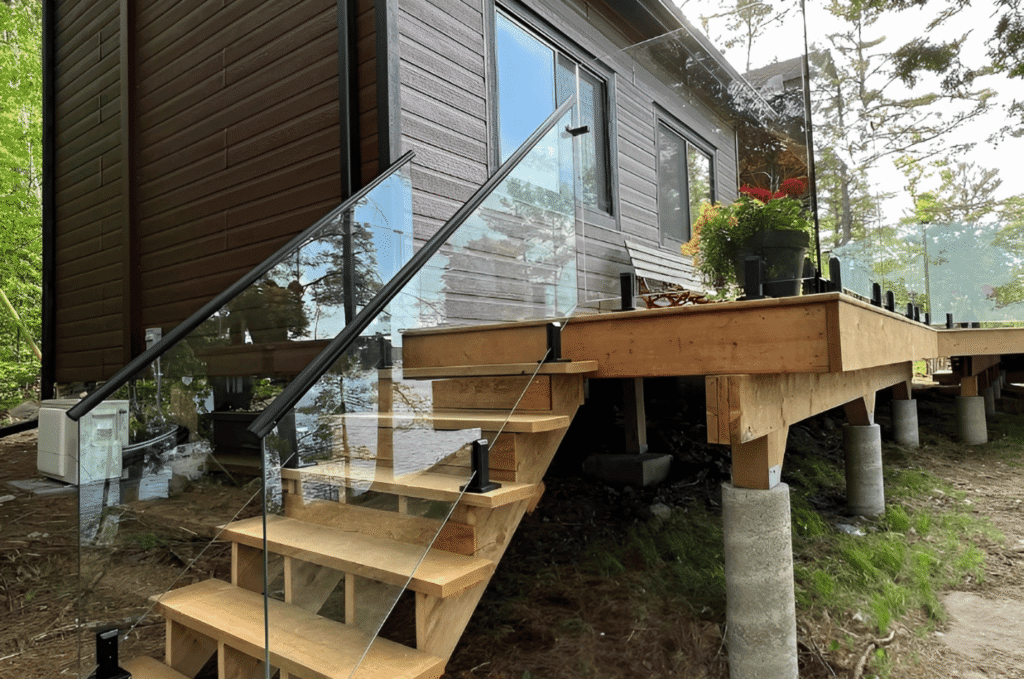
Framed glass railing in Edmonds handle wind loads through their structural framework. Metal posts and rails provide primary resistance to wind forces, transferring loads to mounting points anchored in the building structure. The glass panels in framed systems serve as infill, contributing less to overall wind resistance than the framework itself.
This load-sharing characteristic allows framed glass railing to use thinner glass panels than frameless alternatives while still meeting wind load requirements. Post spacing becomes critical in framed systems. Closer post spacing reduces the unsupported span of glass panels, allowing them to resist wind pressure more effectively.
Frameless Glass Railing Wind Considerations
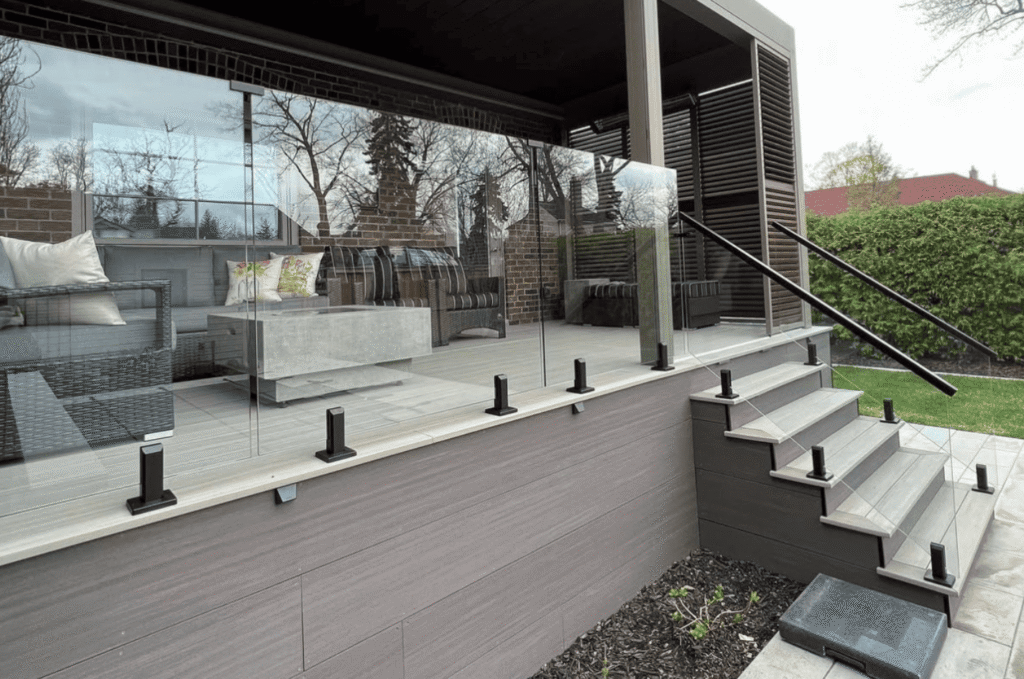
Frameless glass railing presents unique wind load challenges because glass panels provide primary structural resistance. Without posts or frames to share loads, the glass itself must withstand all wind forces transmitted to mounting hardware. Glass railing Seattle installations often specify post spacing based on site-specific wind exposure calculations. This requirement drives specifications toward thicker panels and more robust anchoring systems.
Vibration Considerations
Wind-induced vibration affects frameless glass railing more noticeably than framed systems. Sustained wind causes glass panels to flex slightly, creating visible movement that some homeowners find concerning. While properly designed systems handle these vibrations safely, panel sizing and mounting details can minimize noticeable movement for improved occupant comfort.
Base shoe and spigot mounting systems for frameless glass railing in Bellevue must transfer wind loads effectively to the supporting structure. Engineers calculate anchor spacing and sizing based on expected wind pressures. Elevated applications or exposed locations may require additional anchors or specialized mounting details to achieve required wind load capacity.
Panel width limitations apply more strictly to frameless glass railing in high-wind applications. Wider panels catch more wind and generate higher stresses at mounting points. Maximum panel widths specified in product evaluation reports ensure installations remain within tested and approved wind load parameters.
Seattle Area Wind Considerations
Glass railing Seattle installations face moderate wind exposure compared to coastal or high-rise applications elsewhere. However, waterfront properties, hillside locations, and elevated balconies may experience higher wind pressures requiring enhanced specifications. Local building officials determine applicable wind speed requirements based on site-specific conditions.
Pacific Northwest weather patterns include seasonal storms that test outdoor glass railing wind load capacity. Properly engineered installations withstand these events without damage or safety concerns. Professional installers understand local conditions and specify appropriate glass thickness, mounting details, and hardware for reliable long-term performance throughout the Seattle metro area and surrounding communities.
Engineering and Permits
Many jurisdictions require engineering approval for outdoor glass railing installations, particularly for elevated applications or locations with significant wind exposure. Structural engineers calculate wind loads using methods specified in ASCE 7, the standard reference for minimum design loads. These calculations account for building geometry, height, terrain, and local wind speed requirements.
Product evaluation reports from organizations like ICC-ES document tested wind load capacities for custom glass railing systems. Including these reports with permit applications demonstrates compliance with building code requirements. Reputable manufacturers provide this documentation to facilitate smooth approval processes. These reports specify allowable panel sizes, mounting details, and wind load ratings for each system configuration.
Choosing the Right System
Selecting between framed glass railing and frameless glass railing depends partly on wind load considerations for your specific site. Ground-level installations with minimal wind exposure offer more flexibility in system selection. Elevated balconies, rooftop applications, and exposed waterfront locations may favor framed systems or require enhanced frameless specifications to meet wind load requirements.
Ongoing Maintenance
Regular inspection ensures outdoor glass railing continues meeting wind load requirements throughout its service life. Check mounting hardware annually for loosening, corrosion, or damage. Examine glass panels for chips or cracks that could compromise wind load capacity. Address any concerns promptly to maintain safe performance through seasonal storms and sustained wind exposure.
Professional consultation ensures your outdoor glass railing meets all applicable wind load requirements while achieving desired aesthetics.
Contact Glass Railing Seattle specialists to discuss your project’s specific conditions and receive expert recommendations for systems that perform safely and beautifully through every Pacific Northwest season.