
Many homeowners and even some new contractors make mistakes when installing glass railing which costs time and money. These errors can also create safety problems that put your family at risk.
Whether you want to install glass railing yourself or hire someone, knowing these common mistakes helps you get better results. This guide covers the biggest errors people make during glass railing installation and how to avoid them.
Table of Contents
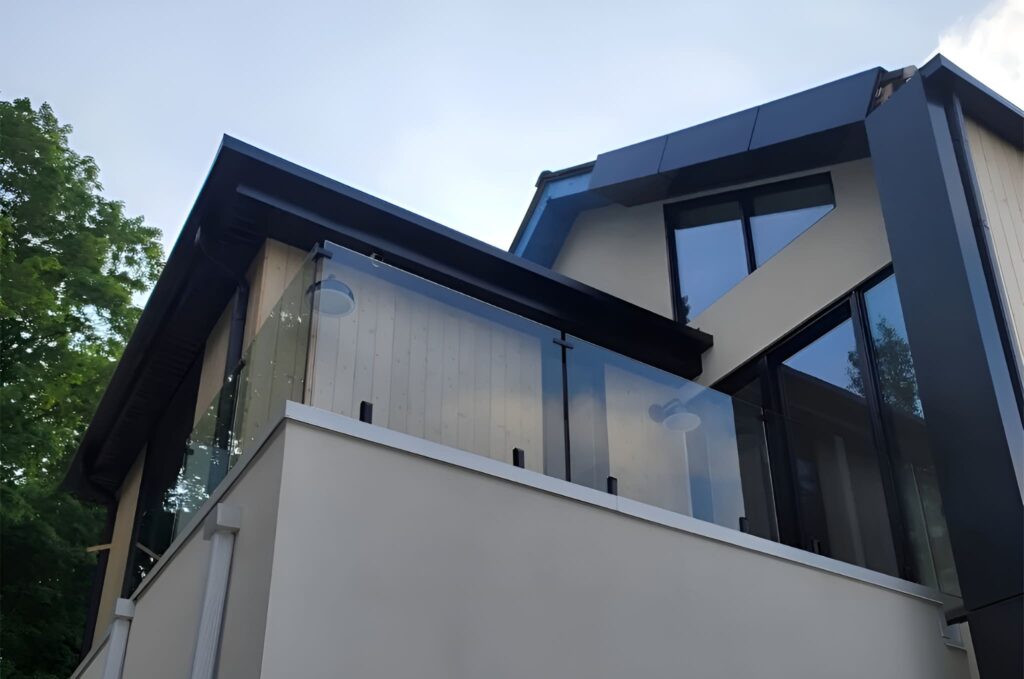
1. Taking Inaccurate Measurements
Poor measurements cause the most problems in glass railing installation. Even a small error of a few millimeters can ruin the whole project. Glass panels that don’t fit properly look bad and may be unsafe.
Many people trust architectural plans without checking actual dimensions. But floors, walls, and stairs often aren’t perfectly level or straight. Older houses of Maple Valley especially have quirks that affect alignment.
Always double-check every measurement before ordering materials. Use professional grade measuring tools and laser levels. A good glass railing installation diagram helps you visualize the project and catch errors early.
2. Choosing the Wrong Glass Type
Not all glass works for railings. Standard annealed glass breaks into dangerous shards. Using it for railings is unsafe and usually against building codes.
Proper glass railing installation requires tempered or laminated safety glass. Tempered glass is four to five times stronger than regular glass. Laminated glass holds together even if it cracks. Most codes require a minimum thickness of 10mm to 12mm depending on the application.
For balcony glass railing installation or glass deck railing installation, thicker glass often performs better against wind loads and impact.
3. Ignoring Building Codes
Building codes exist to keep people safe. Skipping permits or ignoring requirements can lead to penalties, forced removal, or denied insurance claims after accidents.
What is the 4 ball rule for railing? This safety standard says a 4-inch ball should not pass through any opening in the railing. It protects children from squeezing through gaps. Solid glass panels meet this rule easily, but gaps between panels must stay within limits.
Height requirements, load capacity, and spacing rules vary by location. Commercial glass railing installation often has stricter requirements than residential projects. Always check local codes before starting.
4. Using Low-Quality Hardware
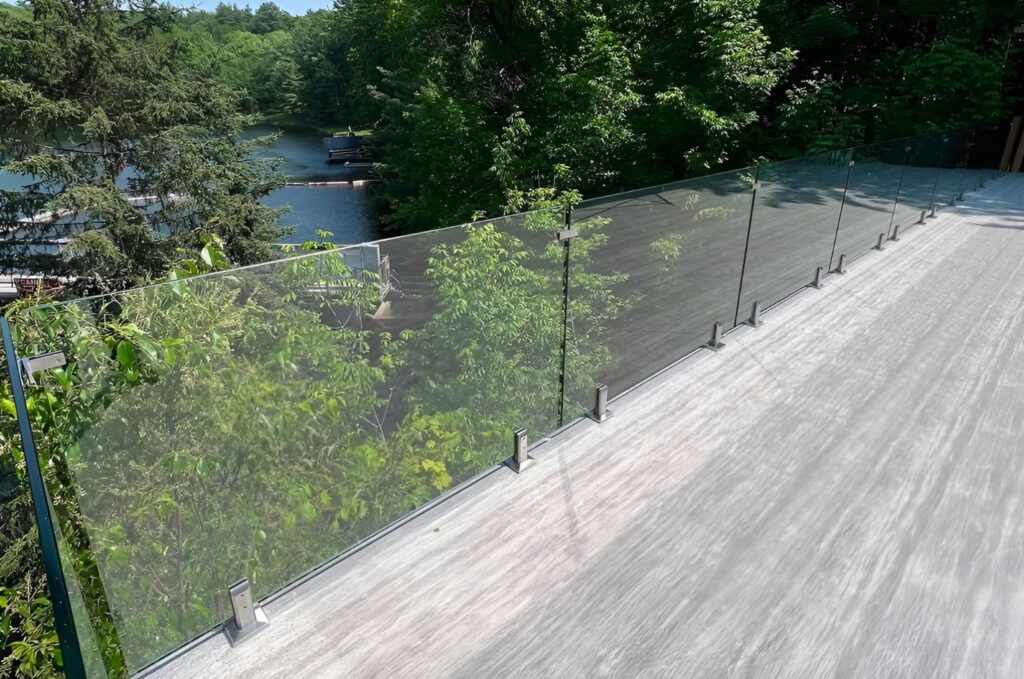
Cheap hardware fails faster. Low-grade spigots, clamps, and bolts can loosen over time. This creates dangerous situations where glass panels become unstable. Quality hardware costs more upfront but lasts much longer. Stainless steel components resist rust and corrosion. This matters especially for outdoor installations exposed to rain and humidity.
Make sure hardware matches the glass thickness you’re using. Mismatched components can cause stress points that lead to cracks or breaks.
5. Inadequate Structural Support
Glass railings put significant stress on mounting points. Without proper support underneath, posts can wobble or even pull free from the deck or balcony. When you install a glass stair railing or any elevated railing, the substrate must handle the load. This often means adding blocking between joists or reinforcing the mounting surface. Deck-mounted posts need solid backing that distributes the weight.
This mistake is especially common in self-made projects. Getting proper support in place before installation prevents expensive fixes later.
6. Forgetting About Thermal Expansion
Glass expands and contracts with temperature changes. Outdoor installations face hot sun in summer and freezing temperatures in winter. Without room for movement, glass can crack from internal stress.
Professional glass railing installation accounts for thermal expansion. Rubber gaskets and proper spacing allow the glass to move slightly without damage. Skipping these details causes problems that may not appear for months or years.
7. Skipping Edge Protection
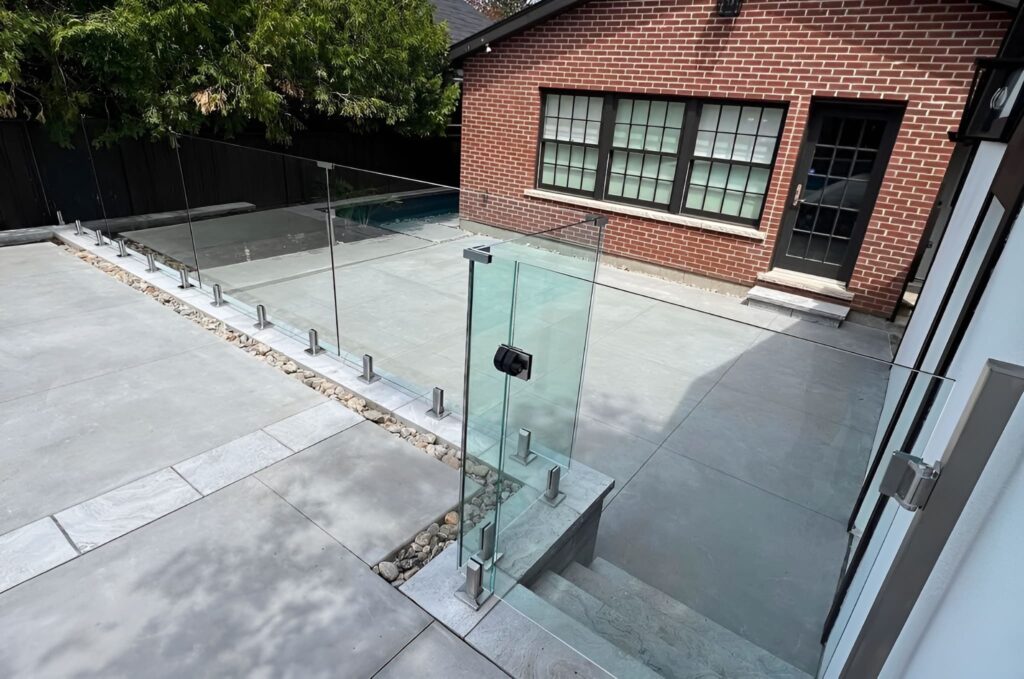
Glass edges are vulnerable to damage from moisture, dirt, and impact. Even polished edges need protection. Skipping sealants or rubber gaskets between panels and hardware causes problems over time.
Proper edge treatment prevents chips that can grow into cracks. It also keeps water from seeping into the mounting system. This simple step extends the life of your entire railing system.
8. Poor Planning for Stair Installations
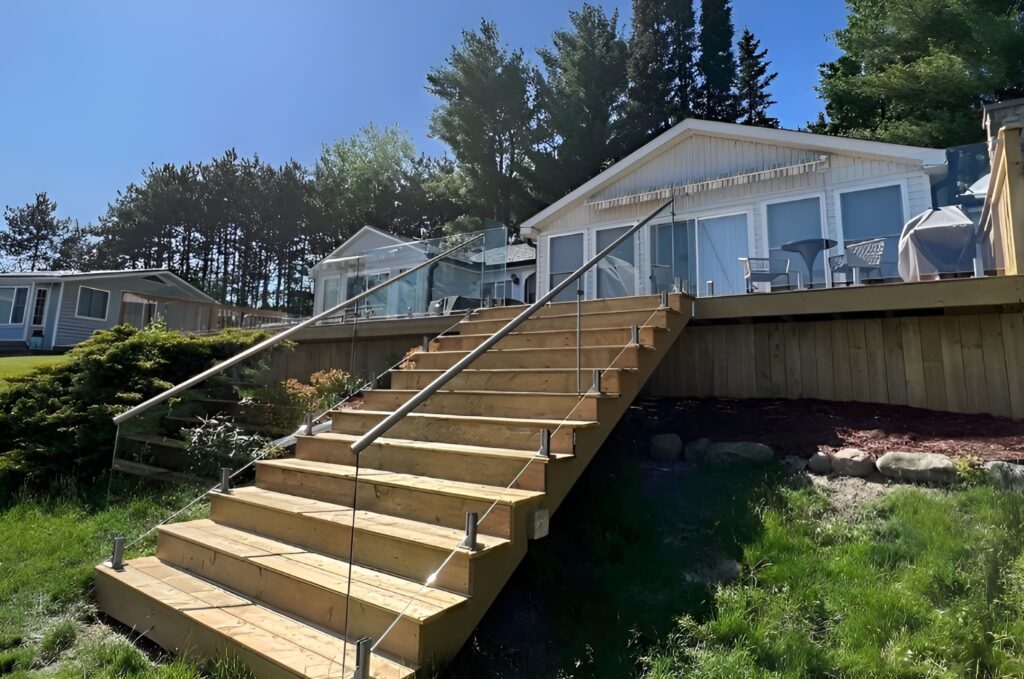
Installing glass railing on balcony areas is straightforward compared to stairs. Stair railings add complexity with angles, varying heights, and alignment challenges. Getting the top rail to look straight across multiple angled posts takes careful calculation. The bottom rail must stay parallel to the steps while posts remain plumb.
Why Professional Installation Makes Sense
Professional glass railing installation from experienced contractors ensures proper technique, code compliance, and warranty protection. Companies specializing in commercial and residential glass railing installation know how to handle unexpected challenges.
Quality installers use heavy-duty tempered or laminated safety glass that exceeds code requirements. They ensure mounting systems remain secure without needing re-tightening or adjustments over time. The result is a beautiful, safe railing that lasts for years.
Get Your Glass Railing Done Right
Avoiding these common mistakes puts you on the path to success. Whether you’re tackling a simple glass deck railing installation or a complex balcony glass railing installation, planning and precision make all the difference.
When in doubt, consult with professionals. Glass Railing Seattle installer helps you choose the perfect system and install glass railing that enhances your home’s beauty and safety for years to come. Schedule consultation today.