
Deck railing height in Seattle is generally a minimum of 36 inches for single-family homes and 42 inches for commercial or multi-family properties, measured straight up from the finished deck surface. The right number depends on the type of building and how the deck is used, and getting it wrong can mean a failed inspection. Because codes are updated over time and local amendments apply, this guide covers the general rules, but you should always confirm current requirements with the Seattle Department of Construction and Inspections. Here is how the 36-inch and 42-inch rules work, which one applies to you, and the other safety details that come with them.
Table of Contents
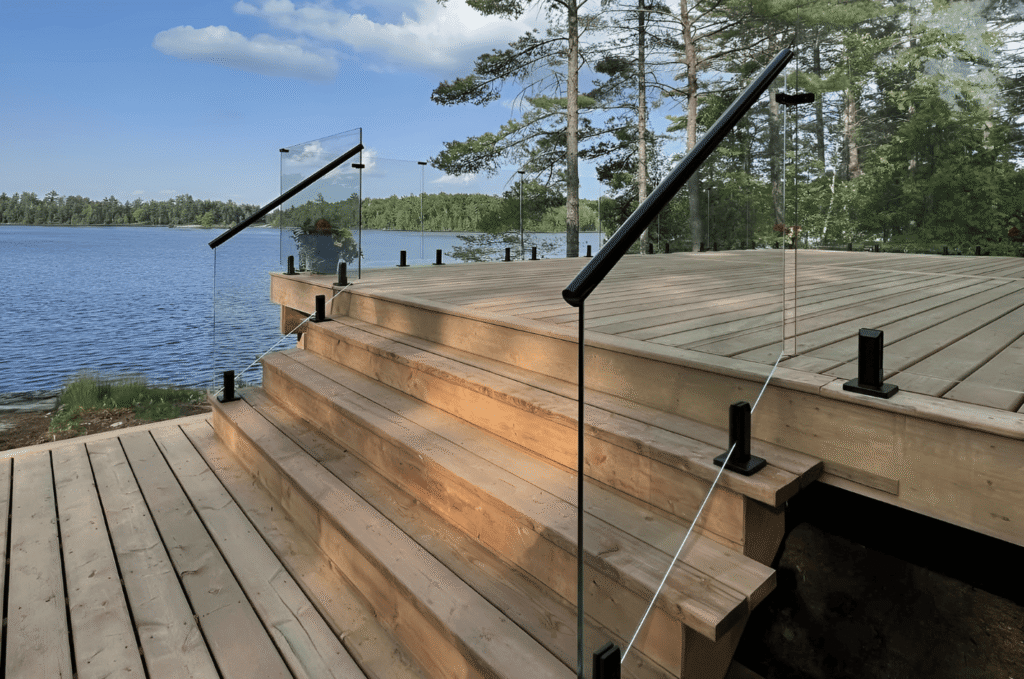
When a Deck Needs a Railing
Not every deck is required to have a railing, so the first question is whether yours needs one at all. The right railing height for deck projects only matters once a guardrail is required. The trigger is how far there is to fall.
The Drop Height Trigger
Any deck surface raised more than 30 inches above the grade or floor below generally must have a guardrail, which covers most elevated glass deck railing projects. Below that height, a railing may be optional, though many homeowners still add one for safety and resale value. The drop is what makes a guardrail mandatory, so a ground-level patio and a raised deck are treated very differently.
How to Measure the Height
Deck railing height is measured vertically from the finished walking surface straight up to the top of the upper rail. Decking thickness and any surface build-up count toward that measurement. Measuring from the wrong starting point is a common mistake, and it can leave a finished railing a hair under code.
Why the Railing Is Required
A guardrail at the correct height is what stops a fall from an elevated deck, which is why homeowners with decks in Kirkland treat the number seriously. The height exists purely for safety, keeping anyone on the deck from going over a low edge. A rail that is too low defeats the purpose and will not pass inspection, no matter how well it is built.
Deck Railing Height: 36 Inches vs 42 Inches
This is the question most homeowners ask, and the answer depends on the property. The standard deck railing height splits between residential and stricter commercial rules. Knowing which bucket you fall into settles the number.
36 Inches: The Residential Standard
A 36 inch deck railing is the baseline for standard single-family homes following the International Residential Code, and our broader Seattle glass railing code guide covers the wider rules. This is the figure most homeowners will use, and it has been the residential baseline for decades. It is the residential default across the region, and the figure most homeowners planning a backyard deck will work with.
42 Inches: The Commercial Standard
A 42 inch deck railing is required for commercial buildings, multi-family structures like apartments and townhomes with shared spaces, and certain jurisdictions with stricter rules. Owners of Mercer Island railings on shared or multi-family properties often fall under this standard. The taller height reflects the higher traffic and greater liability that come with shared and commercial spaces.
How High Should a Deck Railing Be for You
So how high should a deck railing be in your case? For a single-family home it is typically 36 inches, and for anything commercial or multi-family it is usually 42. When in doubt, the higher standard is always the safer choice, and confirming with the city removes any uncertainty.
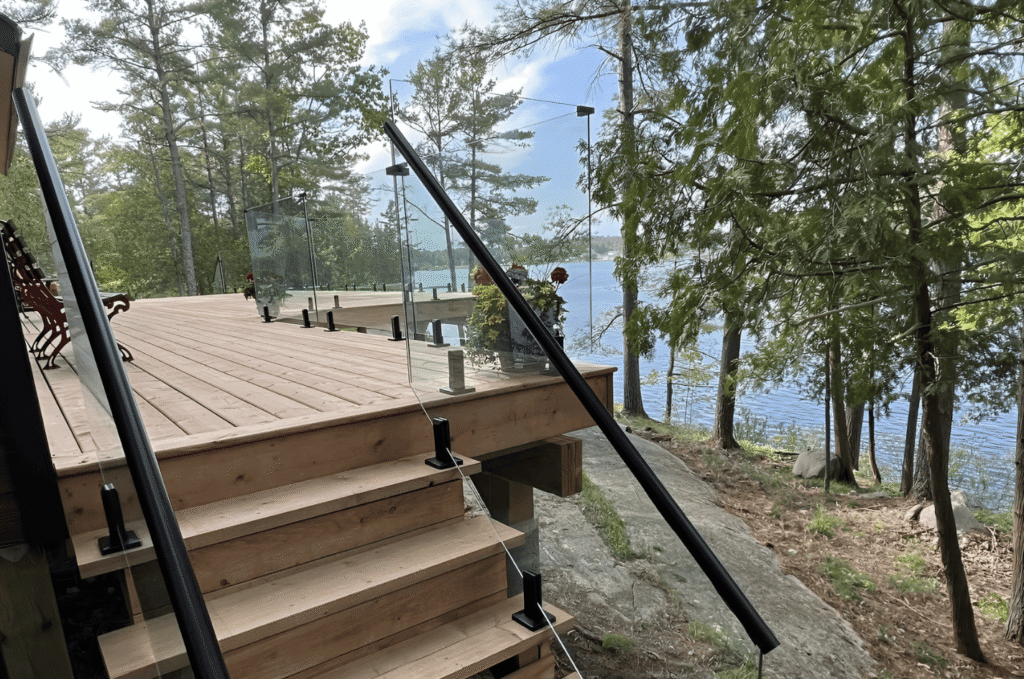
Other Deck Railing Safety Rules
Height is only one part of a compliant railing. A few other Seattle deck railing code rules round out the requirements. These matter just as much to an inspector.
Guardrails Versus Handrails
Guardrails and handrails are different components with different rules, as our guardrail vs handrail guide explains. A guardrail blocks falls, while a handrail gives grip. Many deck projects need both a guardrail along the edge and a handrail on the stairs, each to its own height rule.
Stair Handrail Height
On stairs, handrails must be graspable and sit within a set range measured from the stair nosing, usually between 34 and 38 inches, which our stair handrail height guide details. Decks that include steps have to plan for this separately. Stairs follow their own measurement from the nosing line, which is why deck and stair heights are checked separately.
Baluster Spacing and Load
Openings must follow the four-inch sphere rule, meaning no gap can let a four-inch sphere pass through, and guards must typically resist a 200-pound concentrated load. Homeowners with Redmond deck railings see these details checked closely on stairs and infill. Both the spacing and the load capacity are verified at inspection, alongside the railing height itself.
Why Getting Deck Railing Height Right Matters
A railing that misses the code height is more than a technicality. The correct deck railing height is what keeps a deck safe and a project on schedule. The cost of getting it wrong is real, measured in failed inspections, rebuilds, and safety risk.
Passing Inspection
An inspector measures height, spacing, and load compliance before signing off, so an outdoor glass railing has to hit the numbers exactly. A railing that is even slightly short can fail. Rework after the fact is costly, since correcting height often means resetting posts and panels that were built to the wrong number.
Safety and Liability
A too-low railing is a genuine fall risk and a liability if someone is hurt. Meeting the height is the simplest form of protection. Safety is the whole reason the code exists, and the height requirement is its most basic protection.
Avoiding Costly Rework
Because panels and posts are set to the finished height, fixing a short railing often means rebuilding, which is why owners of panels around Sammamish confirm the number first. Getting it right once is far cheaper than tearing out and rebuilding a railing that missed the mark. Measure twice, build once.
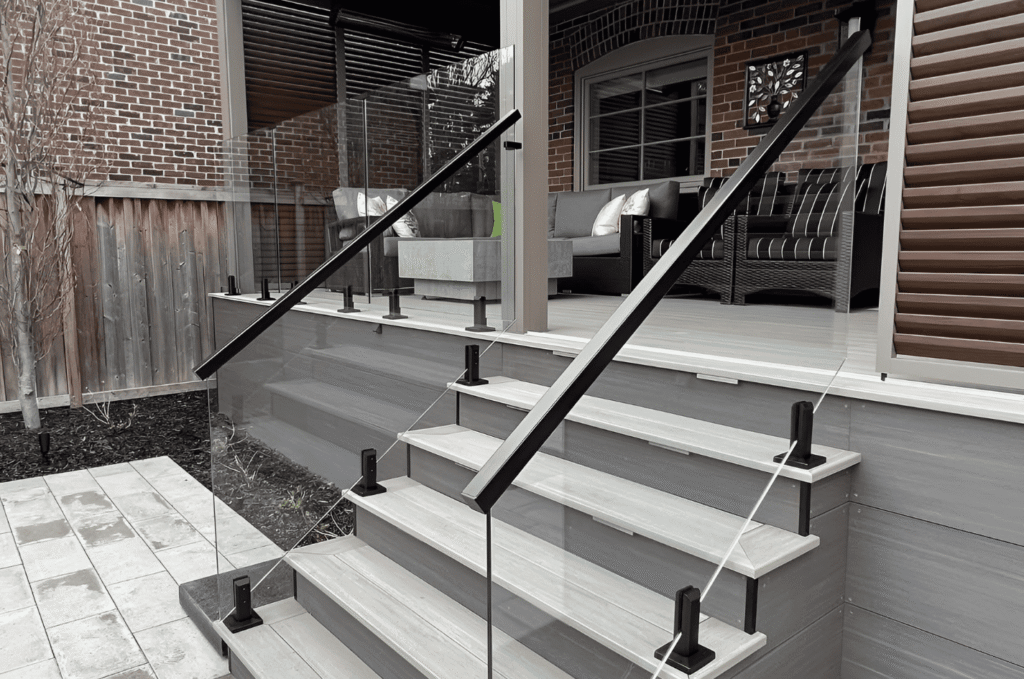
Meeting Deck Railing Height Code the Right Way
The surest way to hit the correct height is to work with specialists who build to Seattle code daily. Experience with the local rules keeps a deck project compliant from design to sign-off.
Why a Professional Gets It Right
A professional designs to the correct height, accounts for decking build-up, and coordinates inspection from the start. That removes the guesswork that trips up DIY builds. Getting it right the first time is the fastest path to approval.
Why Homeowners Trust Glass Railing Seattle
From code-compliant design to final inspection, homeowners rely on the specialists at Glass Railing Seattle to meet every height and safety rule. Focusing only on glass means every railing is built to pass.
Start Your Deck Railing Project
Unsure whether your deck needs a 36 or 42 inch railing? Contact our team for a consultation, and we’ll confirm the right deck railing height and handle your project to code.