
Your deck is strong enough for glass railing only if its posts, joists, ledger board, and hardware are all in solid condition. If any of these elements are compromised, adding glass panels could put both your investment and your family’s safety at risk.
Many homeowners assume that because their deck “feels solid,” it’s ready for an upgrade. But glass railing systems place concentrated loads on very specific points of your deck frame. A deck that handles foot traffic just fine might not handle that kind of pressure without reinforcement.
Before pricing out materials or hiring anyone, it’s worth understanding what your deck actually needs. The sections below walk you through the most important things to check.
Table of Contents
What Makes a Deck Structurally Ready for Glass Deck Railing
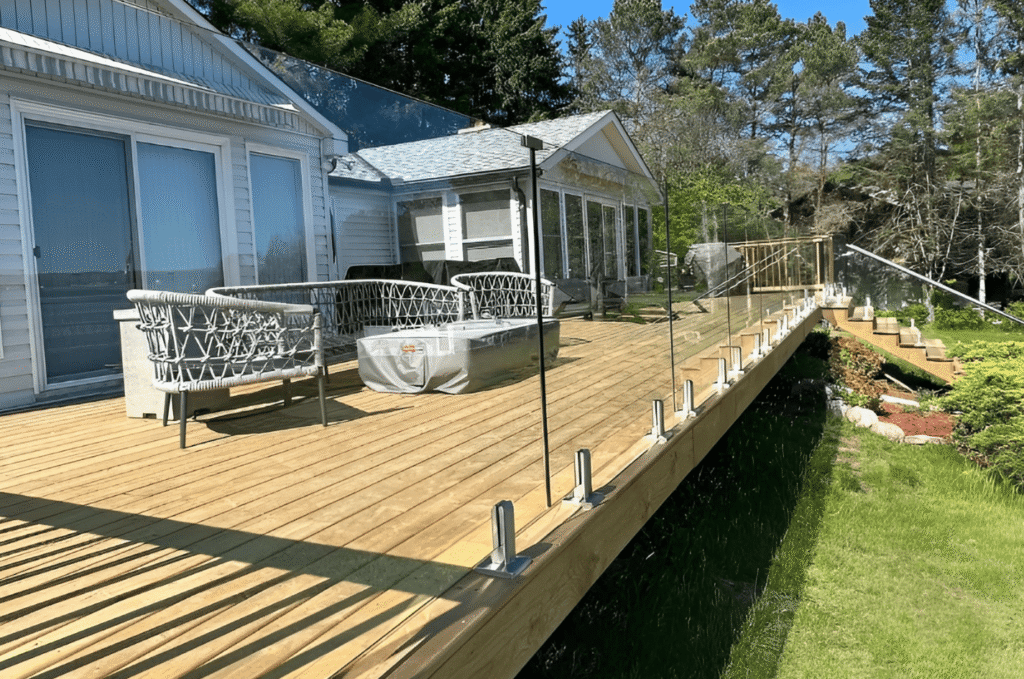
Glass deck railing is heavier and more load-intensive than wood balusters or cable systems. The structural frame underneath has to meet a higher standard before installation can begin.
The framing below your deck is what makes or breaks a safe glass railing installation, so that’s where the evaluation should always start.
Post Condition and Spacing
Deck posts carry the vertical load from your railing system down to the ground. For glass railing, posts need to be free of rot, splitting, or insect damage. Even minor rot at the base can cause a post to fail under the lateral force that glass panels generate.
Posts placed more than 6 feet apart may need additional blocking before work begins. Our team at glass railing Kirkland can walk you through a full structural review before committing to any scope.
Joist Spacing and Ledger Board Integrity
Joists should be spaced no more than 16 inches on center for most glass railing systems. If yours are 24 inches apart, you’ll need to add blocking before installation can move forward.
The ledger board also needs close attention. If it’s pulling away from the wall, showing moisture damage, or was never properly flashed, that has to be resolved first. Our glass railing Mercer Island team regularly helps clients address ledger issues on older decks before any panels go in.
Signs Your Deck May Need Reinforcement Before Glass Railing Installation
Even a deck that looks fine on the surface can have hidden issues that affect glass railing installation. Knowing what to look for helps you catch problems early and avoid costly delays.
Take a slow walk around your deck, press firmly on boards, and look underneath wherever you can before calling a contractor.
Visible Bounce or Flex When Walking
A deck that bounces or flexes under normal foot traffic doesn’t have the rigidity that glass panels require. Glass doesn’t flex. If the deck moves and the railing system doesn’t, something at the connection point will eventually give.
This is often fixable with additional blocking or sister-joisting. Our residential glass railings team can identify these issues and coordinate repairs before installation begins.
Soft Spots or Discoloration in Decking Boards
Soft spots usually mean moisture has gotten into the wood. Press on any discolored or stained areas. If a board compresses more than the others, there’s likely rot underneath that needs to be addressed.
Surface rot doesn’t always mean the structural framing is compromised, but it’s a warning sign. Replacing rotted joists or beams needs to happen before any glass railing panels go in. Our glass railing Fremont team regularly catches these issues during pre-installation walkthroughs.
Loose or Corroded Hardware
Check every visible bolt, screw, and hanger bracket under your deck. Hardware that’s loose, rusty, or corroded should be replaced before installation. Joist hangers and post bases are often the first to show corrosion in Pacific Northwest climates, especially on decks more than 10 years old. Homeowners in glass railing Magnolia frequently find corroded hardware during pre-installation reviews on waterfront properties.
How Frameless Glass Railing Differs from Traditional Systems
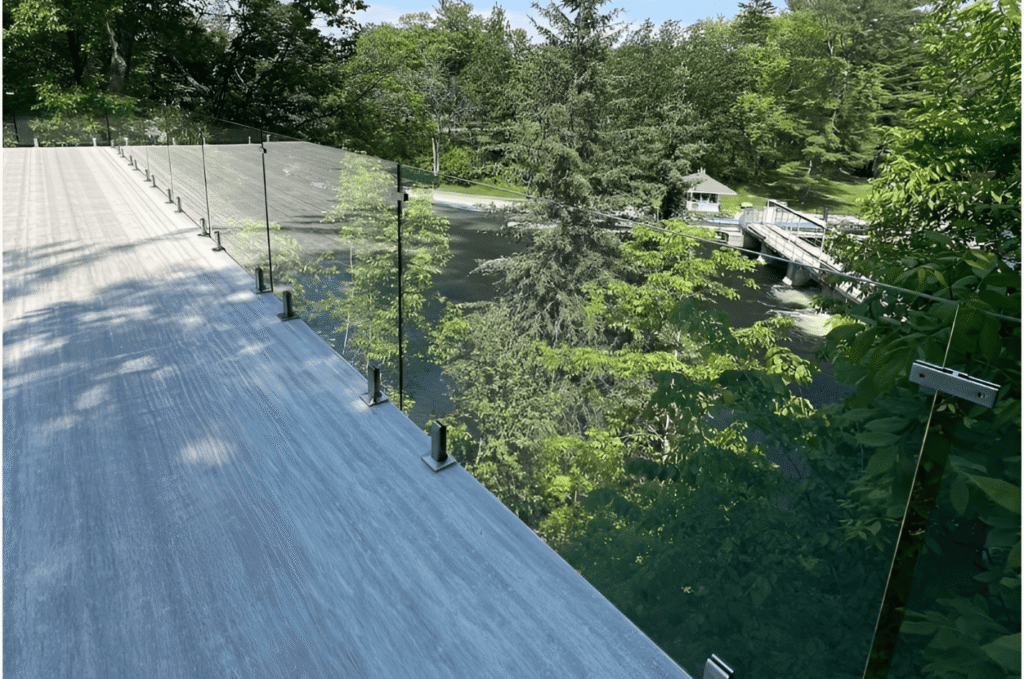
Frameless glass railing is the most popular choice for modern decks, but it places structural demands that standard wood or cable systems don’t. Understanding the difference helps you prepare your deck correctly.
Frameless systems are elegant, but they’re also more demanding on your deck frame than most homeowners expect.
Load Distribution in Frameless Systems
Traditional railing systems spread load across many posts and balusters. Frameless glass railing concentrates load at fewer anchor points, so each base shoe or standoff mount carries significantly more force.
This means the framing directly below each mount point needs to be in excellent condition. Our guide on glass railings in Seattle covers local code requirements and what structural conditions installers look for before they start.
Surface Flatness and Deck Board Condition
Frameless glass panels require a flat, stable mounting surface. Warped or cupped boards prevent the base channel from sitting flush, which creates both a visual gap and a structural weak point.
Boards with significant warping should be replaced or planed flat before installation. Our glass railing Bellevue team handles board prep as part of the pre-installation process on older treated-wood decks.
How to Prepare Your Deck for Glass Deck Railing Installation
Once you know your deck’s condition, preparation is straightforward. Most decks need only minor work, but the order matters. Structural work always needs to come before cosmetic repairs.
Skipping this step is the most common reason glass railing projects run into delays or unexpected costs.
Address Structural Issues Before Cosmetic Ones
Reinforcing joists or replacing a post after new decking is already down means redoing surface work you already paid for. Get the structural assessment done first.
Our post on finding a glass railing contractor walks through the right questions to ask and what a thorough pre-installation assessment should cover.
Clean and Inspect All Connection Points
Once structural work is done, remove old caulk, check for gaps where water could enter, and apply fresh sealant. Water infiltration at connection points is the leading cause of premature deck deterioration in the Pacific Northwest.
Our guide on hiring a glass railing installer gives you a detailed picture of the pre-installation checklist a qualified team should follow on every project.
When to Call a Professional for a Deck Structural Assessment
Some deck issues are easy to spot, and some require a trained eye. Knowing when to bring in a professional saves you time, money, and the risk of installing glass railing on a deck that isn’t ready.
If you’ve done a visual check and still aren’t confident in what you’re seeing, that’s the signal to call someone who works with these systems every day.
What a Professional Assessment Covers
A qualified contractor checks framing, post connections, ledger attachment, and hardware condition. They confirm whether your deck meets the load ratings required for glass railing and flag anything that could complicate the installation.
Our team at Glass Railing Seattle serves neighborhoods throughout King County and is available for on-site assessments before any work begins.
What an Assessment Saves You Long Term
A professional assessment costs a fraction of what unplanned mid-project repairs would. Discovering a rotted post or failing ledger after installation has started means halting the job, sourcing materials, and redoing completed work. Getting it right from the start protects both your timeline and your budget.
When you’re ready to find out whether your deck can support a glass railing upgrade, we’re here to help. Contact us today to schedule a deck assessment and make sure your project starts on solid ground.