
The most common glass deck railing problems Seattle homeowners face are loose panels, cracked or cloudy glass, corroded hardware, and water-related wear driven by the region’s damp climate. A glass deck railing looks effortless when it’s new, but Seattle’s rain, salt air, and temperature swings put steady pressure on every panel and fastener. Knowing which issues show up most often, and why, helps you catch small problems before they turn into costly repairs. Here are the ones we see again and again on local decks.
Table of Contents
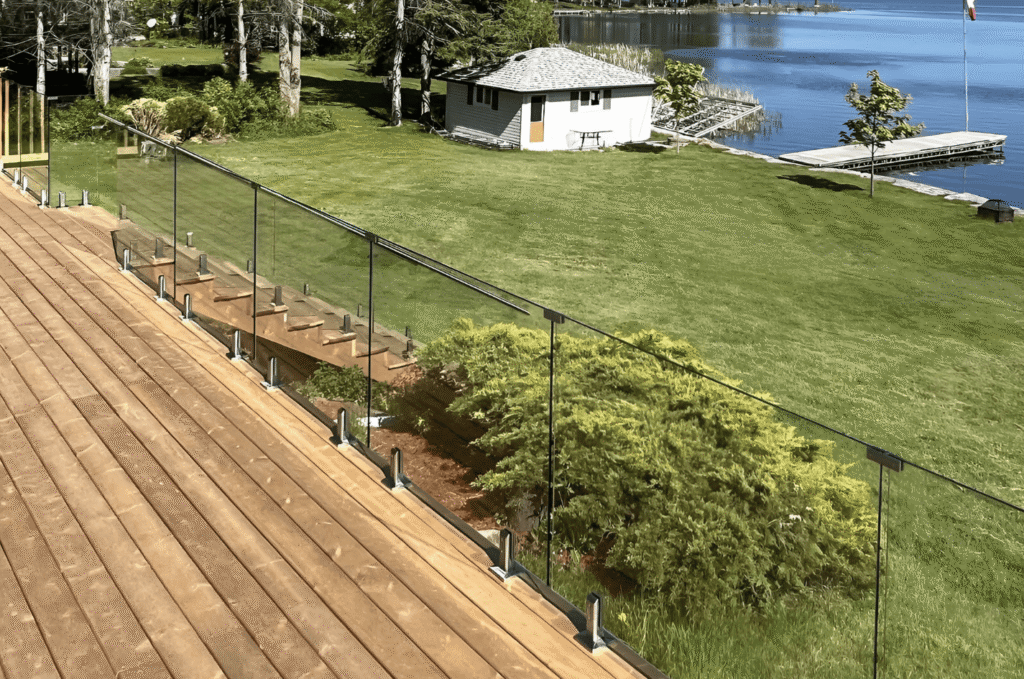
Loose or Shifting Glass Deck Railing Panels
Few things unsettle a homeowner more than a panel that wobbles underfoot. Loose panels are among the most common glass deck railing problems, and they almost always trace back to hardware rather than the glass itself. Here’s what tends to cause the movement.
Worn or Loosened Hardware
Clamps, spigots, and base shoes loosen over time as the deck flexes and the seasons change. When the fasteners holding a panel back off even slightly, the glass starts to rock. Our guide on loose glass panels walks through why this happens and how the hardware is re-secured. Left alone, a slightly loose panel only works itself looser with every gust of wind and passing footstep.
Deck Movement and Settling
Sometimes the panel isn’t the problem, the deck underneath it is. As footings settle, posts shift and pull anchor points out of alignment, which is common on older decks in Bellevue homes. A shifting frame transfers stress straight into the glass mounts.
Improper Original Installation
Panels that were never anchored correctly tend to loosen fast. Skipped blocking, the wrong clamps, or under-torqued bolts all lead to early movement, as we cover in our breakdown of railing installation problems. Fixing the root cause matters far more than simply retightening.
Cracked, Chipped, and Cloudy Glass Panels
Glass is tough, but it isn’t indestructible. Cracks, chips, and cloudiness are glass deck railing problems that affect both safety and appearance. Understanding the causes helps you know when a panel truly needs replacing.
What Causes Glass to Crack
Tempered glass can fail from edge damage, thermal stress, or a rare defect called nickel-sulfide inclusion. Impacts near the corners are especially risky, and our article on glass railing cracks explains each cause in detail. Once a tempered panel cracks, it must be replaced rather than repaired, since the whole sheet loses its rated strength the moment it fractures.
Foggy or Stained Panels
Cloudiness usually comes from hard-water spots, trapped moisture, or mineral buildup rather than the glass wearing out. On exposed decks, an outdoor glass railing takes the brunt of rain and sprinkler spray, which leaves a stubborn film if it isn’t cleaned. Regular rinsing keeps panels clear.
Scratches and Surface Wear
Grit, patio furniture, and abrasive cleaners leave fine scratches that dull the glass over time. Frameless designs show these marks more than framed ones because the entire panel is on display. Gentle tools and non-abrasive products prevent most surface wear, and a soft microfiber cloth is usually all a glass panel really needs.
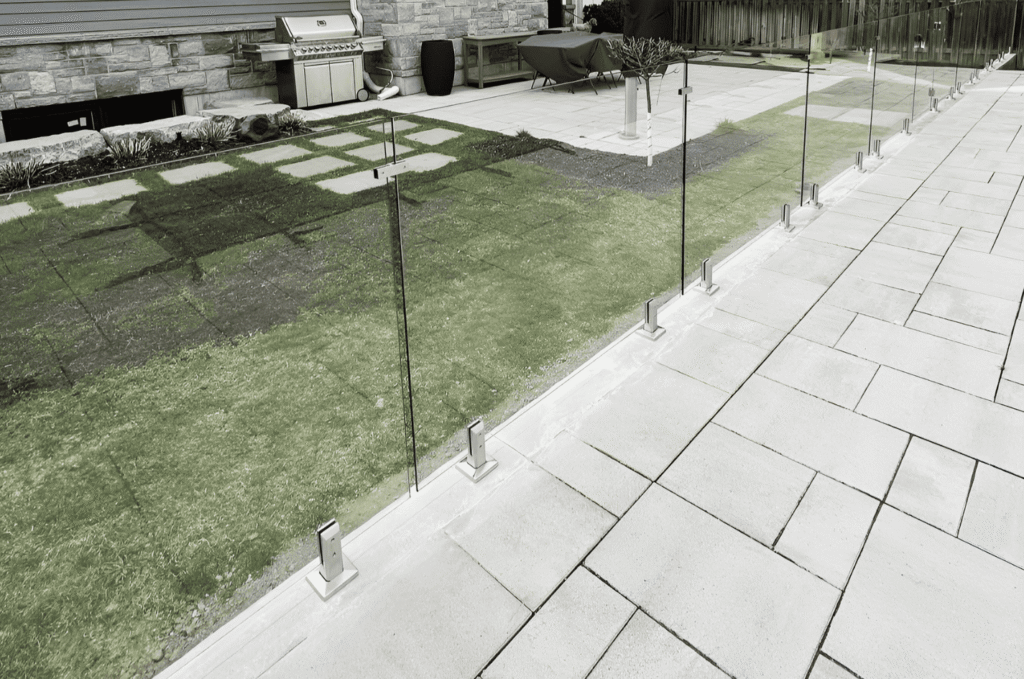
Glass Railing Hardware Issues and Corrosion
The hardware holding your railing together does quiet, constant work. When it corrodes or wears out, glass railing hardware issues can turn a solid system into a wobbly one. Seattle’s moisture makes this category especially worth watching.
Rust and Corrosion in Wet Climates
Constant damp is hard on metal, and low-grade fittings rust faster than most homeowners expect. Decks throughout Seattle benefit from marine-grade stainless or powder-coated aluminum that resists the region’s persistent moisture. Upgrading corroded hardware restores both strength and looks.
Failing Gaskets and Seals
Rubber gaskets and setting blocks cushion the glass inside its channel, but they harden and shrink with age. Once they fail, panels rattle and water seeps into the base. Replacing worn seals is a small, inexpensive job that prevents much bigger structural problems down the line. It also stops the faint rattling sound that often gives a failing gasket away.
Loose Standoffs and Clamps
On a glass deck railing, standoffs and clamps carry real load, so they need periodic checks. A frameless glass railing relies entirely on these small fittings, which means one loose clamp can compromise a whole run. A quick seasonal tightening keeps everything secure.
Outdoor Glass Railing Problems from Seattle Weather
Seattle’s climate is beautiful but demanding. Outdoor glass railing problems often come down to relentless exposure: rain, wind, and temperature swings that indoor railings never face. Elevated and waterfront decks feel it most.
Water Pooling and Drainage
Base shoe systems can trap water when their drainage weep holes clog with debris. Standing water accelerates corrosion and can freeze in winter, stressing the channel. Keeping drainage paths clear is one of the simplest ways to extend a railing’s life. A quick check each season, especially after leaves fall, keeps water moving where it should.
Wind Load on Elevated Decks
Higher decks and balconies catch far more wind, which flexes panels and works fasteners loose. A purpose-built glass balcony railing is engineered for that extra load, so it holds firm where a basic deck rail might loosen. Height changes the demands on every connection.
Temperature Swings and Expansion
Glass and metal expand and contract at different rates as temperatures rise and fall. Over seasons, that movement loosens fittings, a pattern installers see on exposed decks in Kirkland. Proper gaskets and spacing absorb the shift and protect the panels.
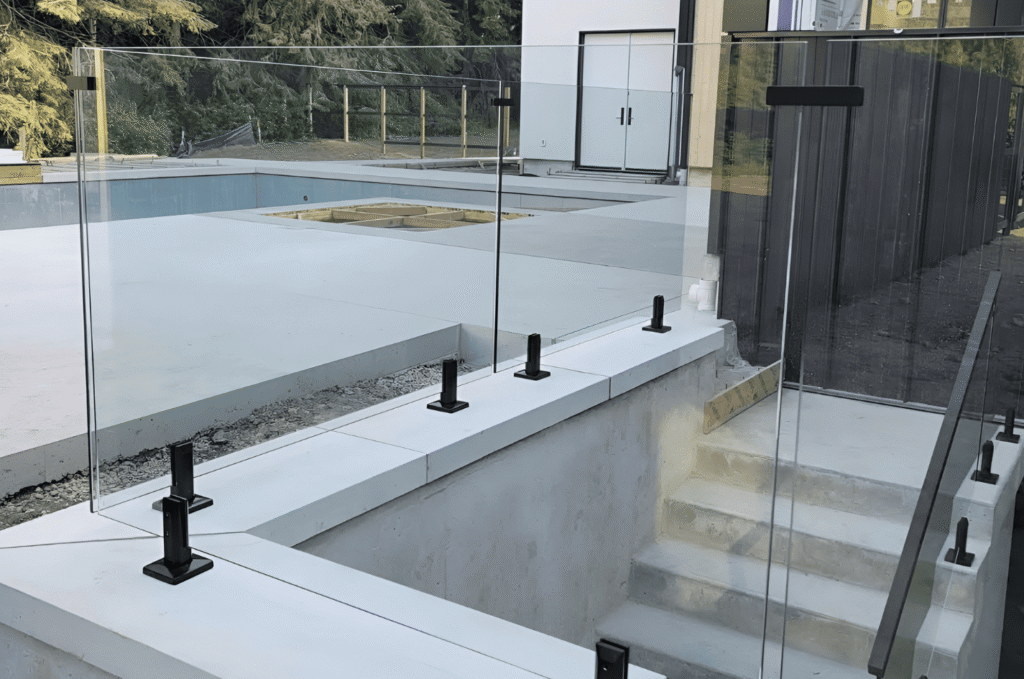
Glass Deck Railing Maintenance and When to Call a Pro
Most problems on this list are preventable with a little routine care. Good glass deck railing maintenance catches small issues early, but some repairs are best handled by specialists. Here’s how to tell the difference.
Simple Upkeep That Prevents Problems
A seasonal rinse, a check of every clamp, and a look at the seals prevent the majority of failures. Homeowners on newer decks in Redmond often keep panels flawless for years with just this basic glass deck railing maintenance routine. Consistency matters more than intensity.
Repairs Best Left to Specialists
Cracked panels, structural shifting, and corroded hardware call for professional repair rather than a quick fix. The specialists at Glass Railing Seattle focus only on glass systems, so they diagnose the real cause instead of masking the symptom. Matching the repair to the problem keeps your railing safe long-term.
Get Your Deck Railing Checked
Noticing loose panels, foggy glass, or rusty fittings on your deck? Contact our team for a free inspection, and we’ll pinpoint the issue and recommend the right fix for your Seattle deck.