
Glass railing design approval typically involves submitting shop drawings, receiving engineering review, requesting revisions, and getting final sign-off before fabrication begins. Most residential projects go through one to three revision rounds, while commercial installations may require additional review cycles due to stricter code requirements. Understanding how each stage works can help you avoid delays and unexpected costs.
Whether you are upgrading a staircase, enclosing a balcony, or adding glass panels to a new deck, the glass railing design approval phase is one of the most critical parts of the entire timeline. This guide walks you through every stage so you know exactly what to expect.
Table of Contents
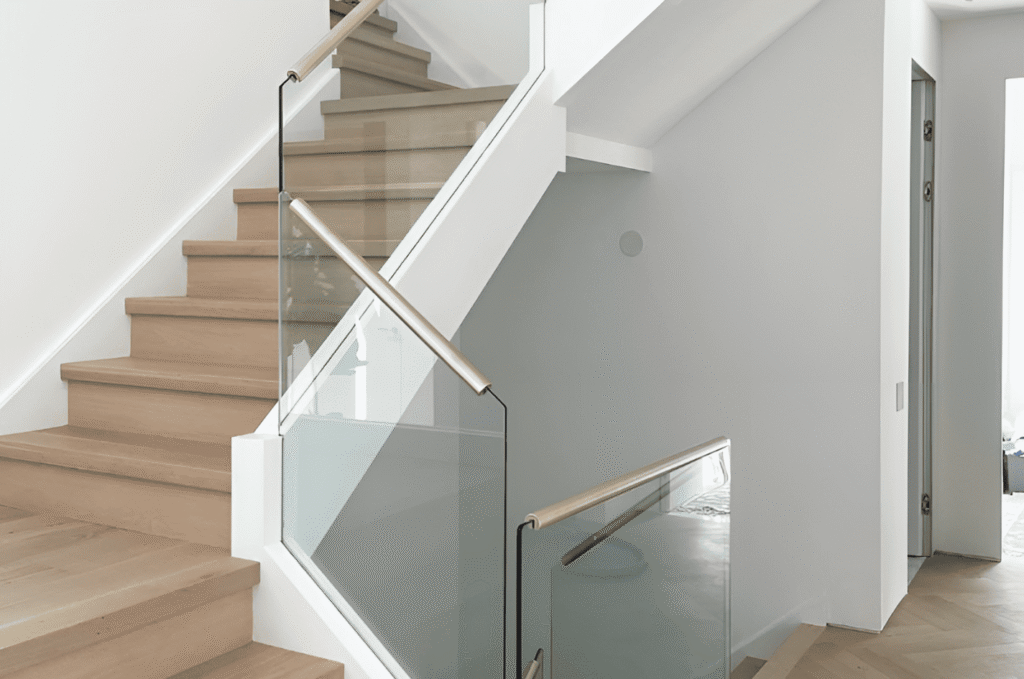
What Happens During a Glass Railing Design Review
The glass railing design review is the first formal checkpoint after your initial consultation. Before any materials are ordered or glass panels are cut, your installer needs to confirm that the proposed glass railing system meets both your aesthetic preferences and local building requirements.
During this stage, your contractor translates on-site measurements and design conversations into detailed documentation that becomes the basis for engineering analysis, permit submissions, and fabrication.
Initial Site Assessment and Measurements
Everyglass railing design approval starts with a thorough site visit. The installation team measures each railing run, checks the substrate material where posts or channels will mount, and identifies structural conditions that could affect hardware placement. For deck railing projects, this includes evaluating joist spacing, ledger board condition, and waterproofing layers.
Accurate measurements are critical because glass panels are custom-fabricated to precise dimensions. Even a quarter-inch discrepancy can result in panels that do not fit, meaning reordering and additional wait time.
Translating Measurements Into Design Documents
Once measurements are complete, the design team creates preliminary layout drawings showing glass panel locations, post or channel positions, and hardware specifications. These documents also note the glass type, which for most guard applications must be laminated safety glass.
The preliminary layout is your first opportunity to review the proposed design and flag concerns. If you are working with a commercial glass railing system, the documents will also address load calculations and ADA compliance where applicable.
How Glass Railing Shop Drawings Guide the Build
Glass railing shop drawings are the detailed technical blueprints that bridge the gap between your approved design concept and actual fabrication. Unlike preliminary layouts, shop drawings include exact dimensions, material callouts, hardware specifications, and mounting details that fabricators rely on to build your system correctly.
These drawings go through a formal review cycle before any cutting or welding begins. The glass railing shop drawing approval stage exists specifically to catch errors and give you a final chance to request changes before materials are ordered.
What Shop Drawings Include
A complete set of glass railing shop drawings covers elevation views, plan views showing the layout from above, and section views that reveal how components connect to the building structure. Hardware placement, anchor bolt patterns, and sealant specifications are all documented.
For homeowners in the Seattle area, shop drawings must also reflect local amendments to the International Building Code, including guard height requirements of 36 inches for residential decks and 42 inches for commercial applications.
How to Review Shop Drawings Effectively
When you receive shop drawings for review, compare them against your initial consultation notes. Verify that glass panel dimensions match the intended spaces, confirm that the mounting method suits your substrate, and ensure the hardware finish is correct. Ask about anything unfamiliar before you sign off.
Changes made after glass railing shop drawing approval can significantly extend lead times and add costs. Take the time to review carefully, and consider how this step fits into your broader project timeline.
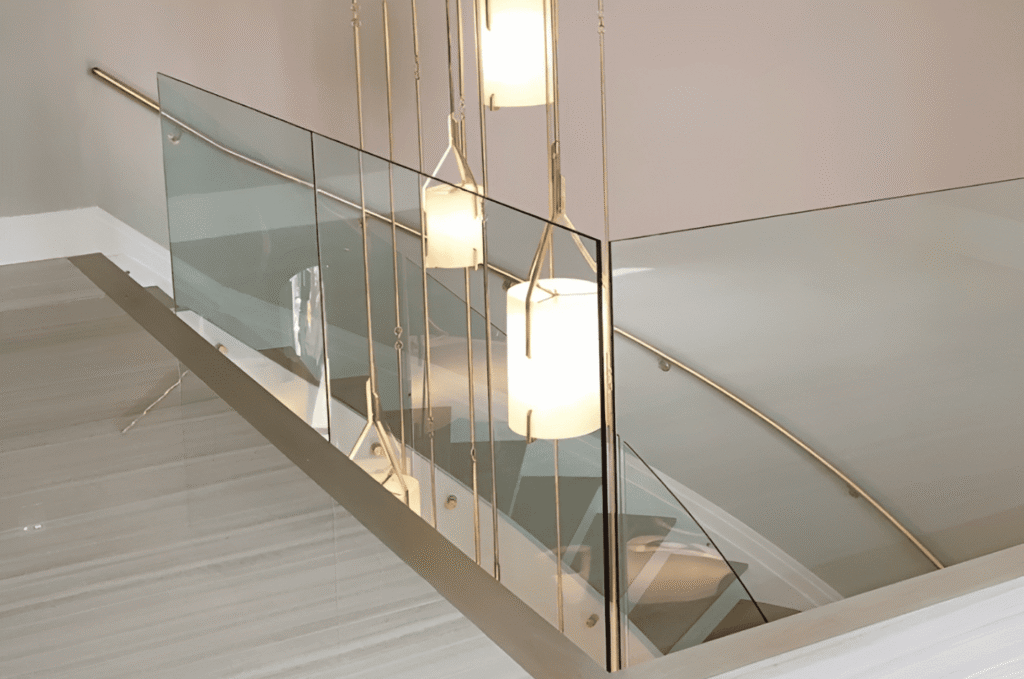
Glass Railing Engineering Approval and Code Compliance
Glass railing engineering approval ensures that your system is structurally sound and compliant with applicable building codes. A licensed engineer reviews the proposed design, performs load calculations, and confirms that the system can withstand the forces specified by local and national codes.
Without proper engineering sign-off, your project could fail inspection, resulting in costly modifications or complete reinstallation.
Structural Load and Safety Calculations
Building codes require glass guard systems to resist specific forces. The top rail must withstand 200 pounds of concentrated force in any direction, and infill panels must handle 50 pounds distributed over one square foot. The engineer verifies that your selected glass thickness and mounting hardware meet these thresholds.
For properties in the Kent area and surrounding King County communities, your engineer also reviews wind load requirements for exposed exterior installations.
Permit Submission and Inspector Coordination
Once the engineering review is complete, the approved drawings and structural calculations become part of your permit application. Most jurisdictions require permits for glass railing installations on surfaces more than 30 inches above grade.
Your installer should handle permit coordination as part of their scope of work. Visiting a nearby showroom before committing to an installer gives you a chance to evaluate their materials and ask about their permit experience firsthand.
Glass Railing Revisions: What to Expect at Each Stage
Glass railing revisions are a normal part of the design approval process. Very few projects move from initial drawings to final approval without at least one round of changes.
Revisions can originate from the homeowner, from the engineer reviewing structural details, or from the building inspector reviewing the permit application. Each type has different implications for cost and timeline.
Homeowner-Requested Design Changes
The most common glass railing revisions come from homeowners who want to adjust panel sizes, change hardware finishes, modify post placement, or alter the top rail configuration. These changes are easiest to accommodate during the shop drawing review phase, before fabrication begins.
Typical requests include switching from a framed to a frameless system or relocating a post to avoid interfering with a doorway. If you are installing indoor glass railings across multiple areas of your home, consolidating all revision requests into a single round saves significant time.
Engineer or Inspector-Driven Revisions
Sometimes revisions are required by the structural engineer or building inspector. These typically involve increasing glass thickness, adding a top rail where code requires one, or adjusting post spacing to meet opening limitations.
Engineer-driven glass railing revisions tend to be more technical and may affect both cost and appearance. Your installer should explain the reason for each revision and present options where alternatives exist.
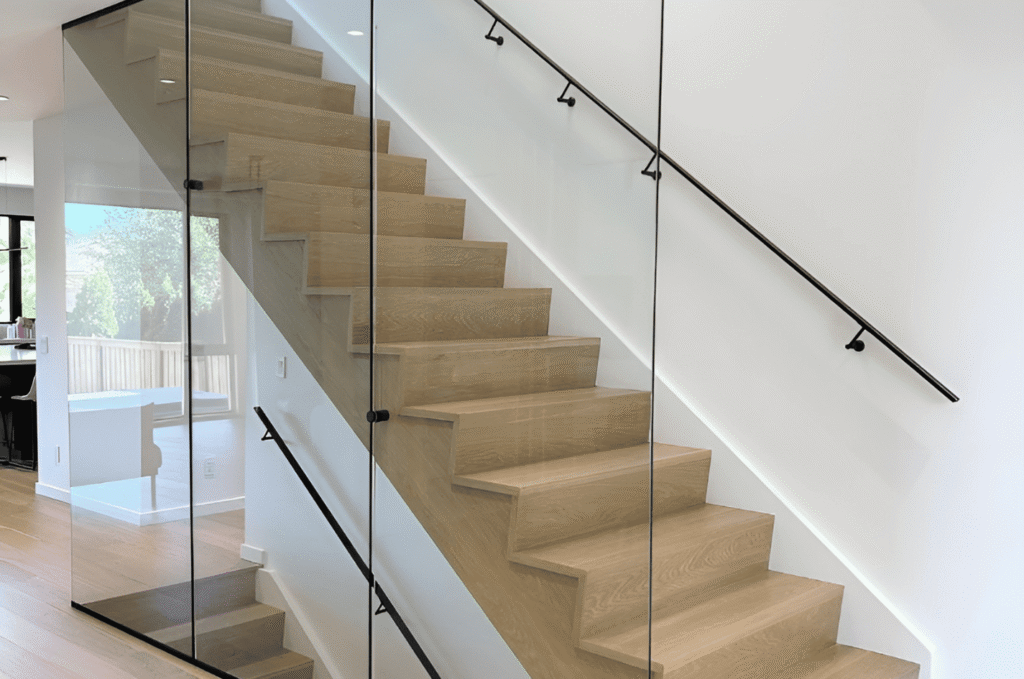
Glass Railing Design Approval Steps From Start to Finish
Understanding the full sequence of glass railing design approval steps helps you see how each phase connects and where delays most commonly occur. The overall flow is largely linear, meaning each step depends on the successful completion of the one before it.
Knowing what comes next at each stage keeps communication clear between you, your installer, and any engineers or inspectors involved.
The Typical Approval Sequence
The glass railing design approval process follows a predictable path: site visit and measurements, preliminary design, detailed shop drawings, engineering review, your sign-off, and then the permit phase. Only after all approvals are secured does fabrication begin.
Most residential projects complete the entire approval sequence in two to four weeks, assuming timely communication and no major revisions. Commercial projects with multiple railing runs, complex geometries, or higher code requirements may take longer.
Avoiding Common Delays
The most frequent causes of delay are slow communication, incomplete site information, and last-minute design changes. Responding promptly when your installer sends drawings for review and making design decisions before the shop drawing phase begins both help keep things moving.
Another common delay occurs when homeowners approve shop drawings without carefully reviewing them. Your final walkthrough after installation is the last quality check, so catching issues during glass railing design approval is always preferable. Your installer should also walk you through what to look for once the railing is fully installed, we cover this in detail in our upcoming guide on final walkthrough inspections.
Glass Railing Seattle specializes in custom glass railing systems for residential and commercial properties across the greater Seattle area. From design and engineering to fabrication and installation, our team handles every step of the process in-house. Contact us to start your project today.