
Not all glass railings mount the same way. The mounting type you choose affects how your railing looks, how strong it is, and where you can install it. Understanding these differences helps you make a smarter choice for your home.
Modern residential glass railing systems come in five main mounting types. Each has its own strengths and ideal uses. Whether you’re looking at frameless glass railing options or prefer a framed glass railing design, this guide covers everything you need to know.
Table of Contents
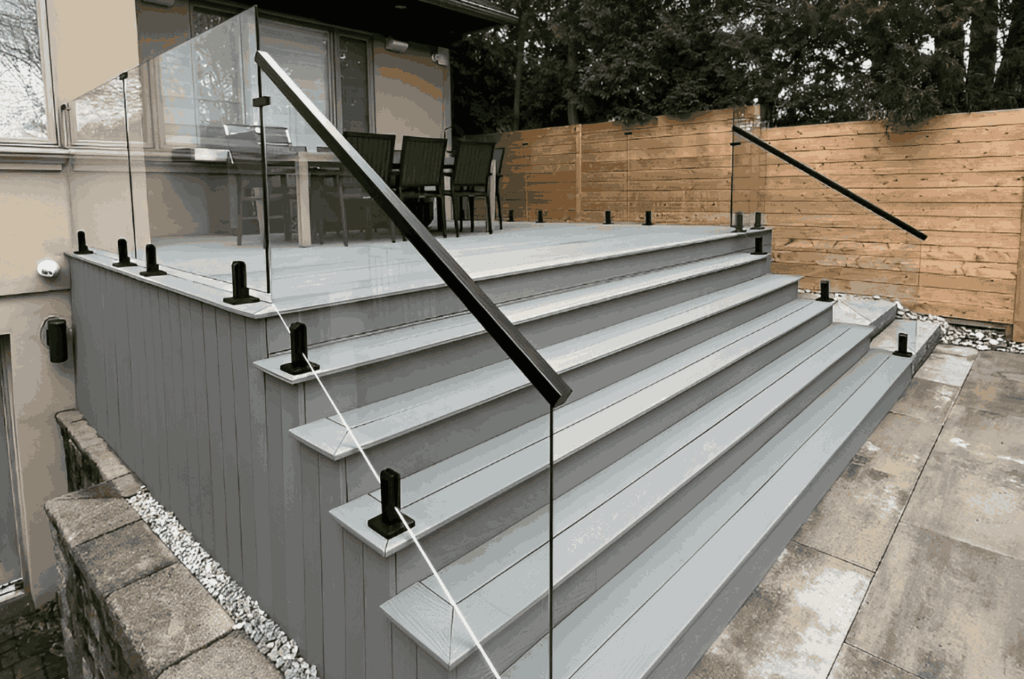
1. Base Shoe Mounting
Base shoe mounting uses a metal channel at the floor or deck surface. The glass panel slides into this channel and locks in place. No posts interrupt your view. No top rail blocks the glass edge. Just clean, clear glass rising from the surface.
Best Use of Base Shoe Glass Railing
This frameless glass railing style works beautifully for types of glass railing for balcony applications and outdoor glass railing types on decks. The unobstructed views make it perfect for homes with scenic surroundings. Pool areas also benefit from base shoe systems because they provide safety without blocking sightlines.
Base shoe offers the most minimal look of all mounting types. The glass appears to float up from the floor. Cleaning is easy because there’s no hardware cluttering the glass surface. This exterior glass railing type also handles weather well when properly installed.
2. Standoff Clamps Mounting
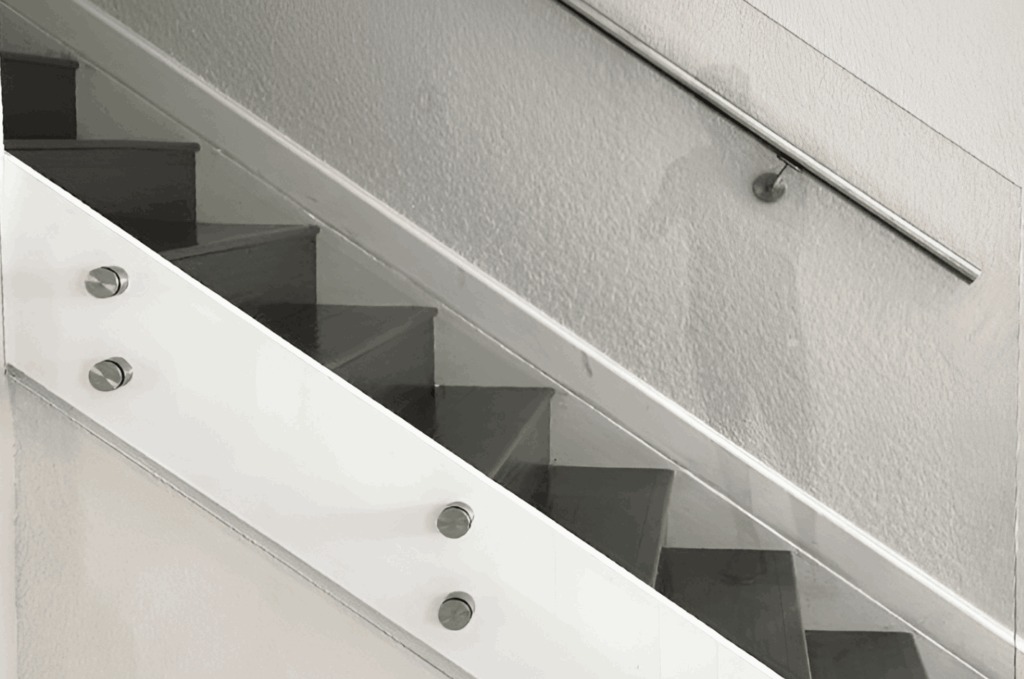
Standoff clamps are round metal spacers that hold glass panels away from the mounting surface. The glass has holes drilled through it. The standoffs pass through these holes and secure the panel in a floating position. This creates a modern, industrial look.
Standoff Best Use Cases
Standoff systems excel as glass railing types for stairs and glass railing types for staircase applications. The floating glass creates drama on ascending or descending runs. Wall-mounted interior installations also work well with standoffs.
Standoffs give a great flexibility in mounting locations. They can attach to walls, posts, or other vertical surfaces. The visible hardware becomes part of the design, adding an architectural element. This frameless glass railing option works in spaces where base shoe installation isn’t practical.
3. Post and Clamp Frameless Mounting
Post and clamp frameless systems use vertical posts with clamps that grip the glass edges. Unlike standoffs, no holes are drilled in the glass. The clamps hold the panel from the sides. There’s no top rail, keeping the frameless aesthetic.
Best Uses
This mounting type adapts to almost any residential glass railing systems application. It works indoors and outdoors. Decks, balconies, and staircases all suit post and clamp frameless designs. The flexibility makes it popular for renovation projects.
Posts provide excellent structural support while clamps grip the glass securely. The system handles exterior glass railing types applications well, resisting wind loads and weather. Installation is more forgiving than base shoe systems. If surfaces aren’t perfectly level, adjustments can compensate.
4. Framed with Bottom and Top Rail Mounting
Framed glass railing systems include metal rails at both the top and bottom of the glass panels. The rails run horizontally between posts, creating a frame around each glass section. This traditional approach offers maximum structural support.
Best Uses for Framed options
This framed glass railing style works everywhere. Indoor stairs, outdoor decks, balconies, and patios all suit framed systems. The added structure makes this mounting type especially good for outdoor glass railing types in harsh weather areas.
Framed systems easily meet building codes because the structure distributes loads well. The top rail provides a comfortable gripping surface. Snow and debris clear easily from under the bottom rail. Installation is typically faster and more straightforward than frameless options.
5. Post and Clamp with Top Rail Mounting
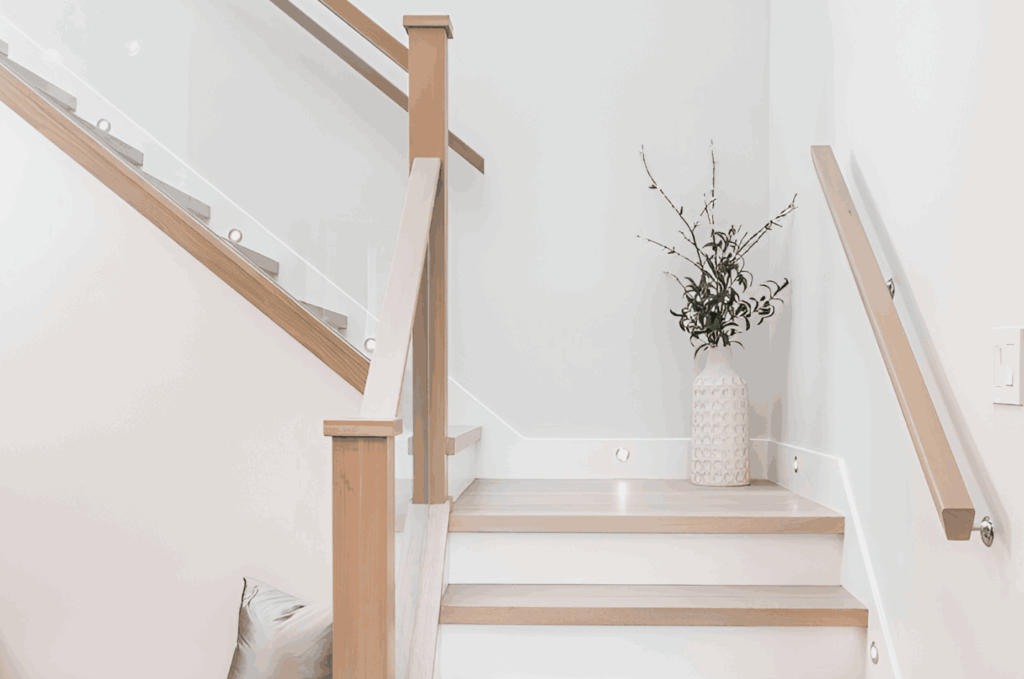
This hybrid system combines post and clamp glass support with a top rail. Posts with clamps hold the glass from the sides. A rail runs along the top edge, connecting the posts and providing a gripping surface.
Great for Staircases
Post and clamp with top rail works great for glass railing types for staircase where a handrail is needed. It also suits types of glass railing for balcony applications where people lean against the railing. The top rail adds both safety and comfort.
This mounting type blends frameless aesthetics with practical functionality. The clean glass panels below the rail maintain the modern look. The top rail satisfies code requirements and provides a natural place for hands. It’s an excellent middle ground between fully framed and completely frameless designs.
Frameless vs Framed: Which Is Right for You?
The choice between frameless glass railing and framed glass railing often comes down to three factors: aesthetics, budget, and location.
Frameless options like base shoe, standoff clamps, and post and clamp frameless create the cleanest visual impact. They maximize views and light flow. However, they typically cost more and require more precise installation.
Framed systems offer robust support and easier installation. They work well in any climate and often cost less. The visible frame becomes part of the design rather than hiding away.
Choosing Your Mounting Type
Consider where your railing will go. Outdoor glass railing types face weather challenges that some mounting systems handle better than others. Interior installations allow more flexibility.
Think about maintenance. Some mounting types are easier to clean than others. Standoffs require cleaning around hardware. Base shoe keeps everything minimal and simple.
Consider your building’s structure. Some mounting types need more substrate support than others. A professional assessment ensures you choose a system your building can properly support.
Safety and Code Compliance
All five mounting types can meet building codes when properly installed. Residential applications typically require 36-inch minimum height. Commercial glass railing projects often need 42 inches. Each mounting type handles load requirements differently, so professional installation ensures code compliance.
The glass itself must be tempered or laminated safety glass regardless of mounting type. This glass is four to five times stronger than regular glass and breaks safely if ever damaged. Quality hardware materials like stainless steel resist corrosion for outdoor applications.
The Right Mounting Type Matters
Your glass railing mounting type shapes the entire look and feel of your space. Base shoe creates pure minimalism. Standoff clamps add industrial character. Post and clamp systems offer flexibility. Framed systems provide traditional reliability. Post and clamp with top rail balances style and function.
Ready to explore your options? Glass Railing Seattle professional consultation helps match the perfect mounting type to your specific space, style, and needs. Contact us today to see your options.