
For frameless glass railing systems, two popular options stand out: base shoe glass railing and standoff glass railing.They work in different ways. We’ll cover the base shoe vs standoff pros and cons. You’ll learn what each system looks like, how it works, and where it fits best. By the end, you’ll know exactly which glass railing type suits your home.
Table of Contents
How Many Types of Railing Are There?
Modern glass railing systems come in several main styles. The most common glass railing types include base shoe mounted, standoff clamps, post and clamp frameless, post and clamp with top rail, and framed systems with bottom and top rails. Each type has its own look and purpose. Some work better indoors. Others handle outdoor weather well.
For frameless glass railing lovers, base shoe and standoff systems are the top choices. They offer clean lines without bulky frames blocking your view. Let’s explore each one in detail.
What Is Base Shoe Glass Railing?
Base shoe glass railing uses a metal channel at the bottom to hold the glass. Think of it like a shoe that the glass panel sits inside. The channel attaches to your deck, balcony, or floor surface. Then the glass slides into this channel and gets secured in place.
This creates a truly frameless look. No posts interrupt your view. No visible hardware clutters the design. Just clean, clear glass rising up from the floor. The result is smooth and uninterrupted sightlines that make spaces feel larger and more open.
Base Shoe Glass Railing Pros
The biggest advantage is the completely unobstructed view. Nothing blocks what you see through the glass. This makes base shoe systems perfect for decks with beautiful scenery, balconies overlooking the city, or any space where the view matters.
Base shoe mounted railings also look very modern and sleek. The minimalist design fits contemporary homes perfectly. They’re easy to clean too. Without hardware scattered across the glass surface, you just wipe the panel clean like a window.
Base Shoe Glass Railing Cons
Installation requires a solid, level surface. The mounting channel needs proper support underneath. This can be tricky on older decks or uneven surfaces. Professional installation is essential to get it right.
Base shoe systems can also cost more upfront. The channel system and installation process take more time and precision. However, the long-term value often makes this worth it.
What Is a Glass Standoff?
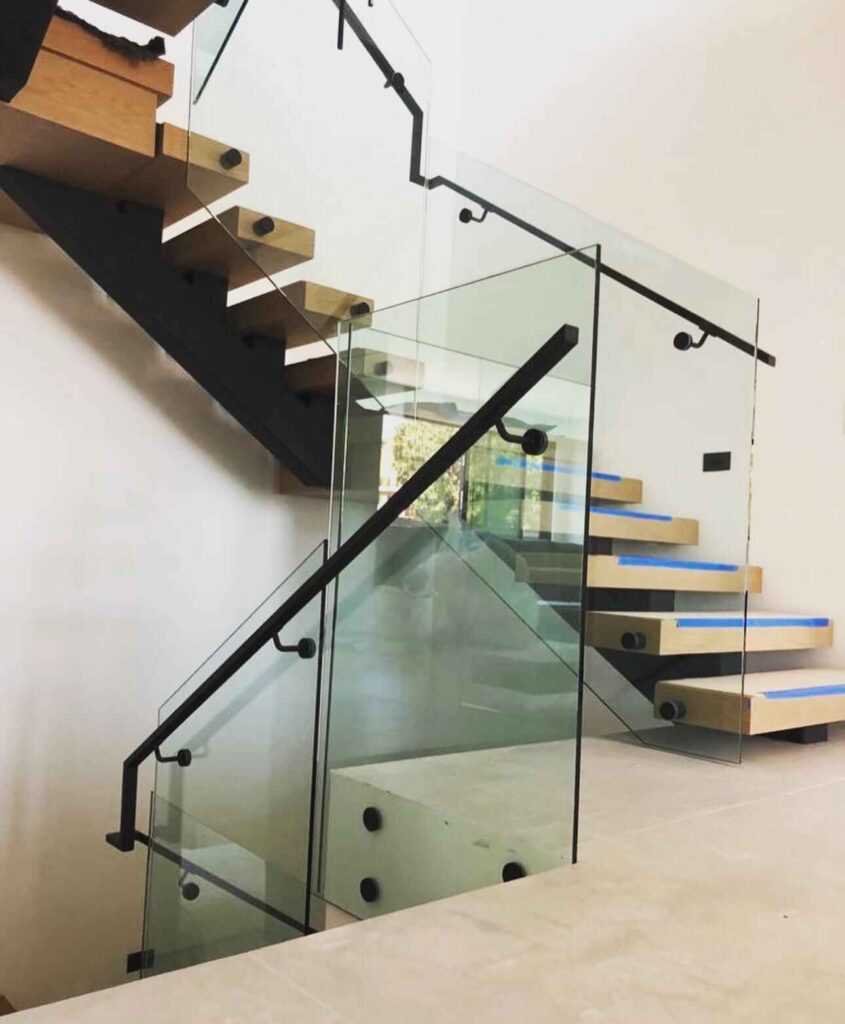
A glass standoff is a round metal spacer that holds glass away from a wall or surface. These small hardware pieces create a floating effect. The glass appears to hover in space, creating a very modern look.
Standoff glass railing systems use multiple standoffs to secure each glass panel. The standoffs attach through holes drilled in the glass. This mounting method works on walls, posts, or other vertical surfaces.
Standoff Glass Railing Pros
Standoff systems offer great flexibility. They can mount to almost any surface type. Walls, posts, existing structures, standoffs adapt to different situations easily. This makes them ideal for renovations and tricky installations.
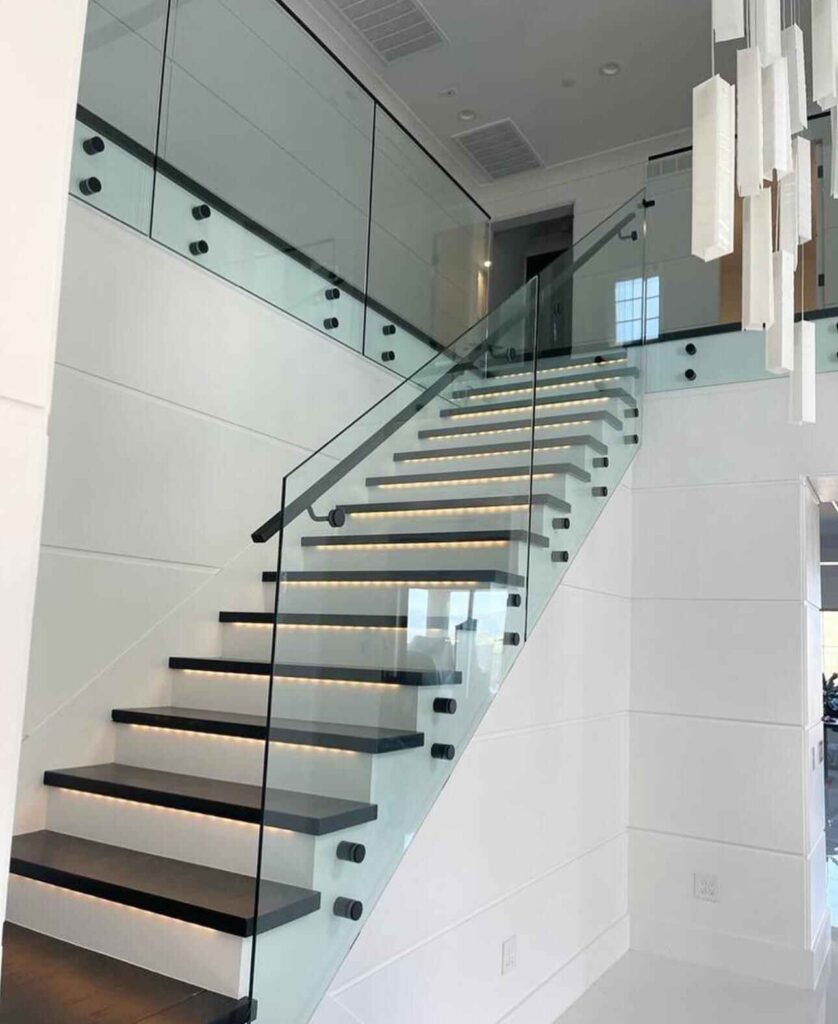
The floating look appeals to many homeowners in Bothell. Light passes around the edges of the glass, creating interesting visual effects. Standoff mounted railings work especially well for staircases where you want that open, airy feeling.
Installation can be more forgiving than base shoe systems. The standoffs adjust individually, making it easier to work with surfaces that aren’t perfectly level.
Standoff Glass Railing Cons
The visible hardware is part of the design. Some people love this industrial look. Others prefer the cleaner appearance of base shoe systems. It comes down to personal taste and the style of your home.
Standoffs require holes in the glass. Once drilled, these holes are permanent. If you ever want to change the mounting configuration, you’ll need new glass panels.
What Is the Gap Between Glass Railing Panels?
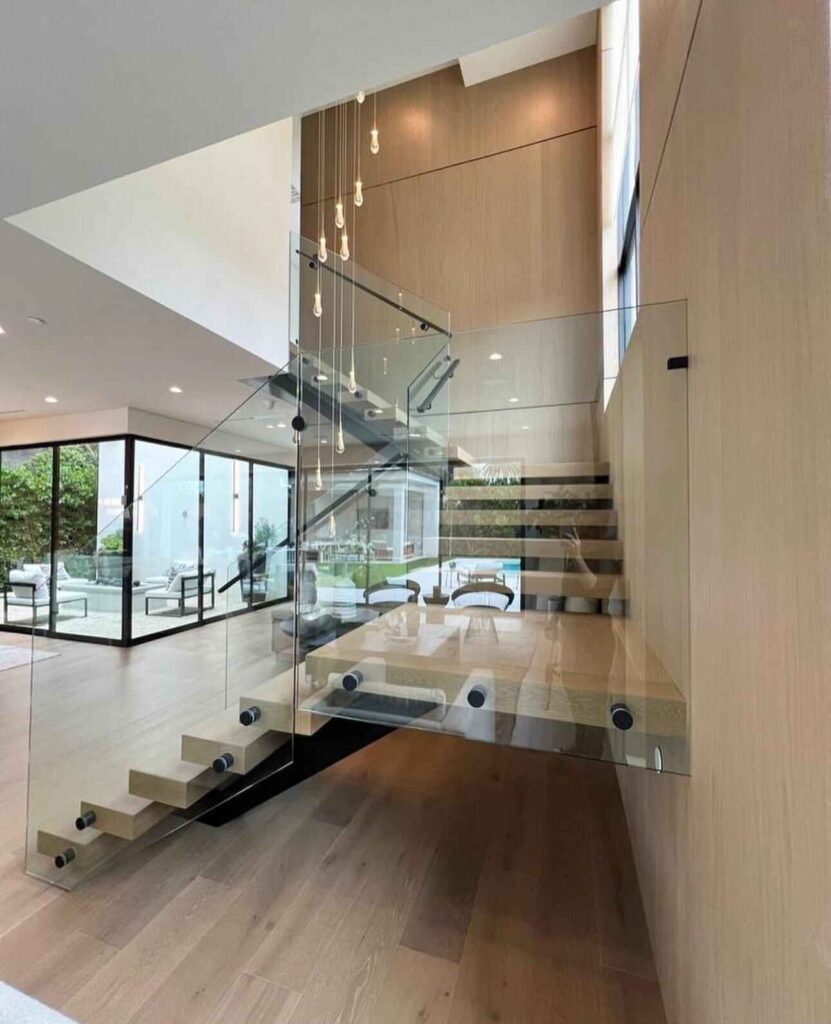
What is the gap between glass railing panels? This matters for both safety and looks. Building codes typically require specific gap limits. The exact requirements vary by location and application.
Most residential glass railing installations keep gaps small, usually under one inch between panels. Smaller gaps look better and prevent objects from passing through. Professional installers know the local codes and ensure your railing meets all requirements.
What Is the 4 Ball Rule for Railing?
What is the 4 ball rule for railing? This safety guideline helps protect children. The rule says that a 4-inch ball should not pass through any opening in the railing. This prevents small children from squeezing through gaps or getting stuck.
Both base shoe and standoff glass railing systems easily meet this requirement. Solid glass panels have no openings at all. The only gaps exist between panels, and proper installation keeps these well under the 4-inch limit.
Base Shoe vs Standoff: Making Your Choice
Understanding the base shoe vs standoff pros and cons helps you decide. Think about your specific situation.
Choose base shoe glass railing when you want the cleanest possible look with zero visible hardware. This works best for decks, balconies, and anywhere the view is the main attraction. You’ll need a solid, level mounting surface.
Choose standoff glass railing when you’re mounting to walls or existing structures. Staircases often look great with standoff systems. The floating glass effect adds visual interest. Standoffs also work well when surfaces aren’t perfectly level.
Other Frameless Glass Railing Options
Beyond base shoe and standoff, frameless glass railing systems include post and clamp designs. These use vertical posts with clamps to grip the glass edges. Post and clamp systems offer another sturdy, flexible option for both indoor and outdoor spaces.
Some homeowners combine different glass railing types in one home. A base shoe system for the deck. Standoffs for the interior staircase. The right mix depends on each space and its needs.
Quality and Safety Matter Most
Whichever glass railing type you choose, quality matters. Look for tempered or laminated safety glass that exceeds code requirements. Good hardware resists rust and corrosion. Professional installation ensures everything stays secure for years. Modern frameless glass railing systems built with quality materials need very little maintenance.
Ready to Choose Your Glass Railing?
Both base shoe glass railing and standoff glass railing create beautiful results. Each glass railing type has its strengths. The best choice depends on your space, your style preferences, and your practical needs.
Glass Railing Seattle’s professional consultation helps you see all the options. Experts can assess your specific situation and recommend the ideal frameless glass railing system for your home. The right glass railing transforms any space, adding safety, beauty, and value that lasts for years.