
A glass railing is safe when it is built with proper safety glass and installed to code, though laminated glass offers stronger protection after a break than tempered glass. Both types are classified as safety glass because they break safely rather than splintering into jagged shards, but what happens after a panel breaks is where glass railing safety truly differs. The right choice depends on how high the railing is and whether a shattered panel would leave a dangerous gap. Here is how tempered and laminated glass compare, how each one breaks, and which fits your space.
Table of Contents
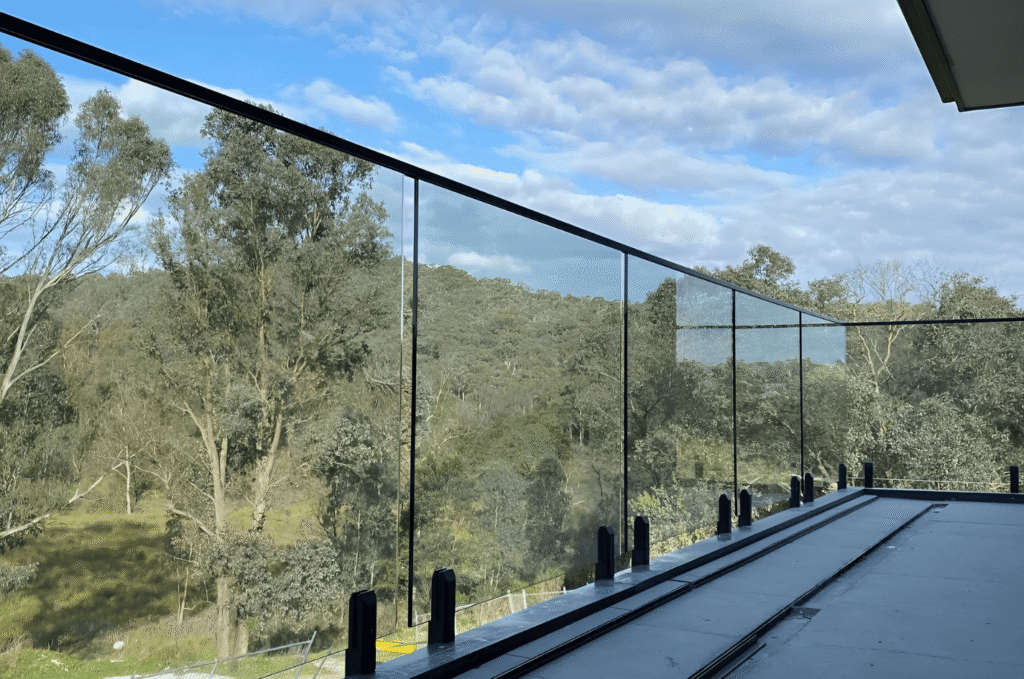
What Makes a Glass Railing Safe
Safety starts with the glass itself, not just the hardware around it. True glass railing safety comes from using rated safety glass that breaks in a controlled, predictable way. Here is what glass railing safety really depends on.
Safety Glass Versus Regular Glass
Ordinary annealed glass shatters into sharp, dangerous shards, which is why it is never allowed in a railing. The safety glass for railings used instead, whether tempered or laminated, is engineered to break safely. A compliant glass deck railing always uses one of these two types, never plain annealed glass.
Why Both Types Qualify as Safety Glass
Both tempered and laminated glass are legally classified as safety glass because neither breaks into the jagged pieces that cause injury. Each meets recognized impact standards, a point our Seattle glass railing code guide covers. For glass railing safety, the classification is about how the glass fails, not just how strong it is.
Where the Real Difference Lies
The key difference is what happens after a break. One type leaves an open gap, while the other holds the broken panel in place. That gap, or the lack of it, is the heart of glass railing safety on an elevated railing where a fall is possible.
Tempered Glass Railing Explained
Tempered glass is the most common choice for railings, and for good reason. A tempered glass railing is strong, affordable, and safe in the right setting. Understanding how it behaves explains its role in glass railing safety.
How Tempered Glass Is Made
Tempered glass is a single sheet of heat-treated glass, several times stronger than ordinary glass of the same thickness. That strength gives it high impact resistance and low maintenance, which is why it suits so many everyday railings. It is a proven, cost-effective choice for many railing designs across homes and light commercial spaces.
How Tempered Safety Glass Breaks
When tempered safety glass does break, it crumbles into thousands of small, blunt, pebble-like granules instead of sharp shards. Owners of decks on Mercer Island value how cleanly it fails. The granules are far safer than the jagged pieces of regular glass, posing little risk of serious cuts.
The Post-Breakage Gap
The one limitation is that a shattered tempered panel disintegrates completely, leaving an open, unprotected gap. On an elevated railing, that gap is a fall risk until the panel is replaced, which is why owners of Sammamish glass railings weigh it carefully. This is the key factor behind glass railing breakage concerns on balconies.
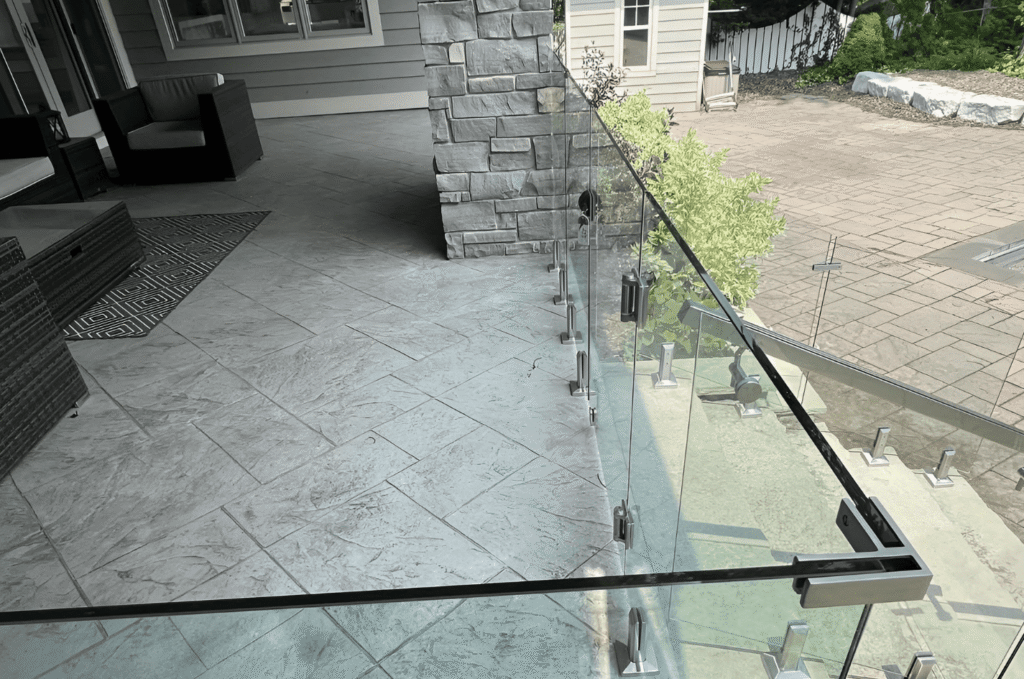
Laminated Glass Railing Explained
Laminated glass solves the gap problem, which is why code often requires it in higher-risk spots. A laminated glass railing keeps a broken panel in place and acts as a barrier. Here is how it works and why it raises glass railing safety.
How Laminated Glass Is Built
Laminated glass bonds two or more sheets together with a plastic interlayer, so the panel holds together even when broken. This is the basis of laminated safety glass used on exposed railings, where a fallen panel would be dangerous. Many systems use laminated-tempered glass, pairing the strength of tempering with the retention of lamination.
How It Breaks and Holds
When laminated glass cracks, the fragments stick to the inner plastic layer in a spiderweb pattern rather than falling away. The panel stays in the frame and keeps acting as a barrier until it is replaced. Owners of balconies in Newcastle rely on this retention at height.
Extra Benefits of Laminated Glass
Beyond safety, laminated glass blocks most UV rays, dampens sound, and prevents falling glass debris. These benefits make it popular for a glass balcony railing on a busy or exposed building. The interlayer does more than just hold the glass together; it adds comfort and protection a single pane cannot.
Tempered vs Laminated: Which Should You Choose
The tempered vs laminated glass decision comes down to height, risk, and design. Each has a place, and the right choice is central to glass railing safety and budget. Here is how to match the glass to the setting.
When Tempered Glass Works
Tempered glass is a solid choice for a low-height, low-risk area like a ground-level deck or pool fence, or a design with a continuous top cap that maintains the barrier. In those settings, a shattered panel does not create a fall hazard, since there is little or no drop below. The strength and lower cost make it a practical default wherever the setting keeps the risk low.
When Laminated Glass Is Safer
Choose laminated or laminated-tempered glass for an elevated balcony, a multi-story staircase, or a frameless design where an open gap would pose a fall risk. Homeowners with decks around Edmonds on raised lots often need it. The retained panel is what keeps an elevated railing safe even in the moment a pane is cracked.
How Code and Design Decide
Building codes often dictate whether a top cap, post, or laminated buildup is required, depending on whether the design is frameless or supported, as our glass thickness guide explains. For glass railing safety, a frameless, topless railing usually leans toward laminated. The design and the code together settle the glass type, so the two are best decided before fabrication.
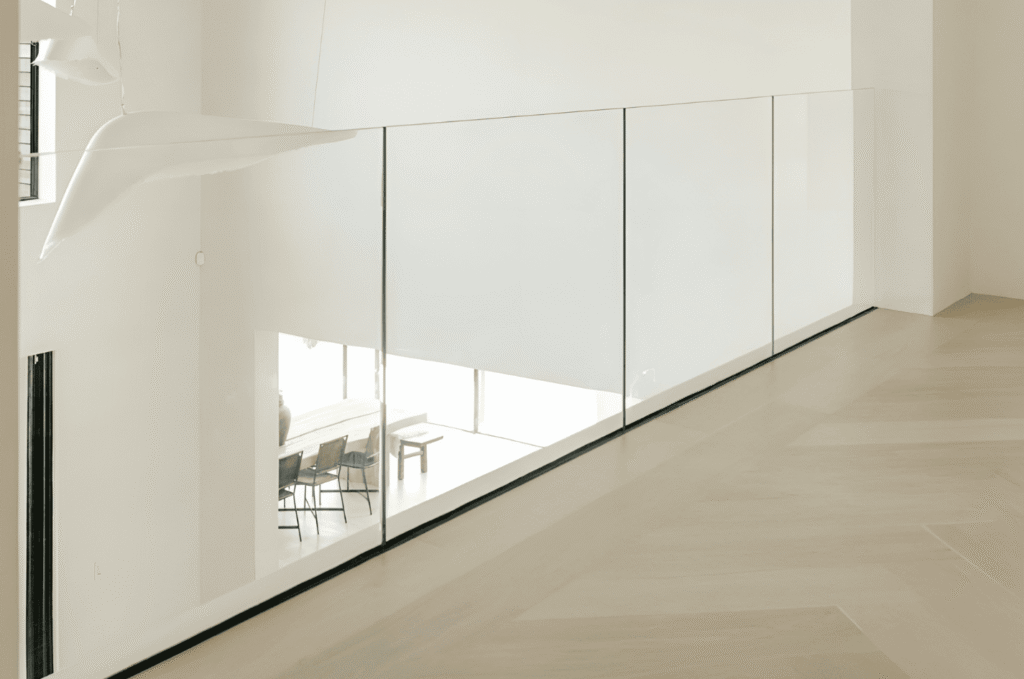
Getting a Safe Glass Railing the Right Way
The surest way to get the glass type right is to work with specialists who build to code every day. Experience with local requirements keeps glass railing safety and compliance intact.
Why a Professional Gets It Right
A professional matches the glass to the height, risk, and code, then handles permits and inspection, whether for a frameless run or a glass railing permit project. That removes the guesswork that puts safety at risk. Getting the glass right the first time protects everyone who uses the railing.
Why Homeowners Trust Glass Railing Seattle
From glass selection to final inspection, homeowners rely on the specialists at Glass Railing Seattle to build railings that are genuinely safe. Focusing only on glass means every panel is chosen for its exact setting.
Start Your Safe Railing Project
Not sure whether your railing needs tempered or laminated glass? Contact our team for a consultation, and we’ll recommend the safest glass for your space and handle it to code.