
Glass railing sealant wear happens as UV light, temperature and moisture cycles, and constant mechanical stress slowly dry out, shrink, and crack the seals that keep water out of your railing. Once those seals fail, moisture reaches the posts, base channels, and hardware, where it quietly causes rust and rot long before you see it. The seal is a small detail, but it is the first line of defense against the weather. Here is how exterior seals break down, the warning signs to watch for, and how to keep your railing weather-tight before water ever reaches the structure.
Table of Contents
What Glass Railing Sealant Does
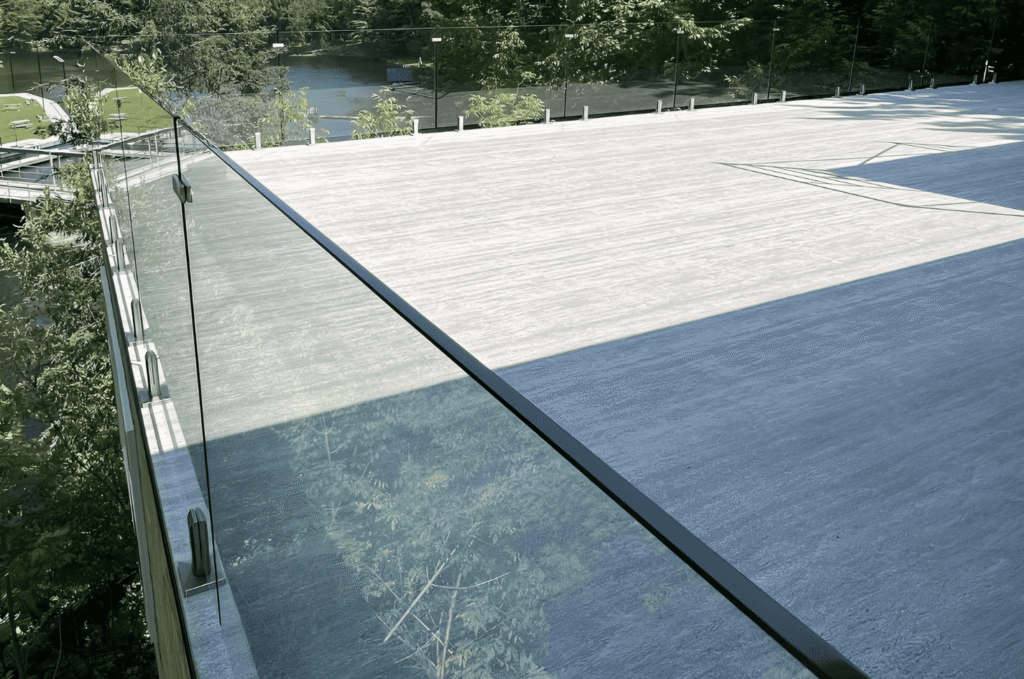
Before wear makes sense, it helps to know the job the seal is doing. An exterior railing sealant fills the gaps where glass, metal, and structure meet, blocking water from getting behind them. When it works, you never think about it, which is exactly why worn seals so often go unnoticed until damage appears.
The Sealant’s Job
Sealant and caulk close the joints around posts, base shoes, and mounts on a glass deck railing, keeping rain out of the structure. It also allows for slight movement without cracking, absorbing the tiny shifts that heat and wind create every day. That flexibility is exactly what wears out first, as the material stiffens and loses its ability to move with the joint.
Why Seals Wear Over Time
Every seal has a lifespan, and constant outdoor exposure speeds up glass railing sealant wear. Railing seal deterioration is gradual, so it rarely gets noticed until water is already getting in and the damage has begun. The seal ages long before anyone looks at it, quietly losing its grip while the railing still appears perfectly fine.
Where Wear Begins
On an outdoor glass railing, the sunniest, most exposed runs break down first. Sheltered joints tend to last much longer, which is why two seals on the same railing can age at very different rates. Knowing where to look helps you catch trouble early, starting with the joints that face the most sun and rain.
How Weather Breaks Down Exterior Seals
The local climate is the biggest force behind glass railing sealant wear. Understanding what causes sealant to break down shows why exterior seals rarely last as long as homeowners expect. Three forces do most of the damage.
UV and Sun Damage
Continuous sunlight breaks down the polymer chains in caulk and rubber, so a weather damaged sealant turns brittle, shrinks, and cracks from the surface inward. Homeowners with decks in Bellevue see this first on south-facing runs. UV is usually the leading cause of early wear.
Thermal and Moisture Cycles
Glass and metal expand and contract at different rates, flexing the sealed joint with every temperature swing, much like the movement behind gasket wear. Rain, humidity, and freeze-thaw all speed up the chemical breakdown. Together, heat and water wear seals down fast, especially through a wet season with frequent freeze-thaw swings.
Wind and Mechanical Stress
Wind loads, leaning, and vibration put steady pressure on the panels and their seals over time. That constant movement slowly deforms the sealant and loosens the assembly, opening tiny gaps that widen with every gust. Mechanical stress turns small glass railing sealant wear into open gaps.
Signs Your Sealant Is Failing
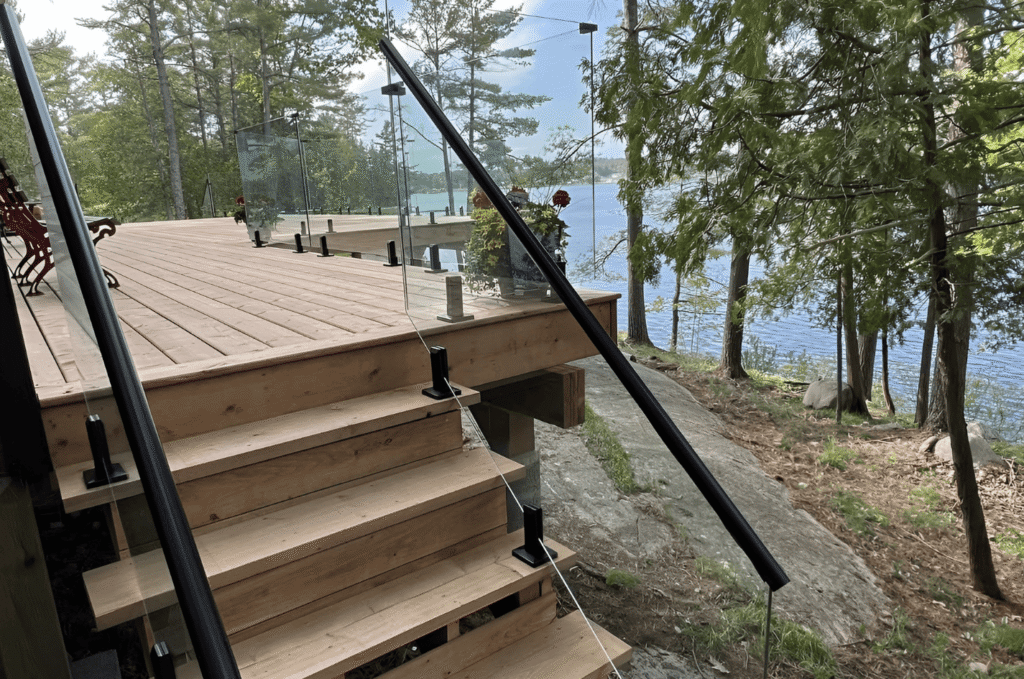
Catching glass railing sealant wear early is far cheaper than repairing water damage later. These signs of glass railing seal failure are easy to spot during routine cleaning. A close look at the joints usually tells the story.
Cracking, Shrinking, and Brittleness
Look for hairline cracks, sealant that has pulled back from the joint, or a hard, dried-out surface. Owners of railings near Redmond often find brittle caulk on their oldest, most exposed sections. Brittle sealant no longer seals or flexes, so even a small crack lets water begin working its way in.
Gaps and Water Intrusion
Once gaps open, water slips into the post bases and channels, a problem tied closely to poor base shoe drainage. Trapped water then rusts hardware and rots framing out of sight. Gaps are the point where cosmetic wear becomes structural risk, since hidden water is far costlier than a simple reseal.
Discoloration and Streaks
Failing sealant often yellows, turns chalky, or leaves streaks on the glass and frame. Discoloration usually means the material is well past its prime and no longer keeping water out the way it should. Staining is a clear signal that a reseal is due, and it usually means the surface has already lost its protective quality.
Preventing and Repairing Sealant Wear
Most glass railing sealant wear is easy to prevent with a little routine care. Simple glass railing maintenance keeps seals intact and water out of the structure. Prevention comes down to inspection, gentle care, and timely resealing.
Seasonal Inspections
Checking exposed seals each spring and fall catches cracking and gaps early, and preparing the area first, as our prepare your property guide covers, makes it easier. A quick joint-by-joint look is usually enough, and it takes only a few minutes compared to the cost of water repairs. Early detection is the whole point, turning what could be a costly water repair into a quick, inexpensive reseal.
Gentle Cleaning
Use mild dish soap or a pH-neutral cleaner with a soft microfiber cloth, and avoid ammonia or bleach that degrade sealant. Homeowners with Sammamish glass panels keep seals supple by skipping harsh chemicals. Gentle care extends a seal’s life considerably, keeping the material flexible instead of drying it out prematurely.
Resealing Promptly
Reapply exterior-grade sealant as soon as gaps appear to keep moisture out, and a pro handling Seattle glass railings can match the right product for the local climate. Fresh Seattle glass railing sealant restores the weather barrier before damage spreads. Resealing early is far cheaper than repairing rot, and it keeps a minor maintenance task from becoming a structural one.
Keeping Seals Weather-Tight
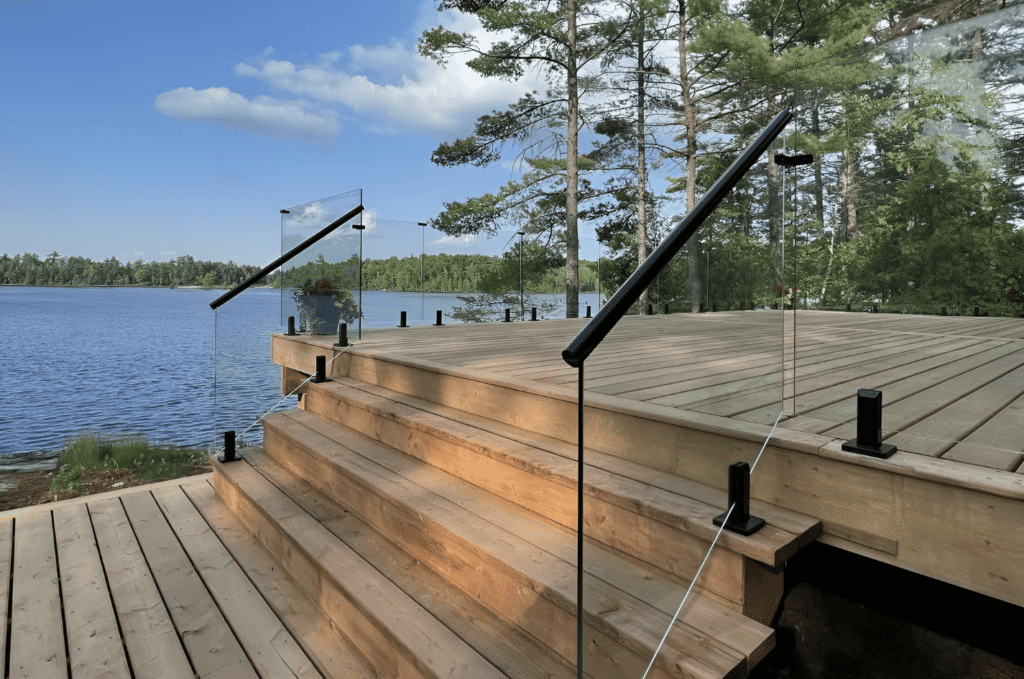
Routine care handles most glass railing sealant wear, but water damage behind failed seals is best left to specialists. Catching it early keeps a small reseal from becoming a structural repair.
When to Call a Professional
Widespread cracking, gaps, or any sign of water intrusion are cues to bring in a pro rather than wait. A specialist can reseal correctly and check for hidden damage behind the joints. That protects both the railing and the structure it sits on, often catching hidden rot before it spreads any further.
Why Homeowners Trust Glass Railing Seattle
From inspection to reseal, homeowners rely on the specialists at Glass Railing Seattle to keep seals weather-tight in the local climate. Focusing only on glass means every seal is matched to how a railing is exposed.
Book a Sealant Inspection
Noticing cracked or peeling seals on your railing? Contact our team for an inspection, and we’ll assess the glass railing sealant wear and reseal it before water gets in.