
Glass railing base shoe problems almost always point back to poor installation, showing up as tilted or uneven panels, loose glass, misaligned gaps, and water leaking into the channel. The base shoe carries the entire bottom edge of a frameless railing, so when it is set wrong, every panel above it suffers. Catching these signs early is the difference between a simple fix and a full rebuild. Here is what poor base shoe installation looks like, the mistakes behind it, and how to put it right before small flaws turn structural.
Table of Contents
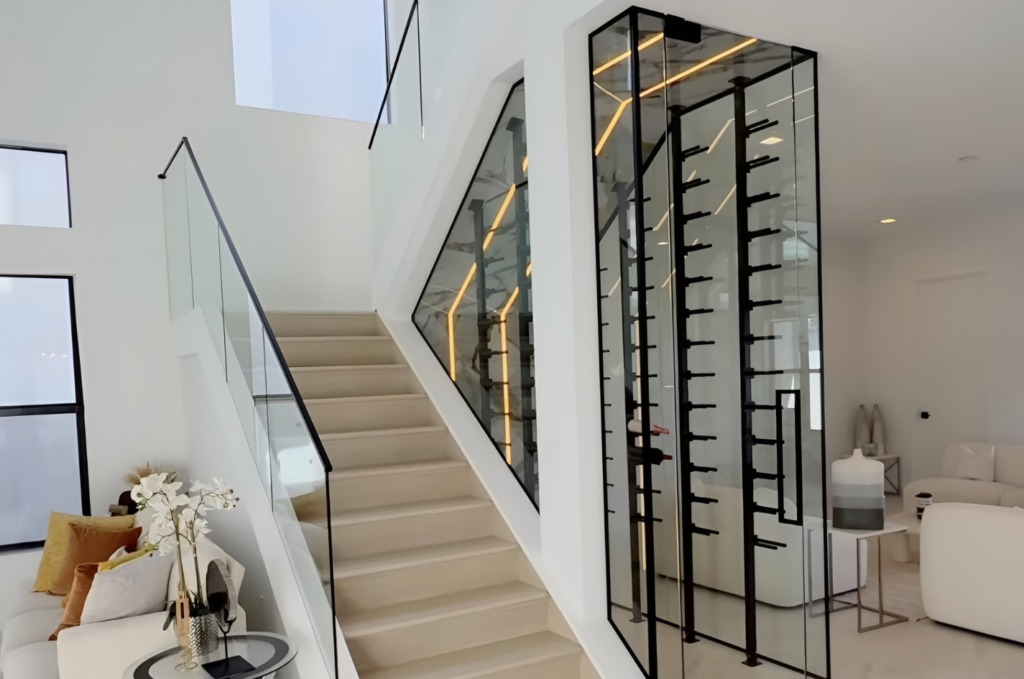
What a Glass Railing Base Shoe Does
Before the warning signs make sense, it helps to know the part’s job. A base shoe is the metal channel that grips and aligns the bottom of each glass panel, so the quality of its installation shapes the whole railing. Get it wrong, and no amount of good glass will hide it; the whole run only looks as clean as the channel beneath it.
The Base Shoe’s Role
On a frameless glass deck railing, the base shoe holds every panel in line and transfers their load into the deck. It replaces posts for a clean, open look. That means it carries responsibility that a few scattered posts normally share, so a single flaw in the channel affects every panel at once.
Why Installation Quality Matters
Because the base shoe does so much, careful base shoe installation is what makes a frameless railing safe and straight. A rushed or sloppy install shows almost immediately, often before the crew has even left the driveway. The channel leaves little room for error, since even a slight misalignment is magnified across the full height of the glass.
How Problems Begin
Most trouble starts the day the channel goes in, not years later. Owners of decks in Bellevue often see issues within the first season of a poor install. Early signs are the channel telling you something was missed during the install, long before you would expect any wear.
Signs of Poor Base Shoe Installation
The clearest evidence of a bad install is visible in the glass itself. These signs of glass railing base shoe problems are easy to spot once you know what to look for. Any one of them is worth a closer look.
Uneven or Tilted Panels
Uneven glass panels that lean, tilt, or sit at slightly different heights point to a base shoe that was never set level. Stairs make this worse, as our stair railing installation guide shows. A crooked line is the most obvious red flag, and it rarely fixes itself once the glass is in.
Loose or Rattling Glass
A loose glass railing that shifts, wobbles, or rattles in wind usually means the panels were never seated tightly in the channel. Homeowners with railings near Redmond often notice the movement first. Loose glass is both a warning sign and a safety issue, since a panel that moves is a panel that can fail under load.
Gaps and Alignment Problems
Inconsistent gaps between panels or a top edge that wanders are classic railing alignment problems. They signal a channel that was set out of true from the start. Clean, even spacing is what a proper install delivers, and it is the first thing a trained eye checks on a finished railing.
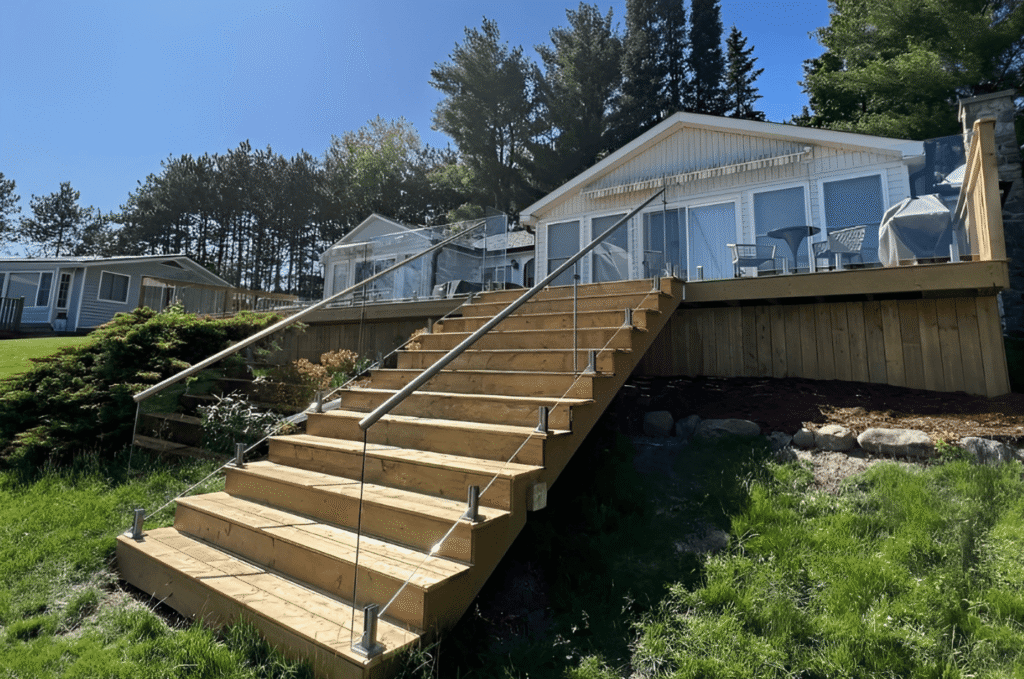
Common Installation Mistakes Behind the Problems
Every visible sign traces back to a specific mistake during the install. Understanding these errors shows why glass railing base shoe problems are so often preventable. Three mistakes cause most of the trouble.
Weak or Shallow Anchoring
Poor base shoe anchoring, with too few fasteners or bolts set into weak material, lets the whole channel move, one of the recurring installation problems on frameless jobs. If the channel isn’t locked down, the glass never will be, no matter how well the panels themselves are made. Solid anchoring is non-negotiable, because everything above the channel depends on it staying put.
Poor Leveling and Setting
A channel that isn’t shimmed and leveled precisely throws off every panel it holds, which matters even more on a glass balcony railing at height. Small errors at the base multiply up the glass, so a barely noticeable tilt at the channel becomes obvious at the top rail. Careful leveling is what keeps the line straight, and it is nearly impossible to correct fully after the glass is set.
Skipped Sealing and Water Leaks
When the channel isn’t sealed correctly, a base shoe water leak lets moisture into the structure below. Owners of Kirkland glass panels sometimes find staining before they spot the gap. Proper sealing keeps water where it belongs, out of the framing and anchors hidden below the channel.
Why Base Shoe Problems Can’t Be Ignored
A crooked panel may look cosmetic, but the causes behind it are often structural. Left alone, glass railing base shoe problems tend to get worse and more expensive. Ignoring them rarely ends well.
Safety and Structural Risk
A base shoe that moves puts uneven stress on the glass and weakens the whole guardrail, one of the system mistakes that compromise safety. A railing people lean on has to hold firm. Structural doubt is never worth the risk.
Hidden Water Damage
Leaks from a poorly sealed channel rot framing and corrode anchors out of sight. By the time damage shows, it has usually spread into framing and hardware that are expensive to reach and replace. Catching a leak early saves the structure underneath, where rot and corrosion are far costlier than a simple reseal.
Problems That Worsen Over Time
Small install errors grow as weather, weight, and wind work on them, which is why prompt Seattle glass railing installation fixes matter, and crews serving Seattle glass railings address them early. A minor tilt today can be a loose panel next year. Time never improves a bad base shoe; weather and daily use only push a small flaw toward a real failure.
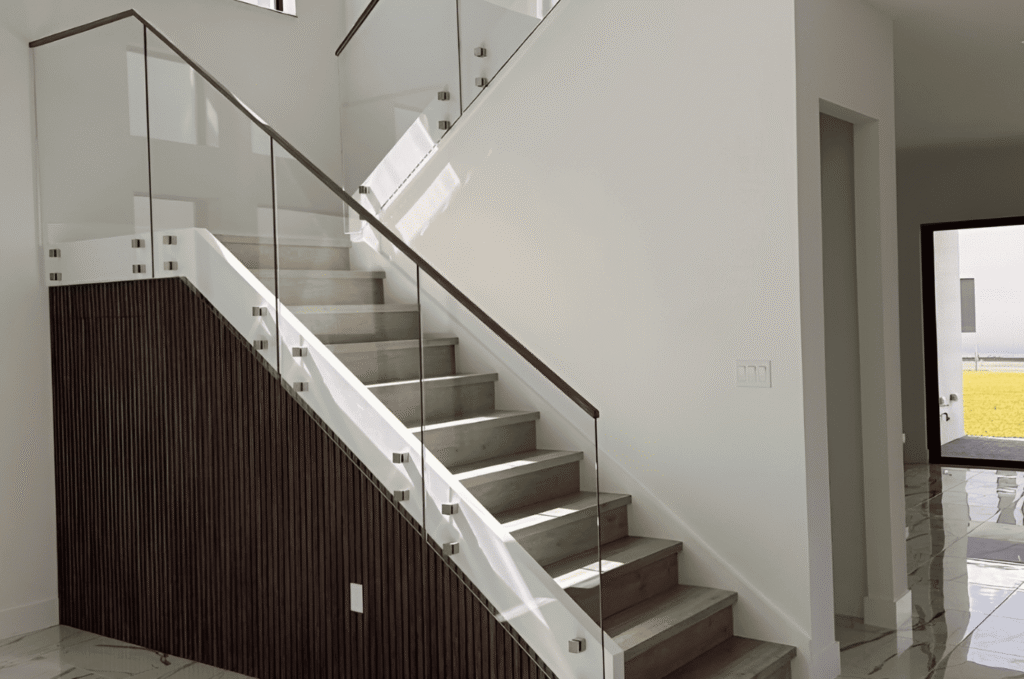
Fixing and Preventing Base Shoe Problems
Some issues can be adjusted, but a poorly installed base shoe usually needs a professional to correct. Catching glass railing base shoe problems early keeps the fix small and the railing safe.
When to Call a Professional
Tilting panels, loose glass, or any sign of a leak are cues to bring in a specialist rather than wait. A pro can re-anchor, re-level, and reseal the channel correctly, and check for hidden damage. That restores both the look and the safety of the railing, and it costs far less than living with a failing channel.
Why Homeowners Trust Glass Railing Seattle
From diagnosis to repair, homeowners rely on the specialists at Glass Railing Seattle to correct base shoe problems the right way. Focusing only on glass means every channel is set to last.
Book an Inspection
Noticing tilted or loose panels on your railing? Contact our team for an inspection, and we’ll pinpoint the glass railing base shoe problems and recommend the right fix.