
The most common glass railing system mistakes that affect safety and design are using the wrong glass thickness or type, anchoring panels into weak substrates, ignoring local building codes, and allowing direct metal-to-glass contact. Each of these errors does double damage: it weakens the structure that keeps people safe and undercuts the clean, seamless look a glass railing is meant to deliver. Small shortcuts at the planning or install stage often turn into cracked panels, failed inspections, or crooked sightlines down the road. Here are the mistakes worth avoiding, grouped by how they affect safety and design.
Table of Contents
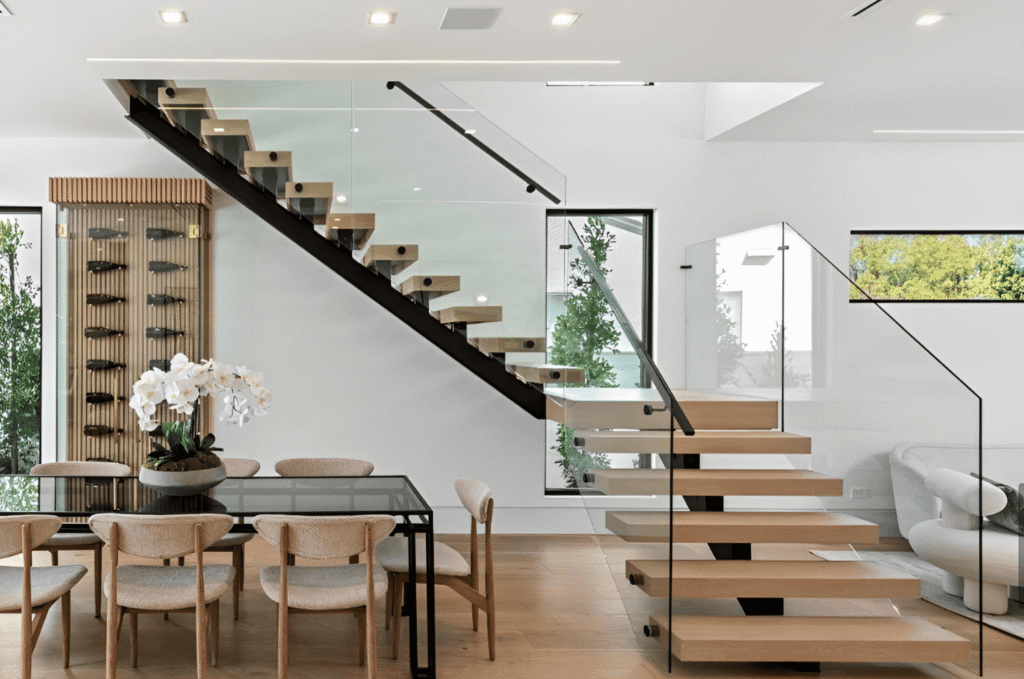
Why Glass Railing System Mistakes Matter
A glass railing works as one connected system, so a weak point anywhere affects the whole run. Many glass railing problems trace back to a single overlooked detail in the glass, the hardware, or the anchoring. Understanding how the pieces depend on each other makes the common mistakes far easier to spot early.
Glass, Hardware, and Anchoring Depend on Each Other
In a glass deck railing, the panels, clamps, posts, and substrate all share the load, so no single part can be undersized. Improper glass thickness or weak fasteners shift stress onto components that were never meant to carry it. When one link is off, the rest compensate until something eventually fails.
One Mistake, Two Problems
The same error often hurts safety and looks at once, which is what makes these glass railing installation mistakes so costly to fix after the fact. Skip the gaskets in a base shoe, for instance, and you invite both cracked panels down the line and rust stains bleeding across the glass. Getting the fundamentals right protects the structure and the sightline together.
Safety Hazards to Avoid
Safety is where glass railing mistakes carry the highest stakes. Strong glass railing safety comes down to the right materials, solid anchoring, and correctly set hardware, and skipping any one of them creates real risk for the people using the railing.
Wrong Glass Type or Thickness
Using standard annealed glass instead of tempered or laminated safety glass is one of the most dangerous shortcuts, since annealed panels break into large, sharp shards. A proper tempered glass balustrade on homes throughout Seattle is rated to shatter safely and carry code loads. Thickness matters just as much as the glass grade.
Weak Structural Anchoring
Inadequate fasteners or mounting into soft substrates fail the lateral push test that codes require, usually around 200 pounds of force at the top. Anchoring into rotted wood, thin decking, or missing blocking leaves panels that can give way under a simple lean. Solid backing is non-negotiable for a safe railing, and it should always be confirmed before any panels are ordered.
Direct Metal-to-Glass Contact
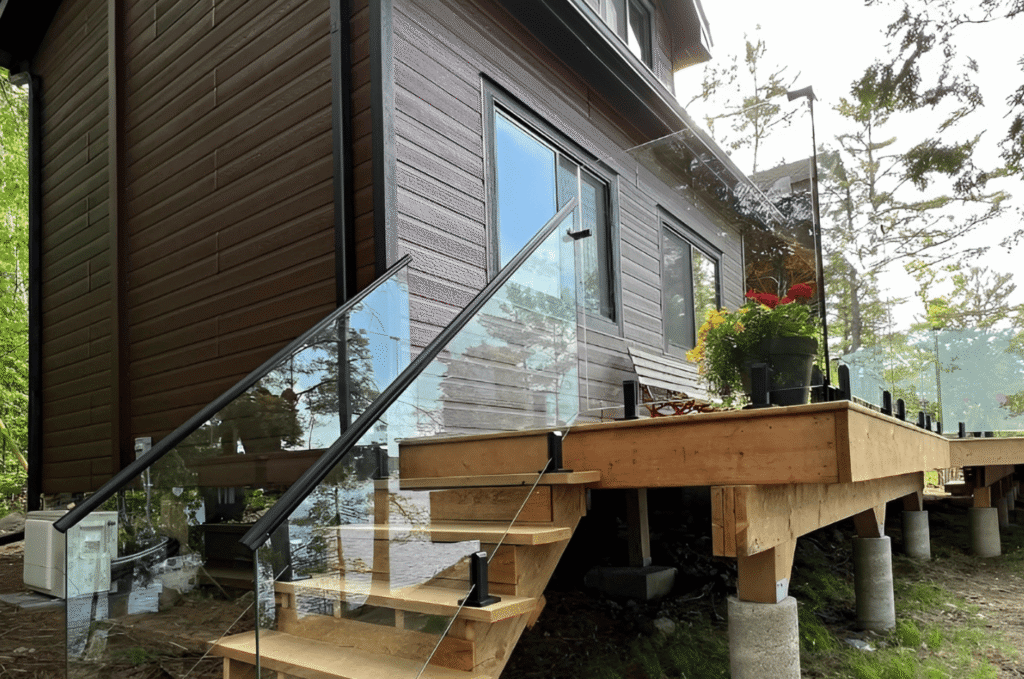
Skipping the protective gaskets or rubber spacers between metal and glass creates stress points that crack panels during thermal expansion, a frequent cause of outdoor railing problems. Metal and glass expand at different rates, so they need a cushion between them. Without it, hairline cracks appear and steadily spread.
Incorrect Clamp Torque
Over-tightening clamps crushes the glass edge and seeds cracks, while loose fittings let panels rattle and shift out of place. Installers on projects in Bellevue homes torque every clamp to spec for exactly this reason. The right pressure holds panels firmly without stressing the fragile edge.
Design and Aesthetic Flaws
Even a structurally sound railing can still look wrong. The most common glass railing design mistakes come from uneven alignment, poor waterproofing, and hardware choices that break the clean, transparent look.
Uneven Panel Alignment and Gaps
Uneven gaps or mismatched panel heights destroy the seamless look, and stairs make this especially easy to get wrong, as our stair railing installation guide shows. Consistent spacing and level tops are what read as intentional. A few millimeters of drift is visible from clear across a room.
Poor Waterproofing and Trapped Moisture
Trapped moisture and degraded sealants in base shoes stain the glass and can rot the framing underneath, so a glass balcony railing needs its channels sealed and drained correctly. Water that isn’t channeled out sits against metal and wood until damage sets in. Proper waterproofing protects both the look and the structure.
Bulky or Corroding Hardware
Low-grade, oversized, or corroding brackets distract from the transparency that makes glass railings appealing in the first place. Slim, marine-grade fittings keep the line clean and hold their finish for years. The best hardware nearly disappears against the glass instead of competing with it, letting the panels themselves carry the whole look.
Skipping Required Top Caps
Omitting a minimal top rail where code or design calls for it leaves an unprotected, unfinished edge on the profile. Beyond the look, an exposed glass edge is far more vulnerable to chips that grow into cracks. Homeowners in Kirkland homes often add a slim cap to finish and protect the panel.
Meeting Code and Getting Installation Right
Most of these mistakes come back to planning and workmanship, not the glass itself. Meeting code and following a careful process prevents nearly all of them before a single panel goes up.
Ignoring Local Building Codes
Skipping code checks on height, gap spacing, and load ratings is one of the railing installation problems that fails inspection and forces expensive rework. Any glass railing in Seattle has to meet local code on those exact dimensions before it passes, not just look right. Confirming requirements up front keeps the project on schedule.
Why Professional Installation Pays Off
A professional measures the site, verifies the substrate, and sets each panel to spec, which is why homeowners in homes in Redmond lean on specialists for the whole system. Experience catches the small errors that turn into big ones. The result is a railing that passes inspection and looks the part.
Building a Safe, Seamless Glass Railing System
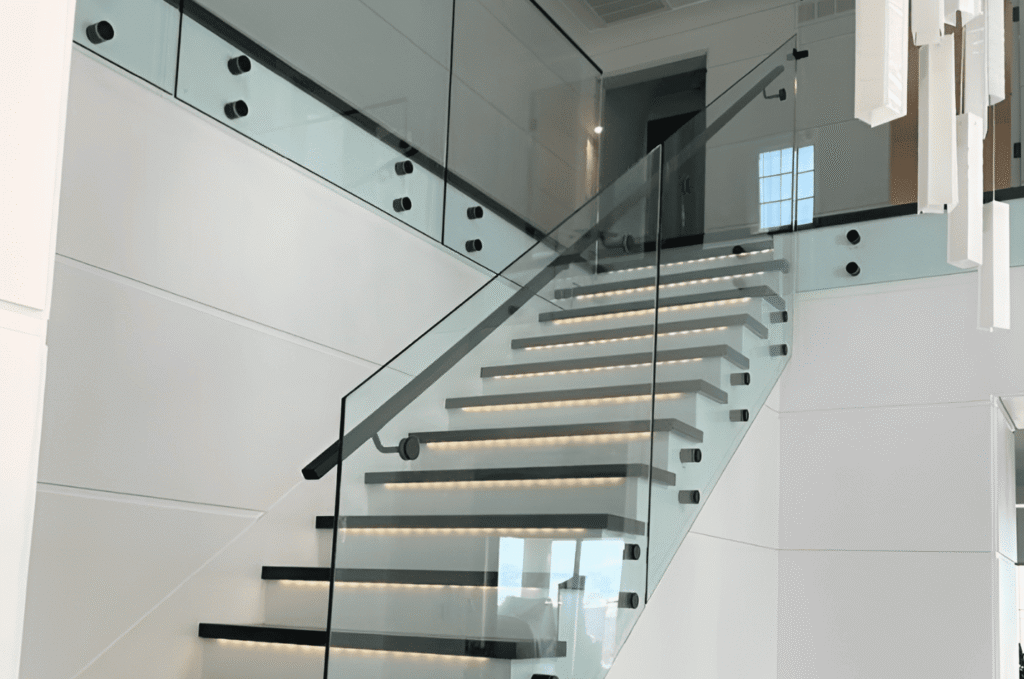
Avoiding these mistakes is what separates a railing that merely stands from a glass railing system that stays safe and looks intentional for years. When errors are already built in, a specialist can correct them at the source.
When Fixing Mistakes Requires a Pro
Cracked panels, failed anchoring, and code violations are not quick DIY fixes, since each affects how safely the railing performs. A specialist diagnoses the underlying cause and corrects it rather than covering the symptom. That protects both your safety and your investment over the long run, and it usually costs less than living with a flawed railing.
Why Homeowners Trust Glass Railing Seattle
From the first measurement to the final panel, homeowners rely on the specialists at Glass Railing Seattle to build systems that are safe, code-compliant, and clean-looking. Focusing only on glass means every panel, gasket, and fastener is chosen for the system as a whole.
Start Your Glass Railing Project
Planning a new railing and want it done right the first time? Contact our team for a professional consultation, and we’ll design a glass railing system that meets code, holds up safely, and looks exactly as clean as you pictured.