
Glass railing thickness in Seattle generally starts at a minimum nominal 1/4 inch for basic infill panels and rises to 1/2 inch or thicker laminated glass for structural, frameless systems. The exact thickness depends on the load, the span, and how the glass is supported, not just the railing style, so two similar railings can call for different glass. Getting it wrong means a design that fails engineering review or inspection. Because codes are updated over time and local amendments apply, this guide covers the general rules, but you should always confirm current requirements with the Seattle Department of Construction and Inspections. Here is how glass thickness is set, what drives it up, and how it ties into the rest of the code.
Table of Contents
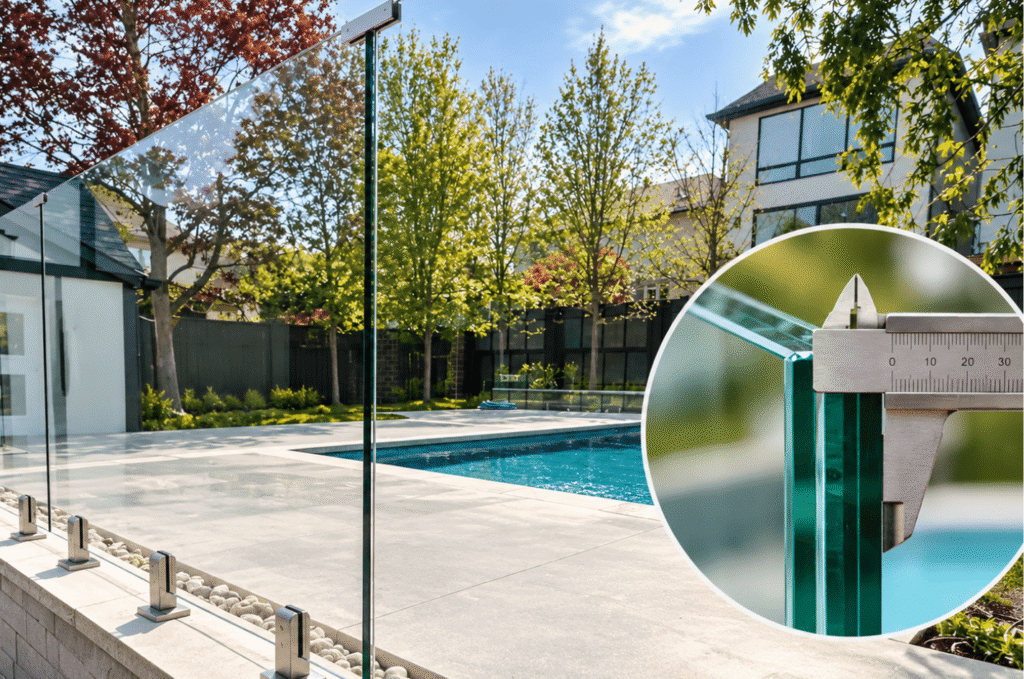
What Sets Glass Railing Thickness
Thickness is not a single fixed number; it scales with the job the glass has to do. The right glass railing thickness depends on whether a panel is simple infill or a load-bearing barrier. Here is what decides it.
Infill Versus Structural Glass
A panel held inside a frame does less work than one that stands on its own, so a framed glass deck railing can use thinner glass than a frameless run. Structural glass carries real load on its own and must be thicker to handle it safely. The glass’s role is the starting point for thickness, and it changes everything that follows in the spec.
Load, Span, and Support
Wind load, the distance a panel spans, and whether it mounts into base shoes, spigots, or posts all raise or lower the required thickness. A wider, less-supported panel needs thicker glass to resist flexing under wind and weight. These engineering factors drive the glass railing thickness code more than the look, so two identical-looking railings can need different glass.
Why Thickness Is Code-Driven
Thickness is set by safety, not preference, which is why the glass railing code requirements tie it to real loads. A panel too thin for its span can flex underfoot, bow in the wind, or fail outright under load. The code exists to keep the glass strong enough for its setting, not to standardize one number across every railing, since a sheltered patio and an exposed balcony face very different forces.
Minimum Glass Thickness Requirements
Every railing starts from a code minimum, then builds up based on the design. The minimum glass thickness for railing panels is where the rules begin. These baselines are what an inspector checks first, before looking at height and spacing.
The 1/4-Inch Infill Minimum
For standard safety glazing used as infill, the general minimum nominal thickness is 1/4 inch. Owners of decks in Bothell often see this on framed designs with a top rail. It is the floor, not the target, for most railings, and many designs end up well above it.
Structural and Frameless Thickness
A frameless system usually needs 1/2 inch or thicker glass, frequently 9/16 to 13/16 inch laminated safety glass, depending on wind and span. On an outdoor glass railing with no posts, the glass itself is the structure. Thicker glass is what makes a topless design safe, carrying load the missing posts would otherwise take.
How Thickness Scales Up
As span grows and support drops away, the required thickness climbs, which our Seattle glass railing code guide puts in context. A short framed panel and a tall frameless one sit at opposite ends of the thickness range, even on the same property. Matching thickness to the design is the whole point, since an under-thick panel flexes and an over-thick one wastes cost.
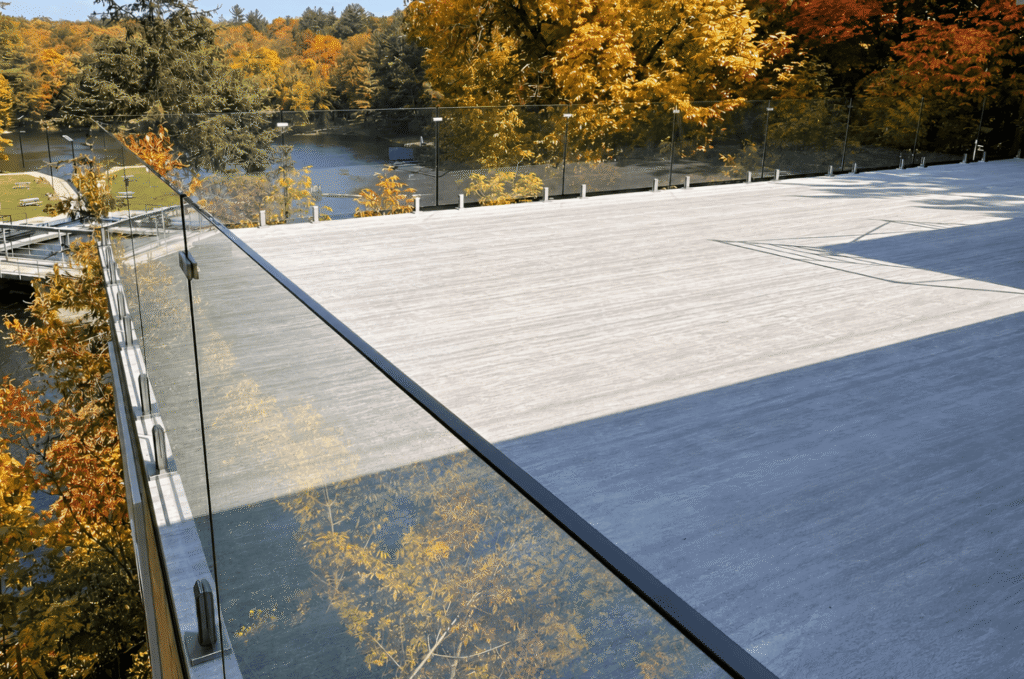
Tempered Versus Laminated Glass Thickness
The glass type shapes how thickness is specified. Both tempered glass railing thickness and laminated builds meet code, but they get there differently. The right one depends on where the panel sits.
Tempered Glass Thickness
Fully tempered glass is strong for its thickness, so a tempered panel can meet code at a lower nominal thickness in the right setting. It is common on framed or lower-risk railings, as our glass railing safety guide explains. Tempering adds strength without adding bulk, which is why it is so common on framed railings.
Laminated Glass Thickness
A laminated glass railing thickness is measured as a stack of bonded plies with an interlayer, which adds both strength and post-breakage retention. Homeowners with balconies in Maple Valley at height often need this build. The layered makeup is what raises the effective thickness and keeps a broken panel in its frame.
Laminated-Tempered Combinations
Many frameless systems use laminated-tempered glass, pairing tempered strength with laminated retention in one thicker panel. This combination suits exposed, elevated, or topless designs where both strength and a retained panel are essential. It meets both the thickness and the safety rules at once, which is why code often points to it for elevated or frameless runs where a fall is possible.
Thickness, Height, and Code Compliance
Thickness is one rule among several that a railing must meet together. The glass guardrail thickness works alongside height and spacing standards. All of them are checked at inspection.
Height and Spacing Rules
Alongside thickness, guardrails generally stand at least 36 inches for homes and 42 for commercial or multi-family spaces, with openings that block a four-inch sphere. Owners of decks around Woodinville plan these together. Thickness alone does not make a railing compliant; height, spacing, and glazing all have to pass together.
Approved Safety Glazing
Railing glass must be approved safety glazing, such as fully tempered or laminated glass meeting recognized impact standards with permanent marking, which a glass railing permit review confirms. Thickness and glazing type are specified together. An unmarked or under-thick panel will not pass, no matter how clean the installation looks.
Confirming Loads With SDCI
Because site wind loads and local amendments vary, owners of Seattle glass railings confirm the exact thickness and specs with the SDCI or an engineer. This guide is general guidance, not a substitute for official code. A quick check prevents a costly redesign.
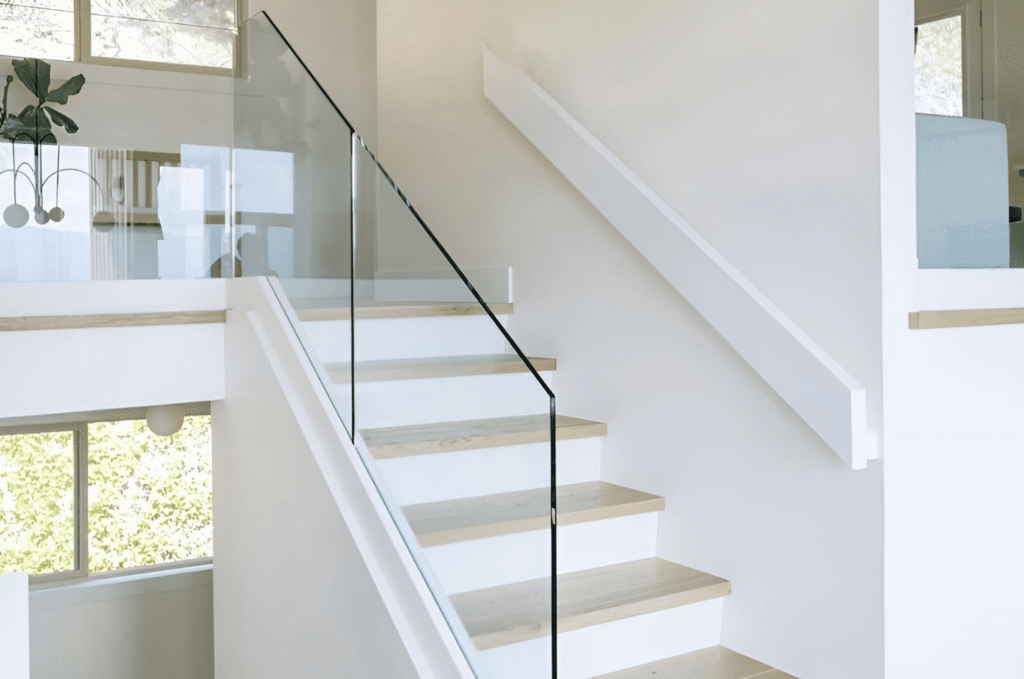
Getting Glass Railing Thickness Right
The surest way to specify the correct thickness is to work with specialists who engineer to Seattle code daily. Experience with local loads keeps a railing both safe and compliant.
Why a Professional Gets It Right
A professional sizes the glass to the load, span, and support, then coordinates any engineering and inspection. That removes the guesswork that leads to under-thick, unsafe panels. Getting the thickness right the first time avoids a failed review.
Why Homeowners Trust Glass Railing Seattle
From glass specification to final inspection, homeowners rely on the specialists at Glass Railing Seattle to size every panel correctly. Focusing only on glass means each thickness is chosen for its exact setting.
Start Your Glass Railing Project
Not sure how thick your railing glass needs to be? Contact our team for a consultation, and we’ll confirm the right glass railing thickness and handle your project to code.