
Choosing the right glass railing types for your home can feel overwhelming with so many options available. From frameless glass railing to traditional framed systems, each style offers unique advantages of glass railing that suit different applications. This comprehensive guide covers all types of railings, helping Seattle area homeowners make informed decisions for their decks, stairs, and balconies.
Understanding the differences between glass railing types ensures you select the perfect system for your specific needs, whether you’re enhancing a waterfront view in Bellevue or updating a staircase in Kirkland.
Table of Contents
Main Categories of Glass Railing Types
Glass railing types fall into three primary categories based on their frame design. Each category offers distinct visual appeal and structural characteristics that influence where and how they’re best used.
Frameless Glass Railing
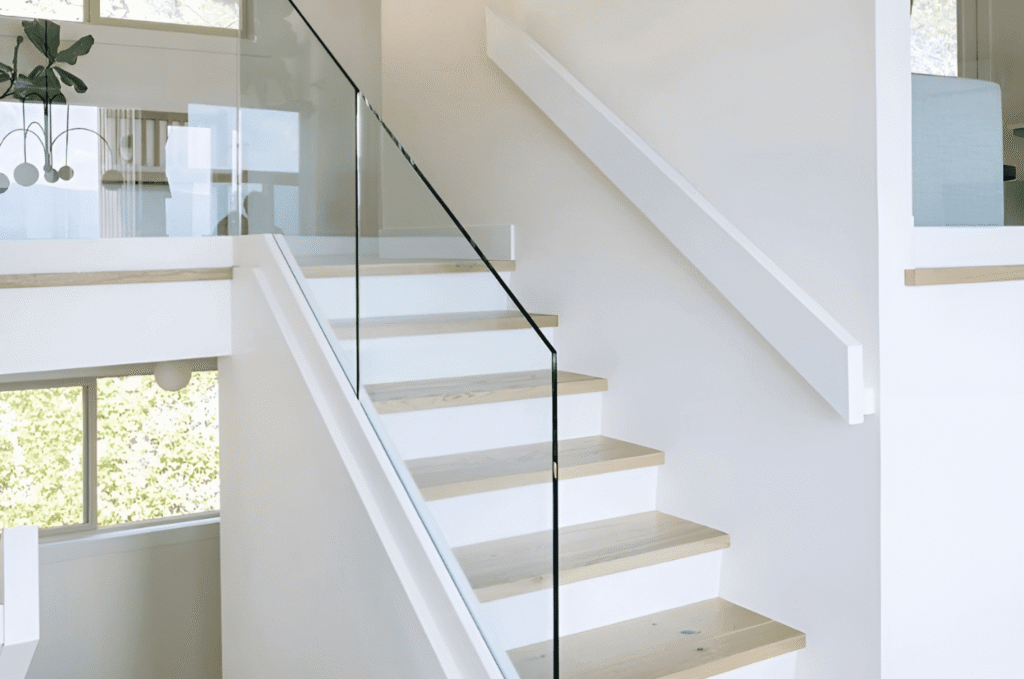
Frameless glass railing represents the pinnacle of modern design. These systems secure glass panels at the base using minimal hardware, creating nearly invisible barriers that maximize transparency. The absence of visible posts or frames delivers unobstructed views that Sammamish and Mercer Island homeowners with scenic properties particularly appreciate.
Residential glass railing systems in frameless configurations typically use thicker glass panels (12mm or greater) to ensure structural integrity without frame support. Laminated glass is often specified for frameless applications due to its superior strength and safety characteristics. While frameless options cost more than framed alternatives, their premium aesthetic and advantages of glass railing make them worthwhile investments for contemporary homes.
Framed Glass Railing
Framed glass railing types feature visible metal frames, typically aluminum or stainless steel, surrounding each glass panel. This traditional approach provides robust structural support and works well for budget-conscious projects. The frames add visual definition while maintaining the transparency that makes glass balcony railing so appealing.
Framed systems allow for thinner glass panels (typically 3/8 inch tempered) since the frame provides additional support. This reduces material costs while still delivering the safety and durability homeowners expect from quality residential glass railing systems.
Semi-Frameless Glass Railing
Semi-frameless glass railing types offer a middle ground between fully framed and frameless options. These systems include posts or rails on top and bottom but eliminate vertical stiles between panels. The result balances structural support with a cleaner, more open appearance than fully framed alternatives in Medina. This hybrid approach appeals to homeowners who want modern aesthetics without the premium cost of fully frameless installations.
Glass Railing Types by Mounting System
Beyond frame categories, glass railing types are also distinguished by their mounting hardware. Understanding these systems helps you choose the right approach for your specific application.
Glass Railing Shoe (Base Shoe Systems)
The glass railing shoe, also called a base shoe or U-channel system, secures glass panels in continuous aluminum channels mounted to the floor. Rubber gaskets cushion the glass while wedges hold panels firmly in position. This popular approach creates seamless, clean lines that complement modern architecture throughout Edmond and Woodinville homes.
Base shoe systems work exceptionally well for both indoor and outdoor applications. The continuous channel provides stable support while cladding covers the hardware for a polished finish. Many homeowners choose glass railing shoe mounting for types of glass railing for balcony installations where sleek aesthetics matter most.
Spigot Systems
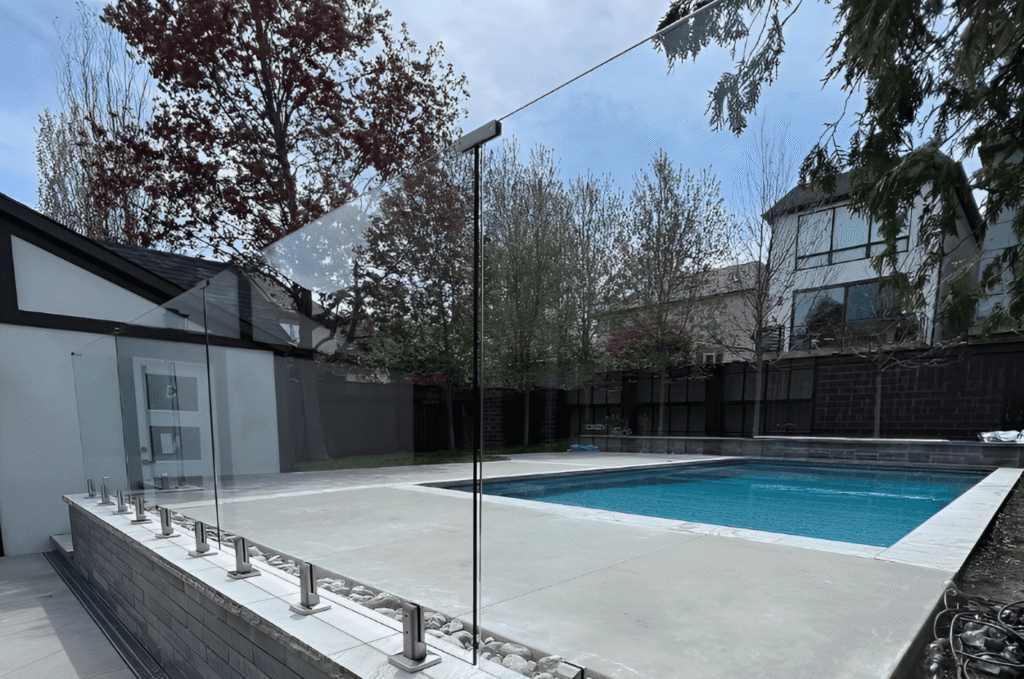
Spigot systems use individual metal clamps bolted directly to the mounting surface. These compact hardware pieces grip the bottom edge of glass panels, creating a contemporary appearance with minimal visual obstruction. Marine-grade stainless steel spigots (typically grade 2205 or 316) resist corrosion, making them ideal for outdoor glass railing types near coastal areas like Totem Lake waterfront properties. Spigots offer easy adjustment during installation for precise panel alignment.
Standoff Systems
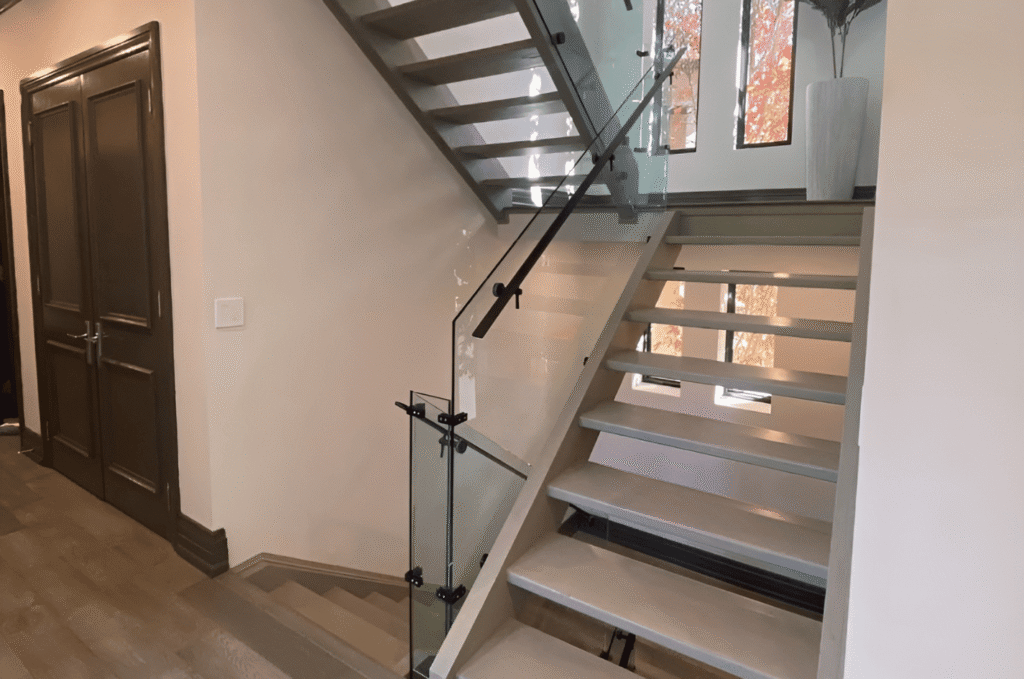
Standoff systems create a floating effect by mounting glass panels away from the surface using metal discs. Installers drill holes through the glass and attach panels using these standoffs, which fix directly to walls or fascia boards. This mounting method produces a dramatic, architectural look popular for glass railing types for stairs in contemporary homes.
Glass Railing Types for Specific Applications
Glass Railing Types for Decks
Glass railing types for decks must withstand weather exposure while preserving outdoor views. Frameless glass railing with spigot or base shoe mounting delivers unobstructed sightlines perfect for enjoying Pacific Northwest scenery. Outdoor glass railing types require corrosion-resistant hardware and proper drainage to maintain performance through Seattle’s rainy seasons. Wind protection is an added benefit that extends deck usability throughout the year.
Glass Railing Types for Stairs
Glass railing types for stairs transform ordinary staircases into architectural features. Standoff systems create floating effects that showcase staircase design, while base shoe mounting provides seamless lines along stair stringers. Custom-cut panels accommodate stair angles, ensuring proper fit and code compliance for both indoor and outdoor applications in Houghton.
Types of Glass Railing for Balcony
Types of glass railing for balcony applications prioritize transparency to maximize views from elevated spaces. Frameless glass railing allows uninterrupted sightlines while providing wind protection that makes glass balcony railing more comfortable to enjoy year-round. Newcastle and Maple Valley homeowners often choose these systems for second-story balconies overlooking gardens or distant landscapes. Code requirements typically specify 42-inch minimum heights for balcony installations.
Glass Options for Different Railing Types
The glass itself varies across different glass railing types. Clear tempered glass offers maximum transparency, while tinted options in bronze, grey, or blue add subtle color. Frosted or etched glass provides privacy for ground-level applications. Low-iron glass eliminates the green tint found in standard glass, delivering crystal-clear views for premium residential glass railing systems in Woodinville.
Advantages and Disadvantages of Glass Railings
Understanding both advantages of glass railing and potential disadvantages of glass railings helps you make balanced decisions. The advantages of glass railing include unobstructed views, modern aesthetics, durability, and low maintenance. Glass panels resist rot, rust, and insect damage while requiring only simple cleaning to maintain their appearance.
Potential disadvantages of glass railings include higher initial costs compared to traditional materials and visibility of fingerprints or water spots. However, these minor drawbacks are easily managed with regular cleaning and typically outweighed by the long-term benefits that residential glass railing systems provide.
Choosing the Right Glass Railing Type
Selecting among glass railing types depends on your budget, design preferences, and application requirements. Frameless glass railing delivers maximum visual impact for premium projects, while framed systems offer excellent value for budget-conscious homeowners. Consider outdoor glass railing types with weather-resistant hardware for deck and balcony applications. Indoor installations may prioritize aesthetics over weather resistance.
Contact Glass Railing Seattle today, explore all glass railing types available for your project.