
Whether you should choose an indoor or outdoor glass railing comes down to one thing: where it will live and what it has to survive. An outdoor glass railing has to stand up to rain, wind, and constant damp, while an indoor railing focuses on style, light, and clean sightlines. That single difference shapes the glass, the hardware, and how each system is installed.
Both use the same tempered safety glass, and both open up a space. Still, the materials and long-term care differ in ways that matter for your budget. Below, we compare indoor vs outdoor glass railing side by side so you can pick the system that fits your home, your climate, and your view.
Table of Contents
What’s the Difference Between Indoor and Outdoor Glass Railing?
The biggest difference is the environment each railing has to handle. An outdoor glass railing fights weather and corrosion, while an indoor glass railing lives in a controlled, dry space. That single factor shapes the glass, the hardware, and how each system is built to last.
Where Each One Lives
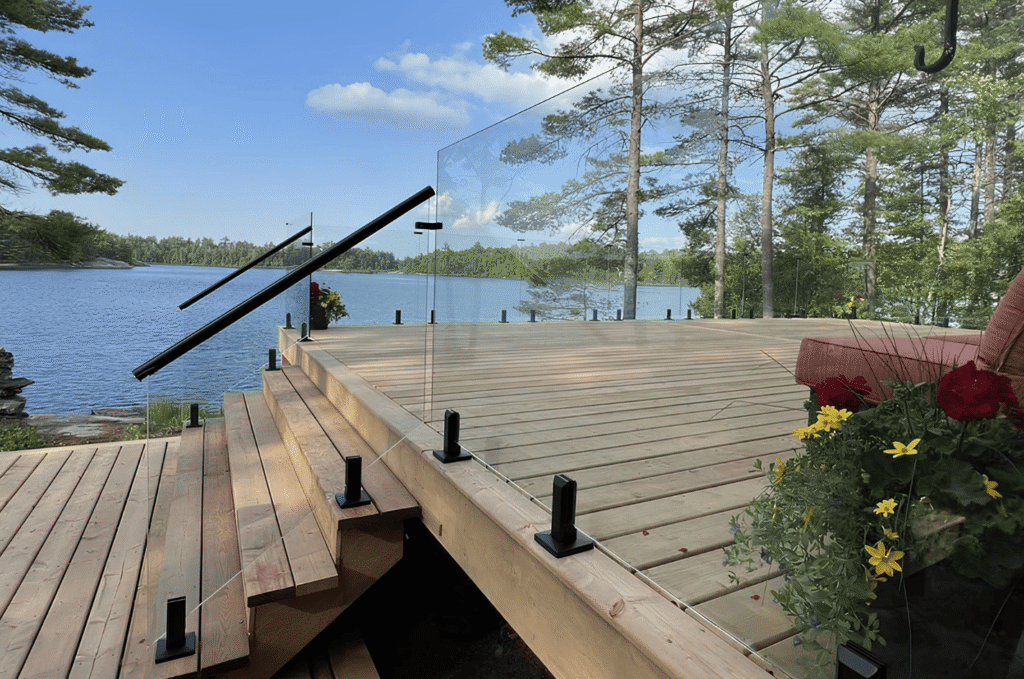
An outdoor glass railing usually guards decks, balconies, patios, and rooftop terraces that face the elements head-on. Homeowners exploring Seattle glass railings often start outdoors, where a clear panel protects a view without blocking it.
Indoor railings, by contrast, line staircases, lofts, and mezzanines inside the home.
How the Setting Changes the Build
Outdoor systems need rust-proof fittings and drainage because water never really stops in the Pacific Northwest. If you want the full picture before deciding, this guide on glass railing basics covers what Seattle homeowners should know.
Indoor systems can use lighter hardware since they never face rain, snow, or salt air.
Materials and Safety: Tempered Glass Railing Basics
Both indoor and outdoor railings rely on the same core material, but a tempered glass railing behaves a little differently depending on where it sits. Panel thickness, glass type, and hardware finish all shape safety and lifespan. It pays to understand these basics before you buy.
Why Tempered Glass Is the Standard
Tempered glass is heat-treated to be far stronger than regular glass, and it breaks into blunt pieces instead of sharp shards. That safety margin matters most on elevated drops, which is why Mercer Island railings on waterfront decks lean on thick tempered panels.
Indoors, the same glass keeps stair guards safe for kids and pets.
Hardware That Handles the Weather
For an outdoor glass railing, stainless steel and powder-coated aluminum are the standard because cheap fittings corrode fast in the damp. An exterior glass railing Seattle project also needs a drained base channel so water never pools around the mounts.
Indoor hardware can be more decorative since it never fights the weather.
Glass Options for Every Space
Clear, frosted, tinted, and low-iron glass all change the look of a railing without changing its strength. Many Sammamish glass railings homeowners pick low-iron panels for a cleaner, less-green finish.
Frosted glass adds privacy indoors, while clear glass keeps outdoor views wide open.
Choosing an Outdoor Glass Railing for Seattle Homes
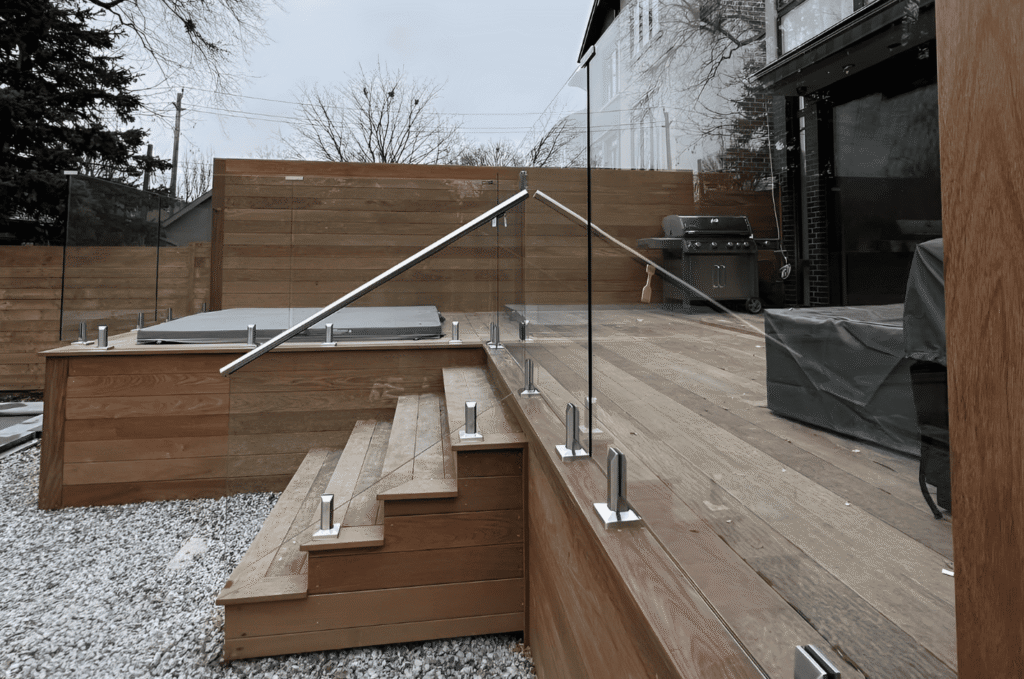
An outdoor glass railing has to earn its place through years of rain, wind, and temperature swings. Location and climate shape every choice, from glass thickness to fastener material. In the Pacific Northwest, that planning matters more than most homeowners expect.
Weather, Rain, and Corrosion
The region’s wet-dry cycles are hard on seals and fasteners, so material choice is everything for an outdoor glass railing. Marine-grade hardware and proper drainage keep the system stable and rust-free for the long haul.
Panels near tree cover also need easy cleaning to handle sap, pollen, and moss.
Views, Decks, and Patios
Outdoor glass shines on view-facing decks, where a frameless look keeps sightlines wide and open. Before adding panels to a raised deck, confirm your deck’s structural strength can carry the added glass and hardware weight.
Patios and balconies benefit too, framing the view while keeping the space feeling open.
When an Indoor Glass Railing Makes Sense
An indoor glass railing is less about weather and more about light, space, and style. Inside the home, glass opens up staircases and landings that solid rails would close off. For many residential glass railing projects, the indoor choice is purely about the look.
Stairs, Lofts, and Landings
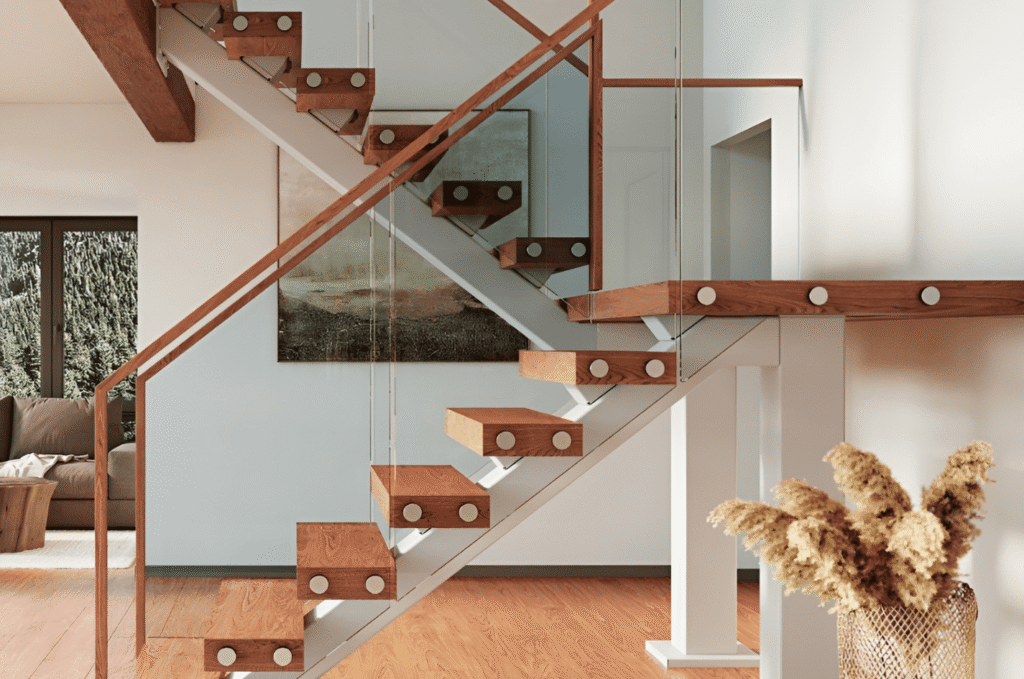
An indoor glass railing works beautifully on staircases, loft edges, and open landings that need a safe guard without a visual wall. Choosing an indoor glass railing keeps upper floors bright and connected to the rooms below.
Interior glass railing Seattle homeowners often use it to make compact spaces feel larger.
Style and Natural Light
Glass lets daylight travel between floors, which makes a home feel more open and modern. Homeowners on Bothell glass railings projects often pair frosted panels with wood stairs for warmth and privacy.
Because indoor glass never faces rain, the finish options are wider and often more decorative.
Cost, Installation, and Getting It Right
Price and installation quality decide how well any railing performs over time. An outdoor glass railing often costs a little more than an indoor run because it needs weather-rated hardware. Both, though, reward careful planning and skilled work.
What Affects the Price
Length, glass type, mounting style, and site access all shape the final glass railing installation cost. To avoid surprises, start with an accurate railing quote that spells out glass, hardware, and labor up front.
An outdoor glass railing with premium corrosion-resistant fittings usually sits at the higher end.
Built by Glass Railing Specialists
A railing lasts longest when one dedicated team designs, fabricates, and installs it as a single system. The specialists at Glass Railing Seattle focus only on glass, which means cleaner lines, safer mounts, and finishes built for the Northwest.
That single focus is the difference between a railing that just works and one that elevates your whole home.
Start Your Glass Railing Project
Still weighing an indoor vs outdoor glass railing for your own home? Reach out through our contact our team page for a free consultation, and we will help you match the right glass, hardware, and layout to your space.