
A tempered glass railing panel is heat-treated safety glass, engineered to be far stronger than ordinary glass and to break safely if it ever fails. That single property is why a tempered glass railing has become the standard for decks, stairs, and balconies in modern homes. For homeowners, the details behind the panel, its thickness, its glass type, and how it compares to other options, decide how safe and durable the finished railing will be.
This guide walks through what a tempered glass railing panel really is, how it stacks up against laminated glass, and how to choose the right panels for your space. Get these basics right and your railing stays safe, clear, and beautiful for years.
Table of Contents
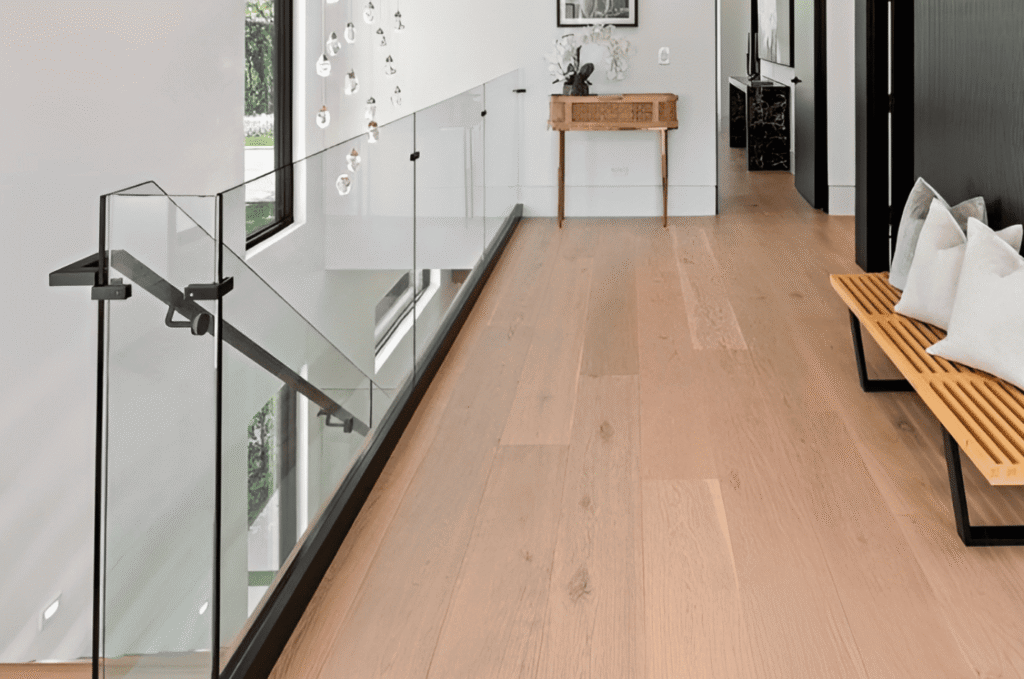
What Is a Tempered Glass Railing Panel?
A tempered glass railing panel starts as regular glass, then goes through a controlled heating and rapid-cooling process. That treatment locks the surface under tension and makes the panel dramatically tougher. Understanding this helps explain why tempered panels dominate residential railing projects.
How Tempering Works
During tempering, glass is heated and then cooled fast with jets of air, which strengthens it four to five times over standard glass. If you want a wider overview first, this guide on glass railing basics covers what homeowners should know before buying.
The result is a panel that resists impact, heat, and everyday knocks far better than annealed glass.
Why It Counts as Safety Glass
The biggest advantage is how it breaks: instead of sharp shards, a tempered glass railing shatters into small, blunt pieces that are far less likely to cause injury. That is exactly why glass railing safety codes favor it on elevated drops, something Issaquah glass railings projects rely on for raised decks.
For families with kids and pets, that safe-break behavior is a major reason to choose tempered.
Tempered vs Laminated Glass Railing: Which to Pick?
Homeowners often ask about tempered vs laminated glass railing options, since both count as safety glass. They behave differently when broken, though, and each suits certain settings better. Knowing the difference helps you match the panel to the risk.
How Tempered Panels Behave
A tempered glass railing panel breaks into small granular pieces and falls away, clearing the opening entirely. This is fine where a clean break is acceptable, and it keeps costs lower for most Newcastle glass railings installations.
Because it is a single treated layer, tempered glass is also lighter and easier to handle.
How Laminated Panels Behave
Laminated glass bonds two panes around a plastic interlayer, so if it breaks, the fragments stick to the film and the panel stays in place. That makes it the safer pick for very high balconies or spots where a falling panel would be dangerous.
The trade-off is a higher price and a slightly thicker, heavier panel.
Which One Homeowners Choose
For most decks and stairs, a tempered glass railing offers the right balance of safety, clarity, and price. Many Woodinville glass railings homeowners choose tempered for standard-height guards and reserve laminated for tall or overhanging drops.
Your installer can confirm which one your local code requires for a given height.
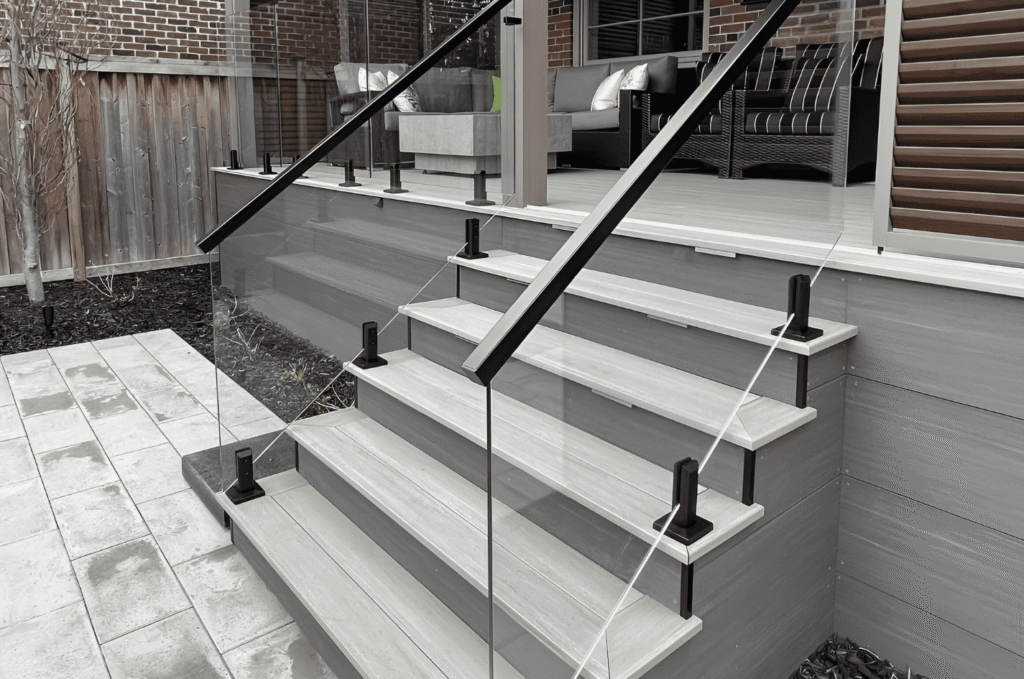
Frameless and Outdoor Panel Applications
Tempered panels adapt to almost any railing style, from sleek frameless designs to sturdy outdoor systems. Where the panel goes shapes its thickness, hardware, and finish. These applications show how versatile a tempered glass railing can be.
Frameless Tempered Panels
A frameless glass railing relies entirely on thick tempered panels set into a base channel or spigots, with no top rail to interrupt the view. This look works indoors and out, and our guide on indoor vs outdoor railings explains where each setting shines.
Because there is no frame, panel thickness and edge polishing matter even more here.
Outdoor and Deck Use
An outdoor glass railing built from tempered panels has to handle rain, wind, and constant damp without losing strength. Corrosion-resistant hardware and drained channels keep the system stable through wet Pacific Northwest seasons.
Tempered glass holds up well outdoors because its strength does not fade with weather exposure.
Decks and Structural Support
Before adding tempered panels to a raised deck, the structure underneath has to carry the extra glass and hardware weight. It is worth confirming your deck’s structural strength before installation to avoid sag or movement later.
A solid frame keeps panels level and mounts tight for the life of the railing.
Choosing the Right Panels for Your Home
Picking tempered glass railing panels comes down to thickness, size, and finish, all matched to where they will sit. The right combination balances safety, looks, and budget. A little planning here prevents costly changes later.
Thickness and Panel Size
Most residential railings use thick tempered glass, though taller or frameless spans may need heavier panels. A trusted residential glass railings provider will size each panel to the run, the height, and the local code.
Wider panels mean fewer posts and a cleaner look, but they also demand stronger glass.
Glass Finishes and Options
Clear, frosted, tinted, and low-iron glass each change the look without weakening the panel. Many Edmonds glass railings homeowners choose low-iron glass for a crisp, less-green finish that keeps views true.
Frosted panels add privacy on balconies, while clear glass keeps outdoor sightlines wide open.
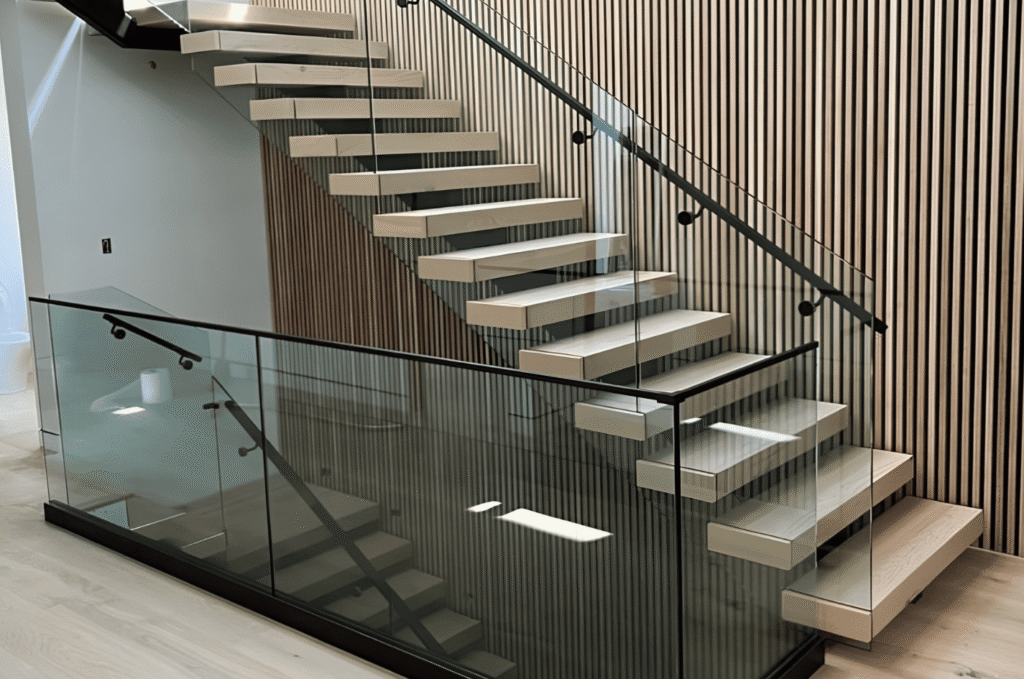
Cost, Care, and Getting It Right
Price and upkeep round out what homeowners should know before buying tempered panels. A tempered glass railing costs a little more than metal or wood, but it lasts and needs very little maintenance. Planning for both keeps your investment worthwhile.
What Affects the Price
Panel thickness, glass type, hardware finish, and total length all shape the final cost. Frameless and laminated upgrades raise the price, while standard tempered panels keep it reasonable.
Routine care is simple: a wipe with glass cleaner keeps panels clear and bright.
Built by Glass Railing Specialists
A tempered glass railing performs best when one dedicated team measures, fabricates, and installs it as a single system. The specialists at Glass Railing Seattle work only with glass, which means precise panels, safe mounts, and finishes built for the local climate.
That focus is the difference between a railing that merely works and one that lasts for decades.
Talk to Our Team
Ready to choose the right tempered glass railing panels for your home? Reach out through our contact our team page for a free consultation, and we will help you match glass, thickness, and hardware to your space.